CultureFebruary 18, 2025
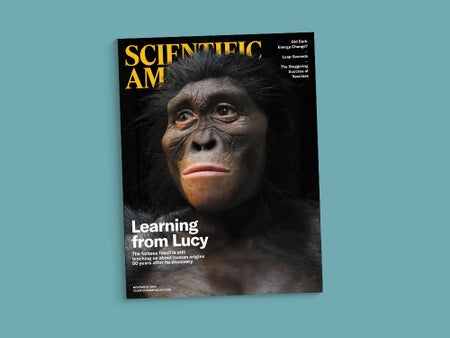
Readers Respond to the November 2024 Issue
Letters to the editors for the November 2024 issue of Scientific American
Readers Respond to the November 2024 Issue
Letters to the editors for the November 2024 issue of Scientific American
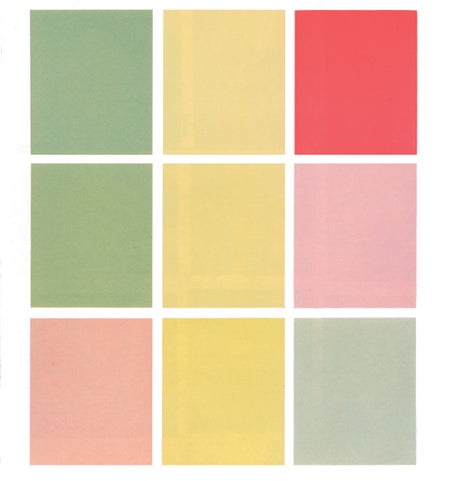
March 2025: Science History from 50, 100 and 150 Years Ago
Color blindness; the end of fire

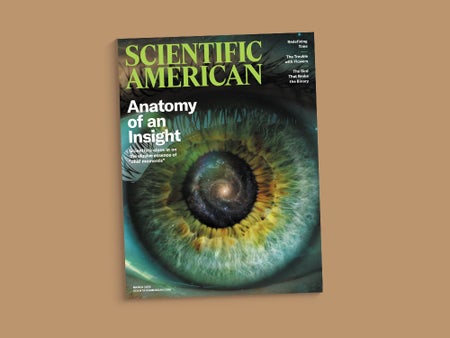
A Fascinating Sparrow, Aha! Moments and Local Flowers
Astronomers search for missing planets, a salty food movement takes hold, and it may be time to redefine the second
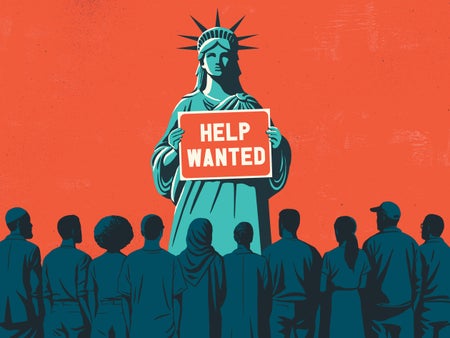
Immigration Fuels Innovation in Science to Make the U.S. More Competitive
The U.S. will need more than one million STEM workers in the next 10 years to stay competitive. Immigrants are critical to that future
Poem: ‘(origins, positrons)’
Science in meter and verse
Love Isn’t Just about Romance. Here’s How Nonromantic Bonds Shape Our Lives
Valentine’s Day often focuses on romance, but deep friendships deserve love, too. Here’s why they matter.

Men Actually Crave Romantic Relationships More Than Women Do
A multiple-study analysis looks at why men’s emotional intimacy is much more difficult outside of romantic relationships

Return-to-Office Demands Don’t Benefit Employees or Businesses
Donald Trump has joined big firms in demanding workers end remote work. But the evidence suggests that hurts both workers and the work
Avoiding Outrage Fatigue while Staying Informed
Outrage fatigue can wear us down—but we can take care of ourselves in an onslaught of overwhelming news.
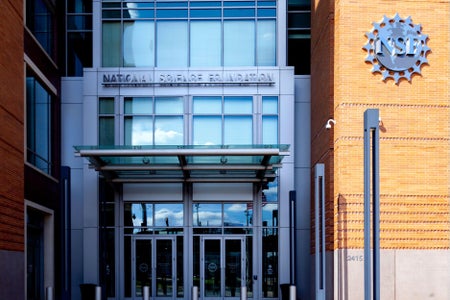
Inside the NSF’s Effort to Scour Research Grants for Violations of Trump’s Orders
The U.S. National Science Foundation has unfrozen grant funding, but it continues to scrutinize research projects, sowing turmoil

The Link between Cannabis and Psychosis in Teens Is Real
Teens have access to vastly more potent cannabis than their parents had at their age. Parents need to understand the risks, including psychosis
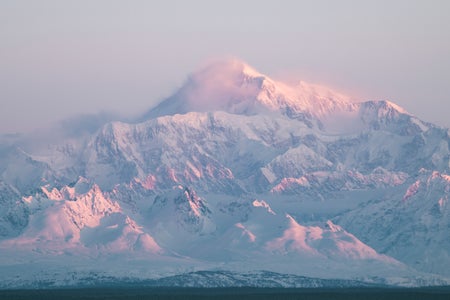
Can Trump Just Order New Names for Denali and the Gulf of Mexico?
A geographer explains how maps’ place names, such as the Gulf of Mexico and Denali, are decided