
CultureAugust 20, 2024
Contributors to Scientific American’s September 2024 Issue
Writers, artists, photographers and researchers share the stories behind the stories
Contributors to Scientific American’s September 2024 Issue
Writers, artists, photographers and researchers share the stories behind the stories
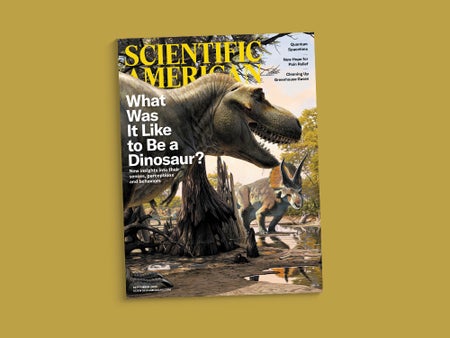
New Insights on Dinosaurs, Pain and Carbon Capture
How we’ll learn more about dark matter, quantum gravity and substitutes for lab animals

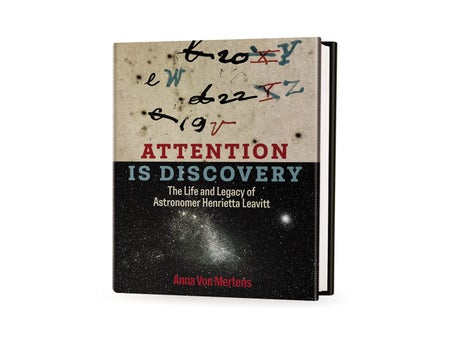
Review: How a Group of Women Launched Modern Cosmology
A new biography of astronomer Henrietta Leavitt celebrates meaning making in science

Voting Is Just the Beginning
Your vote matters. But so does your involvement in civic actions

Review: Tiny Robots Render People Immortal but Destroy What Makes Us Human
A sweeping novel about a war-torn future explores personhood and identity

Readers Respond to the April 2024 Issue
Letters to the editors for the April 2024 issue of Scientific American
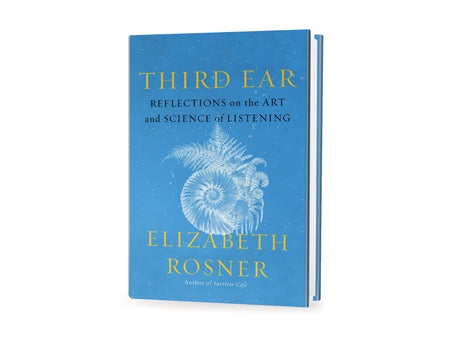
Review: The Science of Listening Goes Far Beyond the Ears
A new book about the art and science of listening explores our sonic universe

Science Improves When People Realize They Were Wrong
Science means being able to change your mind in light of new evidence
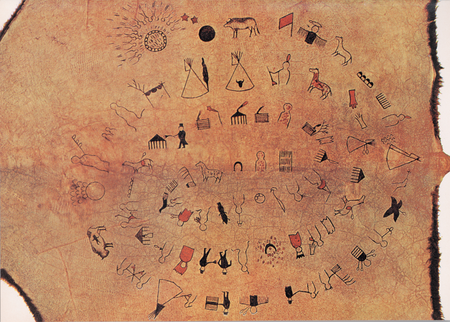
September 2024: Science History from 50, 100 and 150 Years Ago
Mysterious Mercury; spiders predict the weather

Review: The Secrets of Creatures That Thrive in the Dark
In Night Magic, darkness is revered, and its secrets are revealed

Trump’s ‘Gish Gallop’ Debate Tactic Comes from Creationists
A dishonest creationist debating tactic shouldn’t go unchallenged in American life. Or in national politics

Stonehenge’s Strangest Rock Came from 500 Miles Away
A new analysis of Stonehenge’s “Altar Stone” suggests Neolithic people walked or sailed some 500 miles to transport the six-ton boulder