EducationDecember 1, 2023
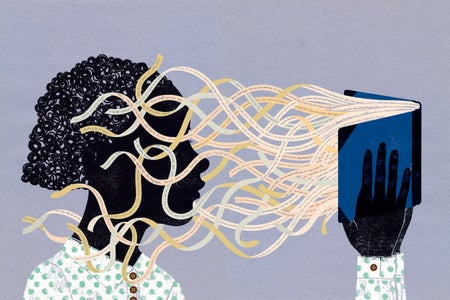
Too Many Schools Are Misdiagnosing Dyslexia
Changing how dyslexia is diagnosed could help many more children learn to read
Too Many Schools Are Misdiagnosing Dyslexia
Changing how dyslexia is diagnosed could help many more children learn to read

Are Children’s Books Improving Representation?
Racial and gender disparities persist in award-winning kids’ literature despite recent gains in representation

Understanding Consciousness Is Key to Unlocking Secrets of the Universe
The quest to understand our physical universe may depend on investigating our own mind

Scientists Sequence DNA from a 3,000-Year-Old Brick
A chunk of a Mesopotamian palace revealed genes from dozens of ancient plants
Poem: ‘In Conversation with Elizabeth Fulhame’
Science in meter and verse
December 2023: Science History from 50, 100 and 150 Years Ago
Black hole sun; the deepest mine
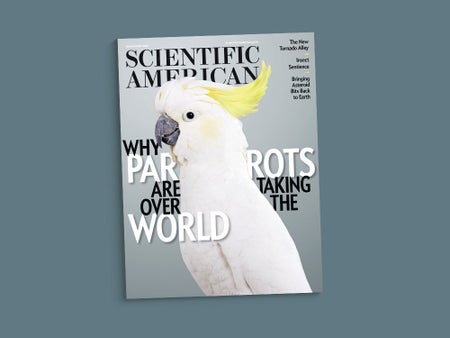
Readers Respond to the July/August 2023 Issue
Letters to the editors for the July/August 2023 issue of Scientific American

How the War in Gaza Has Devastated Hospitals
The Israel-Hamas war has disrupted hospitals’ access to electricity, fuel and medicine. A physician from Doctors Without Borders/Médecins Sans Frontières explains why health care is so vulnerable during war

Experts Doubt Claims that World’s Oldest Pyramid Was Discovered in Indonesia
Massive buried structures at Gunung Padang in Indonesia have been described as much older than Egypt’s great pyramids in a new study, but some doubt they’re even human constructions

Firearm Forensics Has Proven Reliable in the Courtroom. And in the Lab
Despite criticism, a slate of new scientific studies show that forensic firearms analysis is a reliable scientific discipline that the criminal justice system should trust

The Science to Be Grateful for This Year
A year of exciting ideas and research has given us much to be grateful for

ChatGPT Replicates Gender Bias in Recommendation Letters
A new study has found that the use of AI tools such as ChatGPT in the workplace entrenches biased language based on gender