EthicsOctober 4, 2023
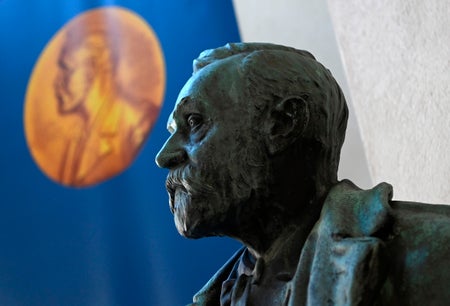
Nobel Prizes Are Taking Longer to Award Groundbreaking Research
Nobel laureates sometimes wait 20 years or more after making their award-worthy discovery to receive the prize
Nobel Prizes Are Taking Longer to Award Groundbreaking Research
Nobel laureates sometimes wait 20 years or more after making their award-worthy discovery to receive the prize

How AI Could Help China and Russia Meddle in U.S. Elections
ChatGPT and similar AI programs give propagandists and intelligence agents a powerful new tool for interfering in politics. The clock is ticking on learning to spot this disinformation before the 2024 election

It’s Time to Hear from Social Scientists about UFOs
Whether or not UFOs exist, we need to pay attention to how they are influencing our politics and culture
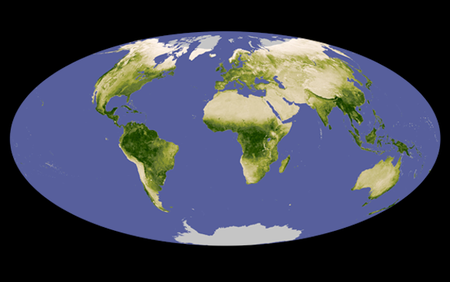
Science News Briefs from around the World: October 2023
Mammals munching on dinosaurs in China, Greenland’s melted past, coral catastrophe in Florida, and much more in this month’s Quick Hits
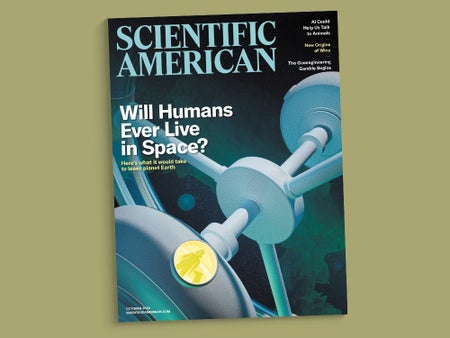
Introducing Scientific American’s Redesign, Newsletter and Podcasts
Geoengineering is happening, AI wants to talk with animals, and why we aren’t going to live in space

History: October 2023
Earth as a zoo; sunburned eyes
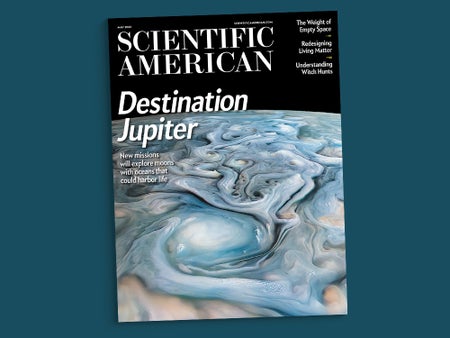
Readers Respond to the May 2023 Issue
Letters to the editors for the May 2023 issue of Scientific American
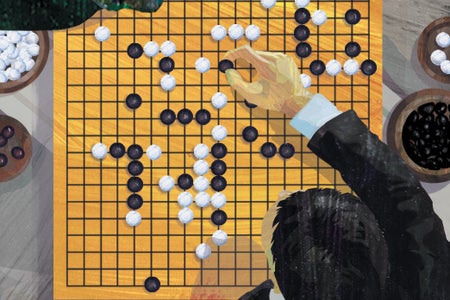
A Fictional Psychological Thriller about the Rise of AI
Why we’re seduced by nature’s toxins, horror stories for winter solstice, and more books out this month
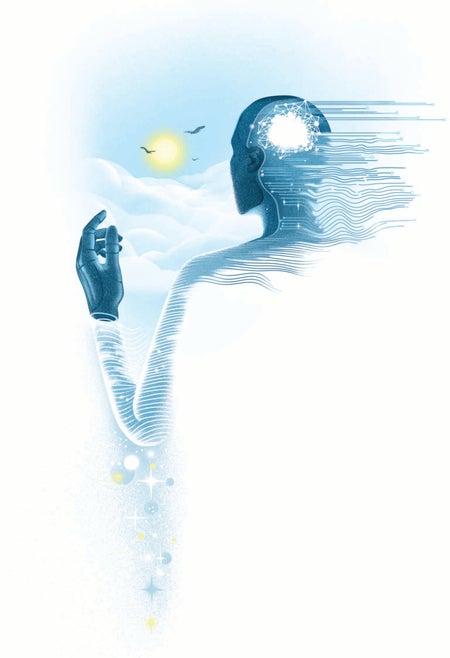
Poem: ‘Message to My Beloved Sibling’
Science in meter and verse

Wine’s True Origins Are Finally Revealed
A broad genetic study has revised the prevailing narrative about how wine grapes spread around the world

Government Shutdown Looms over Scientists
A government shutdown would disrupt biomedical research and clinical trials as federal experimental facilities shuttered

How Family Trauma Perpetuates Authoritarian Societies
Pioneering scholar Riane Eisler describes her lifelong quest to understand why warlike societies are the norm