
EngineeringApril 14, 2026
How a lost 1812 wristwatch sparked a 200-year race in precision engineering
Modern luxury watches can be traced back to one of Napoleon Bonaparte’s younger sisters
How a lost 1812 wristwatch sparked a 200-year race in precision engineering
Modern luxury watches can be traced back to one of Napoleon Bonaparte’s younger sisters

Are expensive binoculars really worth it?
Binoculars and other far-range optics span a gamut of price points. Here’s what separates top-tier from entry-level


DARPA’s AI is built to call BS on wild weapons claims
The SciFy program tests whether adversaries’ most outlandish scientific claims add up or fall apart
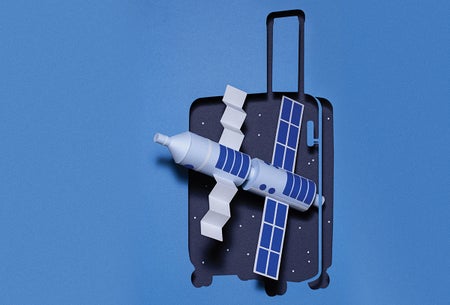
Space hotels are coming soon
With the rise of private orbital habitats, vacations in space are becoming a real possibility for the ultrawealthy

How DNA forensics is transforming studies of ancient manuscripts
Scientists are exposing the biological information hidden in ancient parchments without leaving a mark
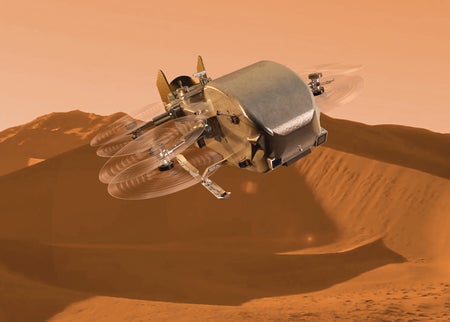
NASA’s Dragonfly will explore the air, land and seas of Titan, Saturn’s most mysterious moon
NASA plans to launch a wildly ambitious nuclear-powered octocopter to Saturn’s largest moon, Titan, in 2028
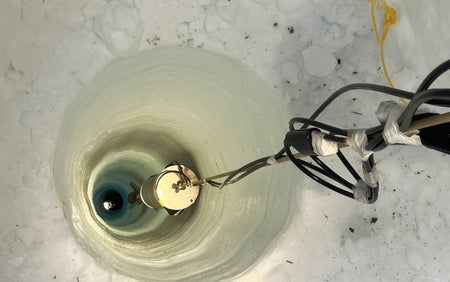
The world’s deepest sensors will detect earthquakes around the world from far below Antarctica
Here’s how scientists drilled 8,000 feet through ice to place the world’s deepest seismometers

Is the ‘Ghost Murmur’ quantum device possible? Scientists are skeptical
Ghost Murmur was described as a futuristic CIA tool that could detect a heartbeat from vast distances. Physicists say the public story clashes with the basic limits of magnetic sensing
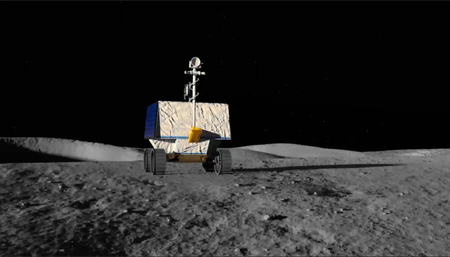
Is this the year the U.S. finally lands a robotic rover on the moon?
A hidden milestone lurks in the U.S.’s Artemis-focused lunar ambitions—the nation’s first-ever successful robotic moon rover

Do robots have a race problem? Not all scholars agree
As humanoid robots enter the real world, new studies suggest that people project human racial biases onto them—but the research is divided on whether those biases persist outside the lab and in real-world interactions

Bypass the Strait of Hormuz with nuclear explosives? The U.S. studied that option in the 1960s
Newt Gingrich raised eyebrows with a social media post about using nuclear bombs to cut a new channel in the Strait of Hormuz. There’s history there
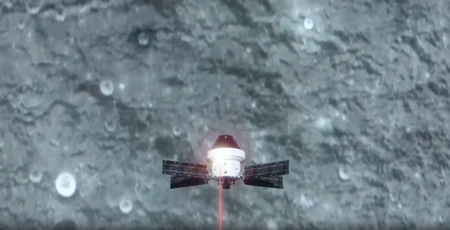
How Artemis II is beaming back stunning video from the moon
A new laser system aboard NASA’s Orion spacecraft is sending sharper video and more data back to Earth