Hand Transplants Demonstrate the Nervous System’s Amazing Adaptability
A radical procedure restores touch and grasping in former amputees

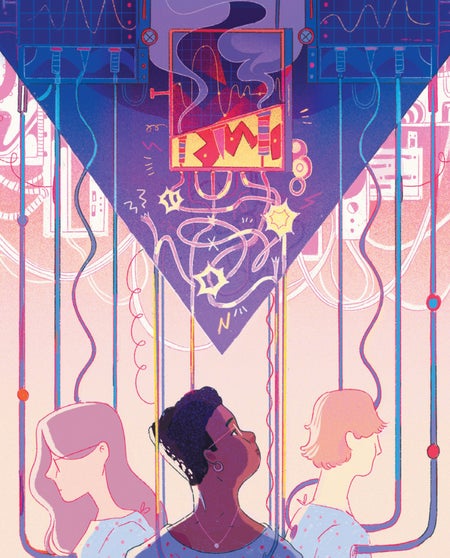
Hand Transplants Demonstrate the Nervous System’s Amazing Adaptability
A radical procedure restores touch and grasping in former amputees

DNA Finds Pollutants in Green-Glowing Water Test
Bacteria inspire a new pollution-monitoring setup


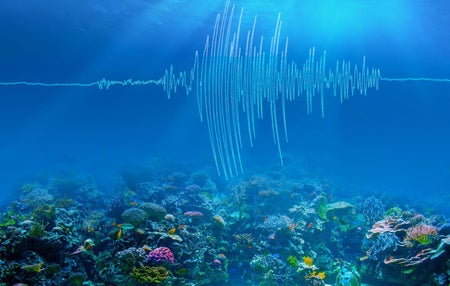
Undersea Earthquakes Reveal Sound Warming Info
Travel time differences for sound waves produced by undersea earthquakes in the same place at different times can provide details about ocean warming.
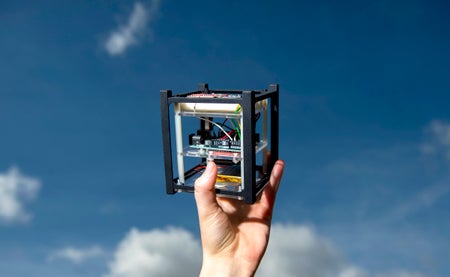
Noah’s Spaceship
A craft built to save Earth’s biodiversity from a planetary crisis would be far tinier—but vastly more far-reaching—than the biblical Ark
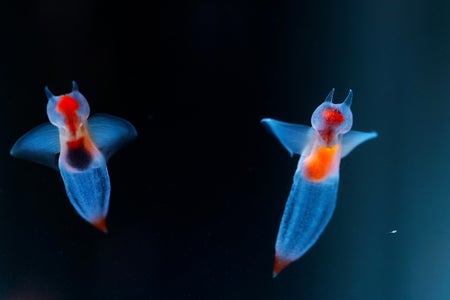
Sea Angels and Sea Butterflies Reveal Climate Change Consequences
The delicate marine animals known as sea angels are facing unprecedented change because of global warming
What We’re Thankful for at Scientific American
From our virtual Thanksgiving table to yours
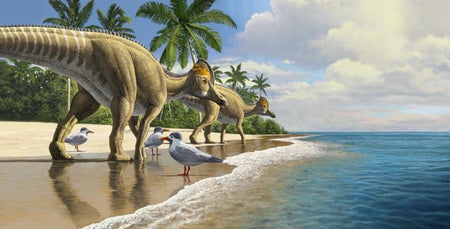
Duckbill Dino Odyssey Ended in Africa
A duckbill dinosaur jawbone found in Morocco means that dinosaurs crossed a large body of water to reach Africa.
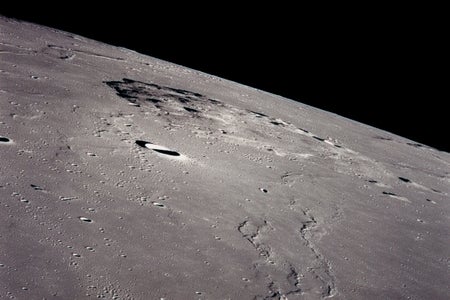
China’s Chang’e-5 Mission Launches to Collect Lunar Samples
After a 44-year hiatus, humans are on the verge of returning fresh material from the moon

The Scientific Benefits of Social Distancing
Avoiding too much direct contact with colleagues can lead to more independent thinking

Bumblebees’ Self-Image Gets Them through Tight Spots
Sridhar Ravi was outdoors with his colleagues on a summer day in Germany when a group of bumblebees grabbed his attention.
As the bees made their way from flower to flower, they skillfully flew between obstacles, dodging branches and shrubs. These actions seemed to require a complex awareness of one's physical body in relation to one’s environment that had only been proven to exist in animals with large brains.
To examine this, a team of researchers at Australia’s University of New South Wales, Canberra, led by Ravi, set up a hive of bumblebees inside their laboratory. The bees could come and go via a tunnel, which could be partially blocked with an adjustable barrier. Ravi and his team made the gap progressively smaller over time, and observed how the bees’ reactions changed.
The study, published in the Proceedings of the National Academy of Sciences, found the bumblebees measured the gap by flying side-to-side to scan it. When the gap became narrower than their wingspan, the bees took a longer time to scan the opening. And then they did something remarkable: they turned their bodies to fly through sideways. Some of the bees’ bodies did bump the sides of the narrowed opening—but every one of the 400 recorded flights through the gap was a success.
“Over thousands of years nature has coded insects with some amazing attributes,” Ravi says. “Our challenge now is to see how we can take this and apply similar coding to future robotic systems, enhancing their performance in the natural world.”

Distrust Authorities, Including Me
The presidential election and pandemic have highlighted the fallibility of experts, but that doesn’t mean we should dismiss them all

If It Smells like Dirt, Fire Ants Are Interested
For these swarming, stinging insects, it’s the aroma of home sweet home