NONFICTION
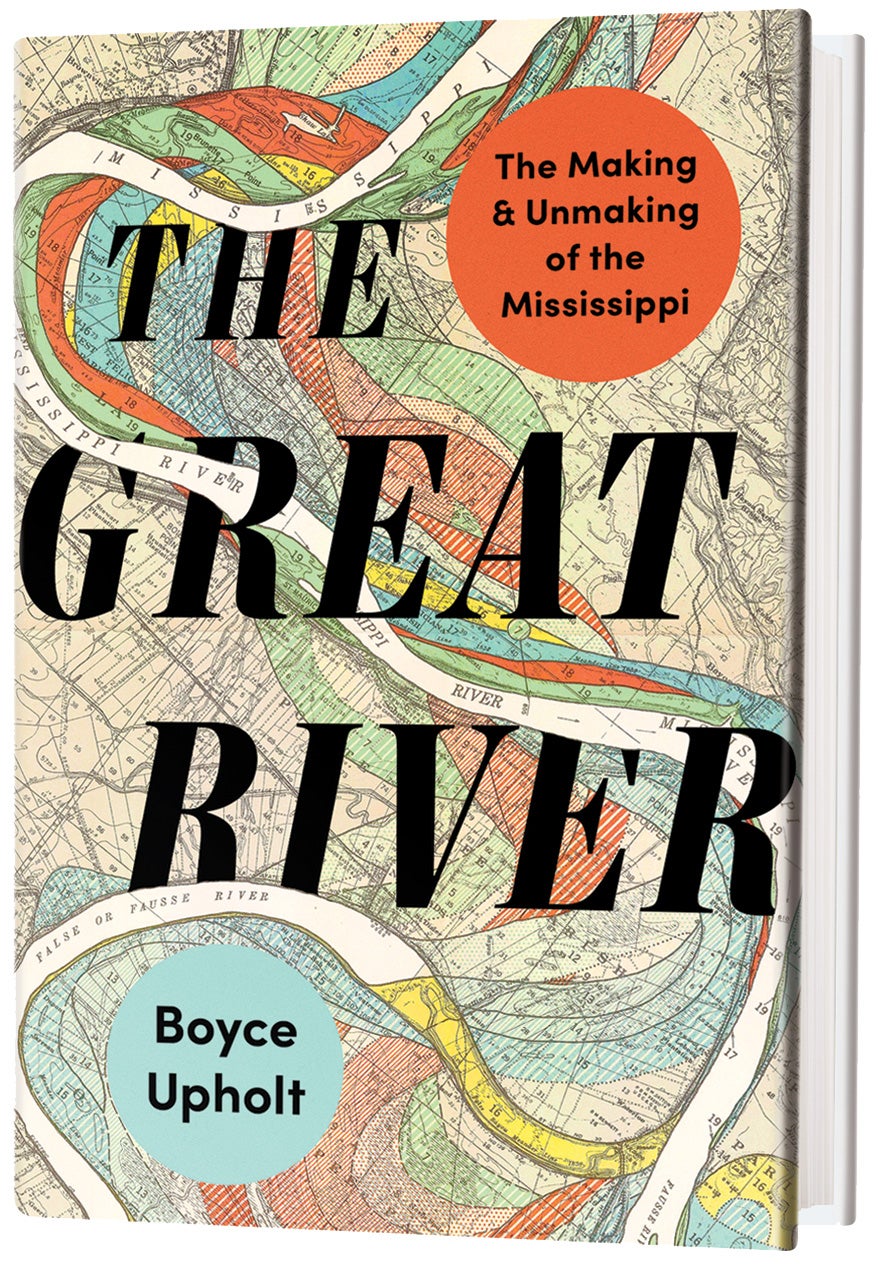
The Great River: The Making and Unmaking of the Mississippi
by Boyce Upholt.
W.W. Norton, 2024 ($29.99)
Blast. Carve. Dredge. Smash. Such powerful verbs fill a single paragraph midstream in Boyce Upholt’s sweeping ecological history of the Mississippi River. It’s fitting, given that brute force has been the dominant paradigm since settler times for contending with the river, whose watershed encompasses 40 percent of the continental U.S. There was a time when humans had a more intimate relationship with the river the Ojibwe people called the Misi-ziibi, which Upholt translates as “the Great River,” and in this fascinating and troubling book, he argues that we could choose this path again.
On supporting science journalism
If you're enjoying this article, consider supporting our award-winning journalism by subscribing. By purchasing a subscription you are helping to ensure the future of impactful stories about the discoveries and ideas shaping our world today.
Upholt, a New Orleans–based journalist, deftly weaves the river’s story with deep historical research, as well as reporting from canoes and atop levees. Four thousand years ago the continent’s native inhabitants built enormous earthworks along the river, mysterious testaments from great civilizations. But too quickly, both on the continent and in Upholt’s telling, Indigenous peoples were forced offstage. Enter settlers and swindlers, pioneers and politicians, all bent on unbending the river, ecosystems and human bodies deemed expendable along the way as engineers forced their will on the landscape. “It’s an imagined canvas,” Upholt writes, “that we’ve stretched atop the geological frame of the continent.”
Upholt’s narrative can loop like the river’s oxbows, folding back on itself in an at times confusing chronology, but such is the complexity of the Mississippi. The river that once was will never be again, so altered is its shape and so transformed the world it courses through, a warmer place that swings more frequently between drought and flood. Upholt reckons with his own uncertainty about how to move forward. Break down all the barriers and let the river run free again along the sinewy paths depicted in cartographer Harold Fisk’s 1940s maps, one of which graces the cover of The Great River? Pursue green infrastructure as relentlessly as it has been denied? Whom or what to prioritize? Farmers or cypress or shrimpers? Commerce or communities?
Even if we can rekindle our relationship with the river, what we may not be able to choose is the path of the river itself. Water finds its way. Can we?