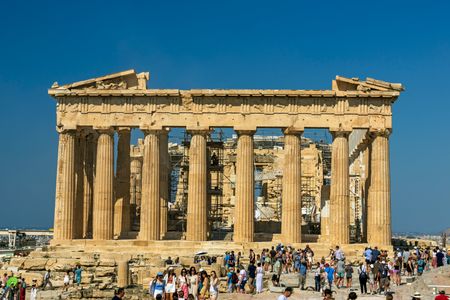
ArchitectureSeptember 22, 2026
Mathematician reveals the truth behind the Parthenon’s optical illusion
The Parthenon sits atop a platform that is curved into a subtle hill shape that some say makes the structure appear straighter—but is that true?
Mathematician reveals the truth behind the Parthenon’s optical illusion
The Parthenon sits atop a platform that is curved into a subtle hill shape that some say makes the structure appear straighter—but is that true?
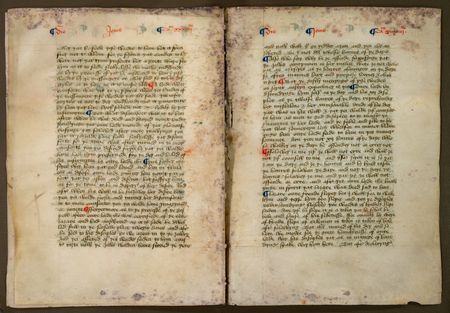
Missing pages of priceless Henry VIII–era manuscript finally found
The pages come from a copy of Mirror of the Blessed Life of Jesus Christ that once belonged to John Gage, an enforcer in Henry VIII’s court and a key figure in the historical dissolution of the monasteries

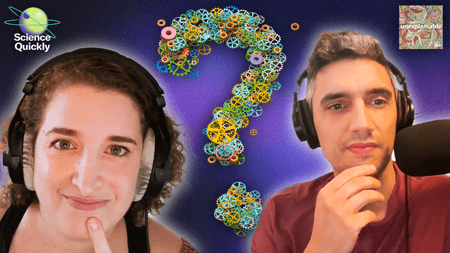
Unexplainable and Scientific American examine the mysteries science can’t yet explain
Rachel Feltman joins Vox’s Unexplainable to discuss the enduring mysteries that continue to challenge science
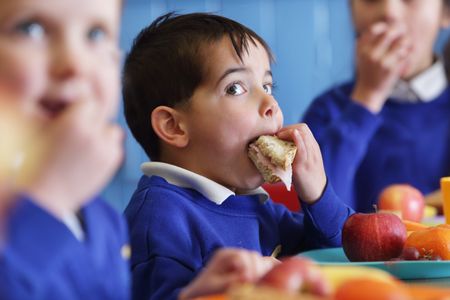
How much do universal lunch programs affect academic performance?
Experts say free lunch for every child improves academic performance. Whether it does is murky, according to a Scientific American analysis, but there are definite financial and social benefits
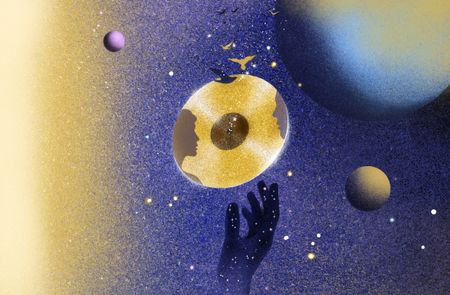
Poem: ‘The Golden Record’
Science in meter and verse
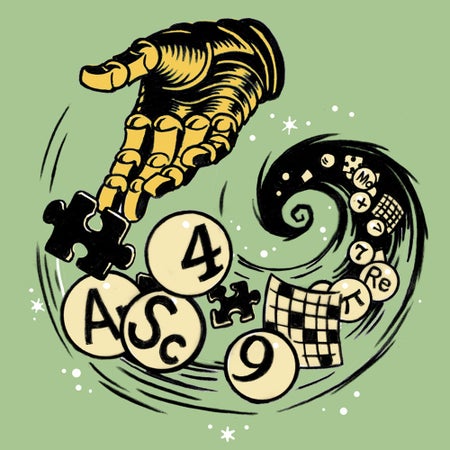
Science crossword: Broken thoughts
Play this crossword inspired by the October 2026 issue of Scientific American
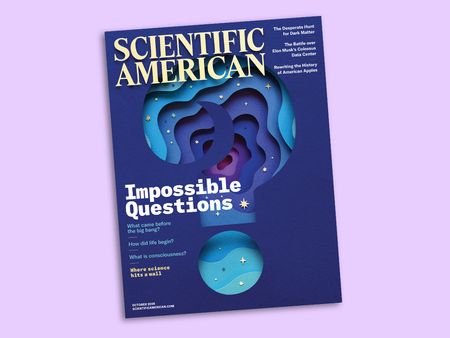
Finding meaning in the impossible
Some questions may never be answered, but maybe that’s not the point
October 2026: Science history from 50, 100 and 150 years ago
Smallpox eradication; skyscraper excavations; research on the racetrack
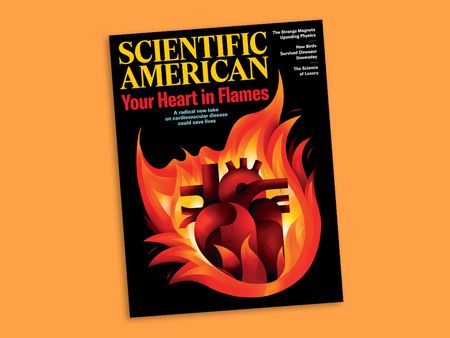
Readers respond to the May 2026 issue
Letters to the editors for the May 2026 issue of Scientific American
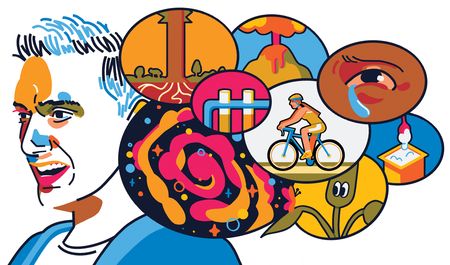
Why we love unexplainable mysteries
The biggest questions in science inspire us even when we lack answers
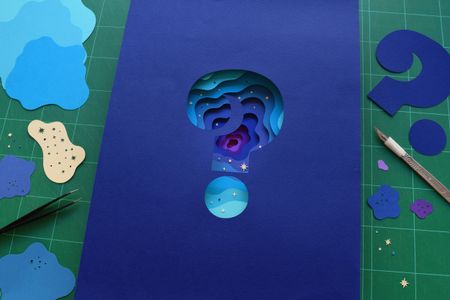
The questions science may never answer
Will some of the biggest mysteries in science remain forever unsolved?

New science shows we crave both close friends and large networks
Assistant professor of psychology Jessica Ayers’s new research challenges assumptions about the kind of friendships we need