
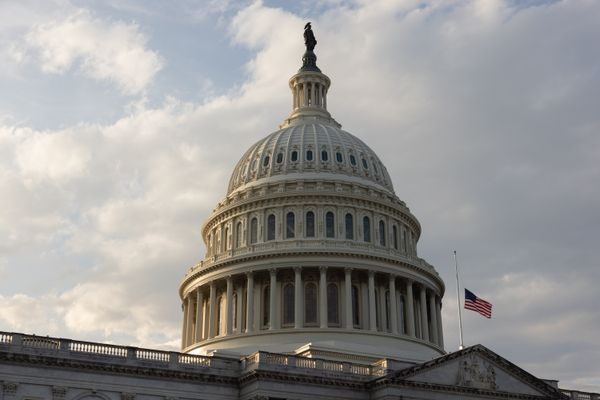
The U.S. Senate is emerging as a potential bulwark against proposed rule changes that would give government bureaucrats more control over scientific funding.
A draft agreement to fund the government through December 11 that was released on Sunday would extend the current system for the disbursement of science-related grants, such as those awarded by the National Institutes of Health, the National Science Foundation and other governmental agencies. If this continuing resolution were to pass, it would effectively stall the Office of Budget Management’s (OMB’s) proposed rule changes from coming into effect until at least that date. It would not prevent them from ever taking hold, however.
Representative Rosa DeLauro of Connecticut, ranking member of the House Committee on Appropriations and a Democrat, warned in a statement that “while the bill temporarily blocks the proposed OMB rule, the fight must continue.”
“The Senate bill forces OMB to continue reviewing the half-million comments that were submitted, but Congress must permanently prevent this corrupt, harmful power grab before the new deadline of December 11,” she said.
On supporting science journalism
If you're enjoying this article, consider supporting our award-winning journalism by subscribing. By purchasing a subscription you are helping to ensure the future of impactful stories about the discoveries and ideas shaping our world today.
The OMB's proposed changes would give political appointees, rather than the current system of panels of independent peer reviewers, the power to review and decide which research grants get funding from federal agencies.
Scientists rushed to condemn the proposal during the public comment period, which closed on July 13. Critics included several Nobel laureates, who warned it would politicize the scientific process and greatly damage U.S. scientific advancement.
Senator Susan Collins of Maine, chair of the Senate Committee on Appropriations and a Republican, said in a separate statement that she was “pleased” that the changes would not take effect under the resolution. “I advocated for significant changes to the proposed rule in a July 6 letter to the agency, citing its potential to politicize grants and harm small, rural communities, families, and biomedical research,” she said.