
Cases of an intestinal parasite that can cause explosive diarrhea are skyrocketing in the U.S.
In June just a few dozen cases of cyclosporiasis had been reported nationwide, but by July 9, the case count for the disease in Michigan alone stood at 1,251, according to the state’s Department of Health and Human Services.
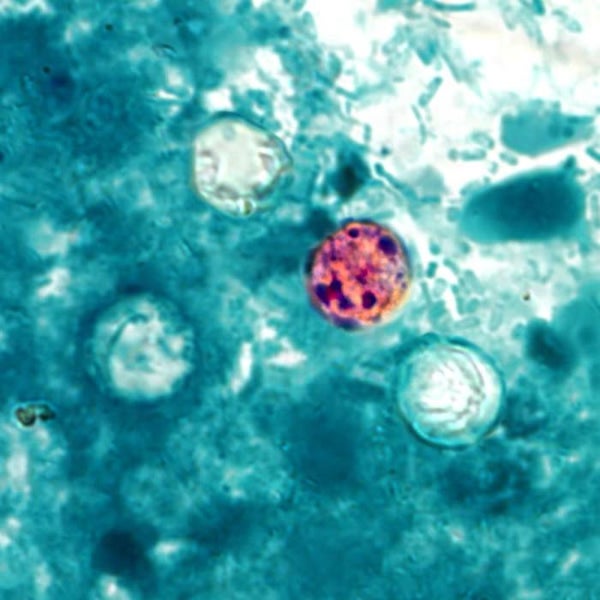
Cyclosporiasis is an illness caused by a parasitic single-celled life-form called Cyclospora cayetanensis, which can spread through food or water. The illness isn’t typically life-threatening, but a cyclospora infection can lead to severe diarrhea and “sometimes explosive bowel movements,” according to the U.S. Centers for Disease Control and Prevention.
On supporting science journalism
If you're enjoying this article, consider supporting our award-winning journalism by subscribing. By purchasing a subscription you are helping to ensure the future of impactful stories about the discoveries and ideas shaping our world today.
The CDC has not updated its data on the number of nationwide cases of cyclosporiasis since June 16. At that time, 145 cases had been reported since May. The cases were located in 17 states, with none in Michigan at that time. The latter state’s health department reported 170 cases by June 30, and that number has continued to grow.
In a statement issued on July 4, Michigan officials said that no specific provider of fresh produce had been linked to the outbreak. When reached for comment, officials declined to add anything to the statement.
In the statement, Michigan advised residents and restaurants in the southeastern part of the state to take a number of steps to prevent the illness’s spread. These included purchasing whole heads of lettuce rather than prewashed bags or salad mixes. When preparing lettuce, the state recommended throwing away the outer two or three layers of leaves and washing the remaining lettuce under running water. Officials also recommended washing leafy vegetables and herbs such as cilantro and basil, as well as snow peas, before using them, removing the outer layer of green onions and avoiding fresh, uncooked raspberries.
Michigan isn’t the only recently affected state: Since May 1, New York has detected 394 cases, 273 of which have been in New York City. That’s up from the 31 to 80 cases in the state that the CDC reported as of June 16.
A spokesperson for the New York State Department of Health said no evidence has been found that the various outbreaks around the U.S. are linked to a particular source. They added that cyclosporiasis incidents often rise during the spring and summer and that the current number of cases in the state don’t deviate significantly from past years.