
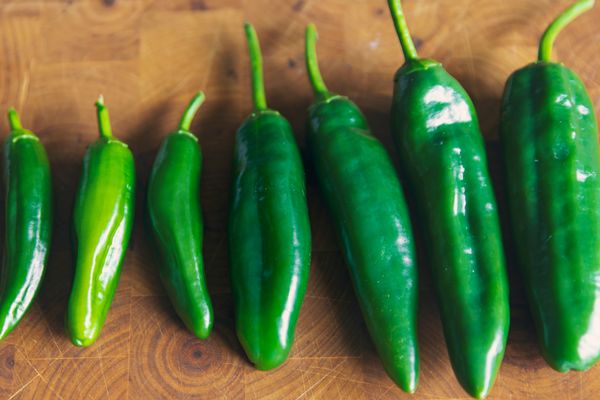
The U.S. is in the throes of a cyclosporiasis outbreak, but there’s apparently room for at least one more foodborne illness on the scene. According to the Centers of Disease Control and Prevention, hundreds of people across the country have been sickened with Salmonella after eating jalapeños.
As of August 5,345 cases have been identified across 27 states, with 36 of them requiring hospitalizations, the CDC reported.
Public health officials tracked the source of the outbreak to jalapeño peppers from Sinaloa, Mexico, that were distributed on a wholesale basis to restaurants by Coast Citrus Distributors. The affected peppers were mostly sent to two restaurant chains—Chipotle Mexican Grill and QDOBA.
On supporting science journalism
If you're enjoying this article, consider supporting our award-winning journalism by subscribing. By purchasing a subscription you are helping to ensure the future of impactful stories about the discoveries and ideas shaping our world today.
In a statement, QDOBA said it had removed all jalapeños from its restaurants “out of an abundance of caution.”
“We take any report involving guest health seriously and are committed to responding appropriately based on the facts and guidance from public health authorities,” the company said.
Chipotle said in a statement that it had removed Coast Citrus jalapeños from restaurants where they had been distributed and replaced them with peppers from different growers.
“The recalled jalapeño peppers are no longer in Chipotle restaurants and given these actions, the CDC and [the Food and Drug Administration] have said they do not consider there to be a current ongoing risk from Chipotle restaurants in this outbreak,” Chipotle said.
Given those actions, the CDC said in its own statement that it and the FDA “do not consider there to be a current ongoing risk from these establishments to consumers in this outbreak.”
The FDA is still investigating whether any of the jalapeños were sent to grocery stores, but so far there’s no evidence this occurred.
Unlike the parasite that causes cyclosporiasis, Salmonella is a genus that includes more than 2,500 types of bacteria. Fewer than 100 of these types cause illness in humans, according to the CDC. The bacteria live in the intestines of both humans and animals, and infection can occur by consuming contaminated food or water or by touching infected animals or animal feces.
Symptoms can include watery diarrhea that may have blood or mucus in it, stomach cramps, headache, nausea, vomiting and loss of appetite. These can start anywhere from six hours to six days after infection and usually persist for four days to a week.
Infections are fairly common: Salmonella is one of the leading causes of foodborne illness in the U.S., with the CDC estimating roughly 1.35 million cases occur each year. But because symptoms can sometimes be mild, only around one in 30 cases is diagnosed.
On rare occasions, the infection can be deadly, with an average of 420 deaths in the U.S. per year. Children younger than age five, particularly infants, as well as adults age 50 and older with underlying medical conditions or those age 65 or older, are at higher risk of becoming seriously ill, as are people with weakened immune systems.
Treatment options are somewhat limited for mild cases: the CDC recommends drinking lots of fluids because Salmonella symptoms can cause dehydration. Antibiotics are sometimes used for severe cases, but the CDC recommends avoiding them for mild cases because some strains of resistant Salmonella have begun to pop up.
Chipotle and QDOBA did not immediately respond to a request for comment.