
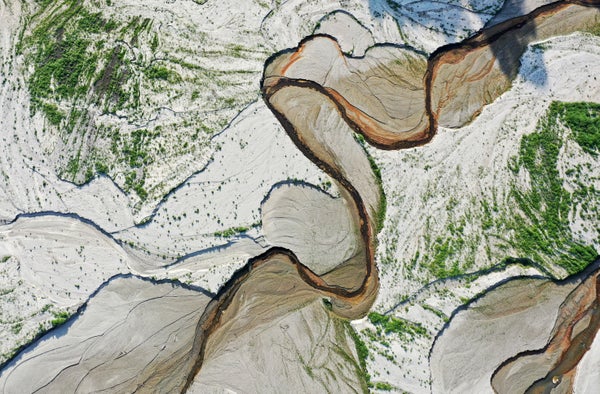
The western United States is experiencing its worst drought this century, threatening to kill crops, spark wildfires and harm public health as hot and dry conditions are expected to continue this month.
More than 93% of the land in seven Western states is in drought conditions, and nearly 59% of the area is experiencing extreme or exceptional drought—the two worst conditions—according to the latest figures released by the U.S. Drought Monitor.
Both figures are the highest this century for the area that covers all of Arizona, California, Idaho, Montana, Oregon, Washington and most of Utah.
On supporting science journalism
If you're enjoying this article, consider supporting our award-winning journalism by subscribing. By purchasing a subscription you are helping to ensure the future of impactful stories about the discoveries and ideas shaping our world today.
Before this year, the record for the amount of Western land in extreme or exceptional drought was 43%, set in September 2003.
The conditions have led to fire and fishing restrictions across the West and have prompted wildfire alerts. The National Interagency Fire Center is warning that the intensifying drought across the West is creating significant wildfire risk over the next three months from California to the Northwest and across the northern Plains.
“Last year, we had a lot of wildfire and a lot of smoke. It would be very surprising if that did not happen again this year,” Douglas Kluck, NOAA’s director of regional climate services in Kansas City, said in a virtual presentation last week.
Agriculture Department reports show that several crops, including wheat, sunflowers and barley, are threatened by the extensive drought, which is concentrated in the West but is also affecting areas as far east as the Dakotas, Minnesota and Iowa.
“We have huge concerns up in the northern Plains. Conditions are not good,” Dennis Todey, director of USDA’s Midwest Climate Hub, said during the presentation.
The Drought Monitor said drought-stricken ranchers are selling their cattle because of a lack of feed and poor forage conditions.
At least eight national forests in the West have imposed fire restrictions. Fishing restrictions have been imposed on many rivers because of low flows and warm waters.
Although drought conditions have been exacerbated by recent record temperatures in the West, Kluck said the current drought has been developing since the spring of 2020.
“This has been a very slow-developing drought ... that we’ve been talking about since last year,” Kluck said. “Some can date it back to last spring. The super-hot temperatures aren’t helping much.”
Reprinted from E&E News with permission from POLITICO, LLC. Copyright 2021. E&E News provides essential news for energy and environment professionals.