
By Julie Steenhuysen
The largest analysis yet has found Ebola virus particles present in semen as long as 565 days after recovery from an infection, highlighting the potential role of sex in sparking another outbreak, researchers reported on Tuesday.
The study, published in the Lancet Global Affairs, involved 429 men seen between July 2015 and May 2016 who were part of the Liberian government's Men's Health Screening Program (MHSP), the first national semen testing program for Ebola virus.
On supporting science journalism
If you're enjoying this article, consider supporting our award-winning journalism by subscribing. By purchasing a subscription you are helping to ensure the future of impactful stories about the discoveries and ideas shaping our world today.
Of the participants, 38 men tested positive during the study period. Within this group, 24 men, or nearly two thirds, had semen samples that tested positive for Ebola fragments a year after recovering from disease. Ebola tended to linger longer in men over age 40, the researchers said.
In one case, Ebola was detected at least 565 days after a man recovered from his illness.
"Before this outbreak, scientists believed that Ebola virus could be found in semen for three months after recovery. With this study, we now know that virus may persist for a year or longer,” said Dr. Moses Soka, coordinator of the Ebola Virus Disease Survivor Clinical Care at the Liberian Ministry of Health, who worked on the study.
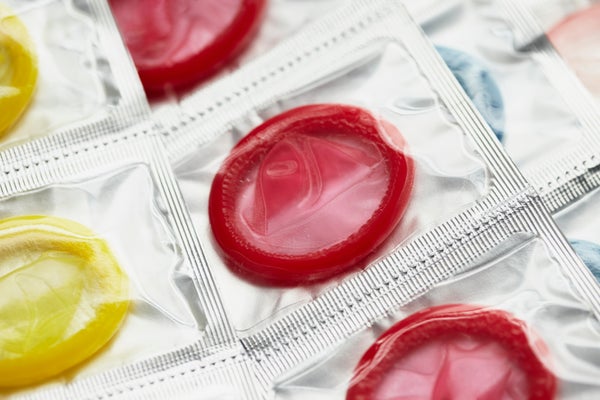
As part of Liberia's monitoring program, male survivors aged 15 and older can enroll for monthly tests of their semen. Participants also get counseling on safe sex and condoms at each visit.
"This program provides important insights into how long Ebola remains in semen, a key component to preventing flare-ups of the disease and protecting survivors and their loved ones," Dr. Thomas Frieden, director of the U.S. Centers for Disease Control and Prevention, which is collaborating with the ministry. Other partners include the World Health Organization, and the Academic Consortium Combating Ebola in Liberia.
Semen samples in the study were tested for genetic fragments known as the viral RNA, but the tests could not tell if the virus was capable of spreading disease.
Sexual contact with an Ebola survivor in March 2015 resulted in the infection and eventual death of a woman from Monrovia, even after Liberia had been declared free of Ebola. Tests of the man's semen showed the presence of Ebola virus 199 days after he first became ill.
The World Health Organization advises that all male Ebola survivors should be tested three months after the onset of symptoms and then monthly until they know they have no risk of passing on the virus.