New Issue: Science’s Impossible Questions. Read Now

El Salvador Urges Against Pregnancies Until 2018 as Zika Virus Spreads

More than 5,000 people have tested positive for the mosquito-borne illness in the country including suspected cases among 96 pregnant women

©iStock.com

Join Our Community of Science Lovers!

By Reuters Staff

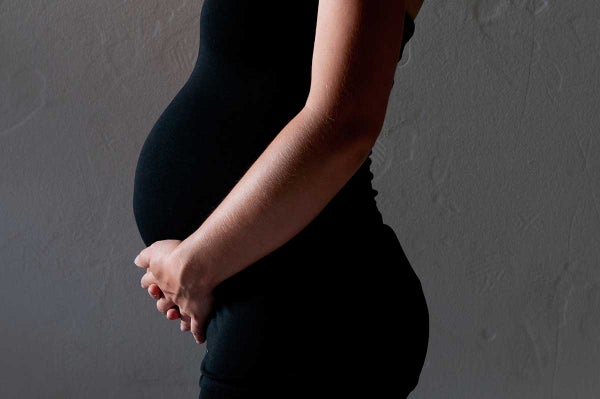
SAN SALVADOR (Reuters) - El Salvador on Thursday urged women in the Central American nation to avoid getting pregnant until 2018 to avoid their children developing birth defects from the mosquito-borne Zika virus which has rampaged through the Americas.

The Zika virus is transmitted by the Aedes aegypti mosquito, which is also known to carry the dengue, yellow fever and Chikungunya viruses. Health experts are unsure why the virus, which was first detected in Africa in 1947 but unknown in the Americas until last year, is spreading so rapidly in Brazil and neighboring countries.


On supporting science journalism

If you're enjoying this article, consider supporting our award-winning journalism by subscribing. By purchasing a subscription you are helping to ensure the future of impactful stories about the discoveries and ideas shaping our world today.


Although research is still underway, significant evidence in Brazil shows a link between Zika infections and rising cases of microcephaly.

"We'd like to suggest to all the women of fertile age that they take steps to plan their pregnancies, and avoid getting pregnant between this year and next," said Deputy Health Minister Eduardo Espinoza.

He said the government decided to make the announcement because 5,397 cases of the Zika virus had been detected in El Salvador in 2015 and the first few days of this year.

Official figures show 96 pregnant women are suspected of having contracted the virus, but so far none have had babies born with microcephaly.

In Colombia, which has the second-highest Zika infection rate after Brazil, the government is also advising women to delay becoming pregnant, but only for six to eight months.

Subscribe to Support Independent Journalism

Great science journalism requires human expertise, time, effort and creativity. And it costs money. That’s why I and the journalists here at Scientific American hope you’ll join our community.

When you subscribe, you are supporting staff and freelance journalists who are passionate about telling science stories that are true, important and compelling. Our editors and reporters are often experts in their fields, which means they understand the nuances of big discoveries and can untangle the breakthroughs from the hype. With a subscription, you are also supporting rigorous fact-checking to ensure the words we publish are precise and accurate. And you’re supporting original illustrations, graphics and photos that bring you closer to an advanced laboratory, an ice sheet in Antarctica or a space mission in orbit. You’re helping us craft other types of high-quality journalism as well: Our newsletters are carefully written, edited and curated by staffers you have or will come to know and love. Our Science Quickly podcast is based on original reporting, collaboration with editors and scientists and exacting production.

Subscriptions keep this engine running so we can continue to deliver thoughtful, rigorous and independent science journalism to you. In an era of viral misinformation, this work is crucial. If you value what we do, I hope you’ll consider joining us as a subscriber

Thank you,

Jeanna Bryner, Editor in Chief, Scientific American

Subscribe