
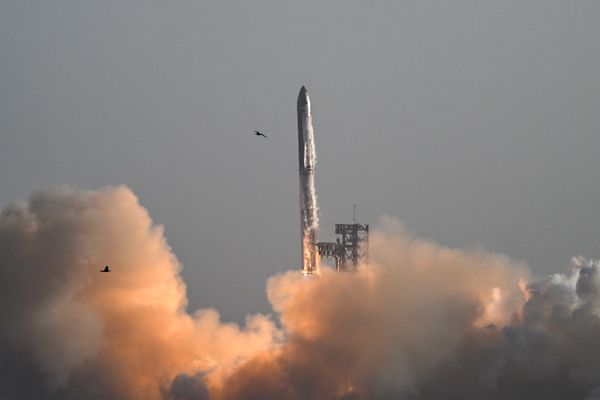
Elon Musk’s SpaceX is ready to expand its horizons beyond its Starbase in South Texas. On Tuesday the company announced it will build a spaceport in Louisiana dedicated to launching its Starship megarocket. The effort is aimed to up SpaceX’s flight cadence to thousands of launches per year, according to the firm.
SpaceX, which became a public company earlier this year with a $1.77-trillion valuation, plans to put at least $100 billion toward the spaceport, which will be situated on Pecan Island in southern Louisiana. The area, which sits within Vermilion Parish, is known for its coastal marshlands. In a video statement, Musk said the new spaceport could lead to thousands of new jobs for the local community; some 57,000 people lived in Vermillion Parish as of the 2020 U.S. Census.
SpaceX also promised to support the site's surrounding wetlands—the company has faced pushback in the past in the form of lawsuits alleging environmental violations and damage to homes near its Texas Starbase.
On supporting science journalism
If you're enjoying this article, consider supporting our award-winning journalism by subscribing. By purchasing a subscription you are helping to ensure the future of impactful stories about the discoveries and ideas shaping our world today.
The new spaceport, which SpaceX has named Starbase, Louisiana, will be the “biggest launch site on Earth,” according to Musk. Dedicating the site to Starship could help launch that vehicle more frequently without compromising the Falcon 9, SpaceX’s current workhorse rocket, or the Falcon Heavy. Eventually, SpaceX hopes to use Starship’s high cargo capacity to rapidly build out its satellite Internet constellation, Starlink, and to construct an orbital artificial intelligence data center. Currently, SpaceX launches its rockets from its Texas Starbase or from facilities in Florida or California.
The move comes days after U.S. President Donald Trump announced an executive order promising the “Golden Age” of spaceflight. Under the order, the administration hopes to boost rocket launches and reentries to more than 1,000 per year by 2030. Part of that effort involves making it easier for space companies to build infrastructure for launch and to grow “a vibrant commercial space economy.”