
People with the inflammatory condition Crohn's disease may have a higher level of a certain fungus in their gut, a new study finds.
Scientists have known that gut bacteria may contribute to the development of Crohn's, but the new study finds that this fungus may also play a role in the condition.
The findings could lead to new treatments for people with the disease, who may have such symptoms as severe abdominal pain, weight loss, fatigue and diarrhea. [5 Things Your Poop Says About Your Health]
On supporting science journalism
If you're enjoying this article, consider supporting our award-winning journalism by subscribing. By purchasing a subscription you are helping to ensure the future of impactful stories about the discoveries and ideas shaping our world today.
"We already know that bacteria, in addition to genetic and dietary factors, play a major role in causing Crohn's disease," study co-author Mahmoud A. Ghannoum, director of the Center for Medical Mycology at Case Western Reserve, said in a statement. Previous research has shown that people with Crohn's have an abnormal response to certain bacteria that live in the gut, he said. "While most researchers focus their investigations on these bacteria, few have examined the role of fungi, which are also present in everyone's intestines," Ghannoum added.
In the study, the researchers analyzed the microorganisms found in fecal samples from 20 people with Crohn's, 28 of their relatives without the disease, and 21 people without Crohn's who were not related to the 20 people with Crohn's or their relatives. All of the participants were residents of Belgium or northern France.
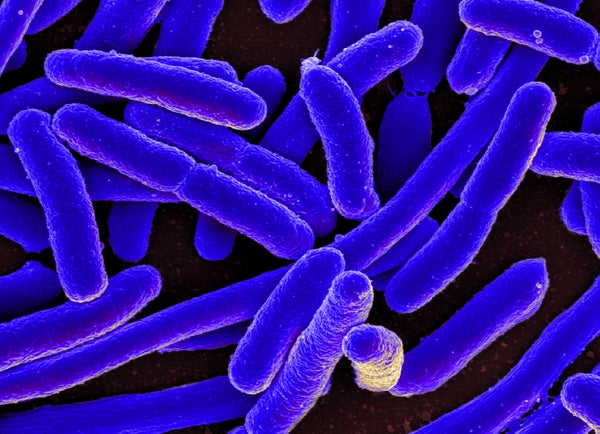
The researchers found that the people with Crohn's disease had significantly higher levels of two types of bacteria, called Escherichia coliand Serratia marcescens, and one fungus, called Candida tropicalis, compared with their healthy relatives and the other people in the study who did not have the disease, according to the study, published Sept. 20 in the journal mBio.
Although previous research in mice has suggested that this fungus may be involved in Crohn's, this is the first time it has been linked to the condition in people, the researchers said.
Moreover, when the researchers examined these bacteria and fungus, they found that the three microorganisms worked together to form a so-called biofilm—a thin, sticky layer of microorganisms—that attaches itself to a portion of the gut. This biofilm could trigger the inflammation that causes the symptoms of Crohn's disease, the researchers said. [5 Ways Gut Bacteria Affect Your Health]
The new study "moves the field forward," said Dr. Arun Swaminath, director of the inflammatory bowel disease program at Lenox Hill Hospital in New York City, who was not involved in the study. "The really neat thing they have done is to show how [these microorganisms] actually interact together," to form the biofilm, he said.
However, the study was conducted in a small group of patients in France and Belgium, and more research is needed to see if these findings would apply to patients in other countries, Swaminath said.
Copyright 2016 LiveScience, a Purch company. All rights reserved. This material may not be published, broadcast, rewritten or redistributed.
