
As cases of an explosive-diarrhea-causing parasite continue to rise across the U.S., lettuce-based salads may be off the table until the source is found.
Cyclosporiasis is an illness caused by the parasite Cyclospora cayetanensis, which can spread through food or water. A cyclospora infection can lead to severe diarrhea and “sometimes explosive bowel movements,” according to the U.S. Centers for Disease Control and Prevention (CDC).
In Michigan, the state hardest hit by the current outbreak, 3,762 cases had been reported as of Wednesday, of which 44 had required hospitalization as of July 9. Nationwide, the picture is murkier. As of July 13, the CDC noted that it had received 1,645 reports of cases in 34 states, including 141 hospitalizations. The very next day, however, the agency issued a statement acknowledging that the true number of cases is likely far higher, adding that there are 5,100 cases that require further analysis to confirm a cyclosporiasis diagnosis.
On supporting science journalism
If you're enjoying this article, consider supporting our award-winning journalism by subscribing. By purchasing a subscription you are helping to ensure the future of impactful stories about the discoveries and ideas shaping our world today.
“CDC and state and federal partners are working together to investigate several outbreaks of cyclosporiasis,” the statement read. “Investigations to identify and confirm the sources of the outbreaks are ongoing.”
The source of the outbreak is also unclear. Michigan health authorities said the up to two-week incubation period between infection and onset of symptoms, as well as the complex food distribution networks in the U.S., has made locating the source challenging, but there are some signs that lettuce may be involved.
Anyone concerned about coming down with this very unpleasant sickness should avoid lettuces for the time being, says Rabia de Latour, a gastroenterologist at the NYU Grossman School of Medicine. Washing produce, on its own, “will not get rid of this as a foolproof method,” she adds.
“The only way to truly kill this parasite from food is to cook it at 158 degrees Fahrenheit,” she says.
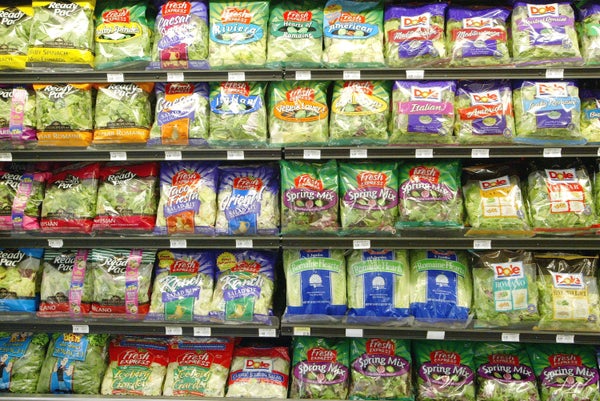
Health authorities have also warned against using prewashed, bagged lettuce in particular and have advised consumers to instead buy whole heads of lettuce and discard the outer two or three layers before washing what’s left thoroughly.
De Latour says this advice may be somewhat effective but would not completely prevent an infection.
“Washing is great. Washing with a vegetable brush is even better, but you still cannot definitively say that you have removed and/or killed the parasite with that method,” she says.
So far, no fatalities have been tied to the outbreak, and cyclospora is not generally known to be deadly to humans. The disease also somewhat treatable with a drug called trimethoprim-sulfamethoxazole (TMP-SMX), which helps prevent the parasite from synthesizing folic acid it needs to live and reproduce.
De Latour says that people with severe comorbidities, such as heart or kidney disease, could be at risk of dying from the dehydration that ensues from diarrhea, but she adds that the extremely unpleasant nature of the symptoms should be enough to keep the general public cautious of what they eat.
“It’s called explosive diarrhea for a reason. People are in distress, and they’re having to be near a toilet. They can lose weight, and they can feel really crummy.”