
CLIMATEWIRE | NOAA’s famed Hurricane Hunter airplane missions significantly increase the accuracy of hurricane forecasts, according to new research that comes as the government’s weather analysis system faces potentially debilitating cuts.
The Hurricane Hunter program, which sends aircraft into tropical cyclones to gather data for scientists to analyze, improves the accuracy of hurricane forecasts by up to 24 percent, according to a study published in May.
The study adds to research showing the value of the Hurricane Hunter program as President Donald Trump’s proposed budget cuts put them in jeopardy.
On supporting science journalism
If you're enjoying this article, consider supporting our award-winning journalism by subscribing. By purchasing a subscription you are helping to ensure the future of impactful stories about the discoveries and ideas shaping our world today.
Trump’s proposed budget for fiscal 2026 does not appear to target the Hurricane Hunter program. But it would end funding for NOAA’s research network including the University of Miami’s Cooperative Institute for Marine and Atmospheric Studies, whose scientists collect measurements on the Hurricane Hunter flights.
The Trump administration earlier this year laid off several employees involved in the Hurricane Hunter missions amid widespread staff reductions at NOAA and other federal agencies.
This year’s Hurricane Hunter flights are expected to proceed as usual. But scientists are concerned about the consequences of reduced data collection missions at NOAA, suggesting that weather models could suffer.
Staff reductions earlier this year forced multiple National Weather Service offices to reduce or curtail their daily weather balloon launches that collect atmospheric data. Experts say some forecasts have already declined as a result.
Hurricane Hunter missions provide similarly useful data, scientists say. The aircraft — some operated by the Air Force and others operated by NOAA — zoom through tropical cyclones as they strengthen over the ocean and deploy special instruments that measure temperature, humidity, wind speeds. and other variables inside and around the storms.
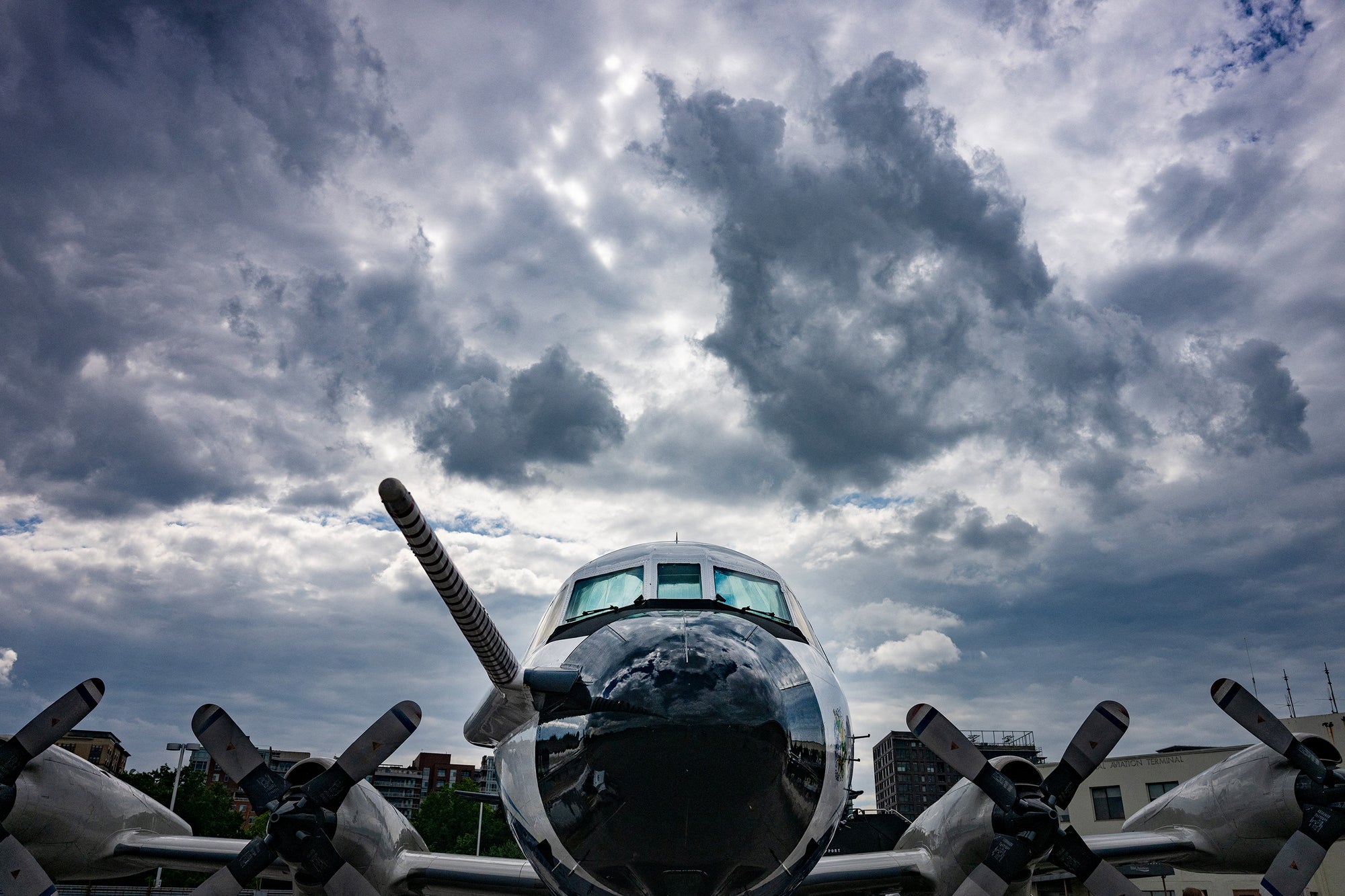
"Kermit," a National Oceanic and Atmospheric Administration (NOAA) WP-3D Orion hurricane hunter aircraft.
Jim Watson/AFP via Getty Images
For their May study, researchers Melissa Piper and Ryan Torn of the University of Albany in New York focused on missions conducted with NOAA’s Gulfstream IV jets, often called G-IV jets. They compared the accuracy of forests that included Hurricane Hunter data with a baseline model and found forecasts incorporating the data were as much as 24 percent more accurate than forecasts without the data.
Hurricane Hunter flights are typically reserved for hurricanes expected to make landfall in the U.S. or nearby islands.
The researchers also found that forecasts for weaker storms seemed to benefit the most from Hurricane Hunter data. And while hurricane forecasts continue to update for hours or days as the storms evolve, the forecasts saw their most dramatic improvements immediately after Hurricane Hunter measurements were added.
The researchers couldn’t say for sure that any individual forecast would have performed less accurately without the Hurricane Hunter data. Instead, the study suggests that forecasts involving the G-IV flights performed better on the whole than the models without them, suggesting hurricane forecasts could suffer with cuts to the Hurricane Hunter program.
Meteorologists have warned that other proposed cuts to NOAA threaten the nation’s weather forecasting capabilities. The White House’s proposed elimination of NOAA’s Office of Oceanic and Atmospheric Research would kill some of the scientific projects that help weather models improve over time.
“There’s gonna be a great price to be paid by our society,” former NOAA chief scientist Craig McLean said Tuesday at a panel of former NOAA experts.
Forecasts of extreme weather that leads to wildfires, floods and heatwaves all perform well today because of scientific advancements at NOAA, McLean said.
Reprinted from E&E News with permission from POLITICO, LLC. Copyright 2025. E&E News provides essential news for energy and environment professionals.