
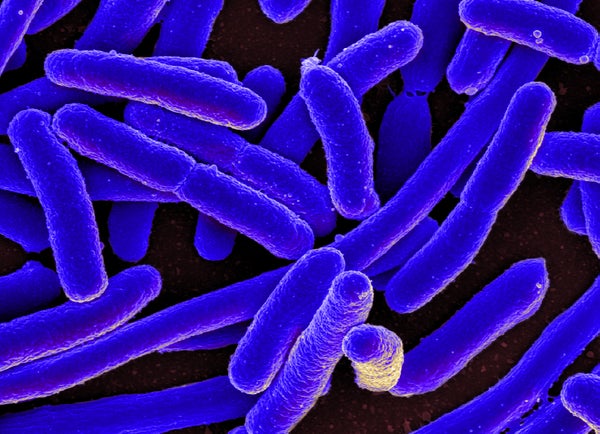
There’s some moderately good news and bad news from the Centers for Disease Control and Prevention about the new superbug that has been generating concern in the United States and elsewhere.
First the bad: Another human case of the bug, known as mcr-1, has been found in the United States, bringing the total domestic cases so far to four.
The moderately good news: Investigations into two of those cases failed to turn up any evidence the bug spread to contacts of the people who were carrying it.
On supporting science journalism
If you're enjoying this article, consider supporting our award-winning journalism by subscribing. By purchasing a subscription you are helping to ensure the future of impactful stories about the discoveries and ideas shaping our world today.
The reports of those investigations were published Friday in the CDC’s online journal Morbidity and Mortality Weekly Report.
“These findings suggest that the risk for transmission from a colonized patient to otherwise healthy persons, including persons with substantial exposure to the patient, might be relatively low,” the authors of the investigation into the first detected US case wrote.
The case was a woman in Pennsylvania, who was found to have the E. coli carrying the mcr-1 gene in her system in May. The woman, who had been hospitalized multiple times in the time leading up to the discovery, was being evaluated for a possible urinary tract infection.
The mcr-1 gene—which is able to jump from bacteria to bacteria — makes bugs carrying it capable of resisting the antibiotic colistin, which is considered a drug of last resort. It is used when bacteria are resistant to other, more commonly used antibiotics. The fear is that mcr-1, combined with other forms of antibiotic resistance, will give rise to bacteria that cannot be successfully treated with antibiotics.
Disease detectives studying the case of this woman—and another, a baby in Connecticut who was found in June to be infected with E. coli carrying the mcr-1 gene—identified and tested family members and close contacts who had the type of contact with these two patients that might have led to spread of the bacteria.
In the case of the woman from Pennsylvania, 98 people agreed to be tested. The baby had fewer close contacts; six were tested and none was found to be carrying the gene.
The lack of evident spread doesn’t mean, though, that health care providers can let down their guards.
“Health care personnel should immediately report colistin-resistant bacteria to their local health department,” the authors of the Pennsylvania report wrote. They are from the state’s health department and the CDC.
“Health departments are encouraged to rapidly investigate reports of colistin-resistant bacteria to prevent transmission to other patients and thereby decrease the risk for transmitting plasmid-encoded genes to bacteria that might already contain other resistance genes.”
Republished with permission from STAT. This article originally appeared on September 9, 2016