
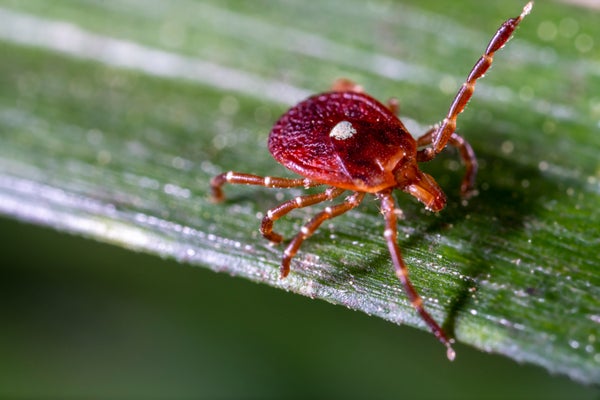
Scientists have confirmed the first death linked to a severe meat allergy caused by a tick bite. The man, who died in 2024 after eating a burger, had alpha-gal syndrome, a disease triggered by tick bites that causes people to develop anaphylactic reactions to red meat and other animal-based products.
The man’s case was detailed in a paper published this week in the Journal of Allergy and Clinical Immunology: In Practice. According to the researchers, the man started to vomit hours after having a burger at a barbecue in New Jersey.
Two weeks before he died, the man had experienced an allergic reaction to a steak. “The tragedy is that they didn’t think of that episode as anaphylaxis, and therefore didn’t connect it to the beef at the time,” said study co-author Thomas Platts-Mills, an allergist at the University of Virginia School of Medicine, who helped discover alpha-gal syndrome and diagnosed the New Jersey case, in an interview with NBC News.
On supporting science journalism
If you're enjoying this article, consider supporting our award-winning journalism by subscribing. By purchasing a subscription you are helping to ensure the future of impactful stories about the discoveries and ideas shaping our world today.
Alpha-gal syndrome causes allergic reactions to a sugar molecule in meat. It is unlike other food allergies, however, in that the reaction is often delayed: people can feel sick hours after eating meat, and the symptoms can be confused with food poisoning. It is most often caused by a lone star tick bite, although bites from other ticks can cause the syndrome.
Scientists suspect that many people with alpha-gal syndrome may not know they have it—in the man’s case, it took scientists months to work out that he had the syndrome and had died from it. And because of warming winters, tick bites are becoming more common year-round.
People who suspect they may have the syndrome can get tested to confirm it. While there is no cure for alpha-gal, scientists recommend that people with the condition avoid all meat products, as well as dairy, gelatin and some medications made with these products.