
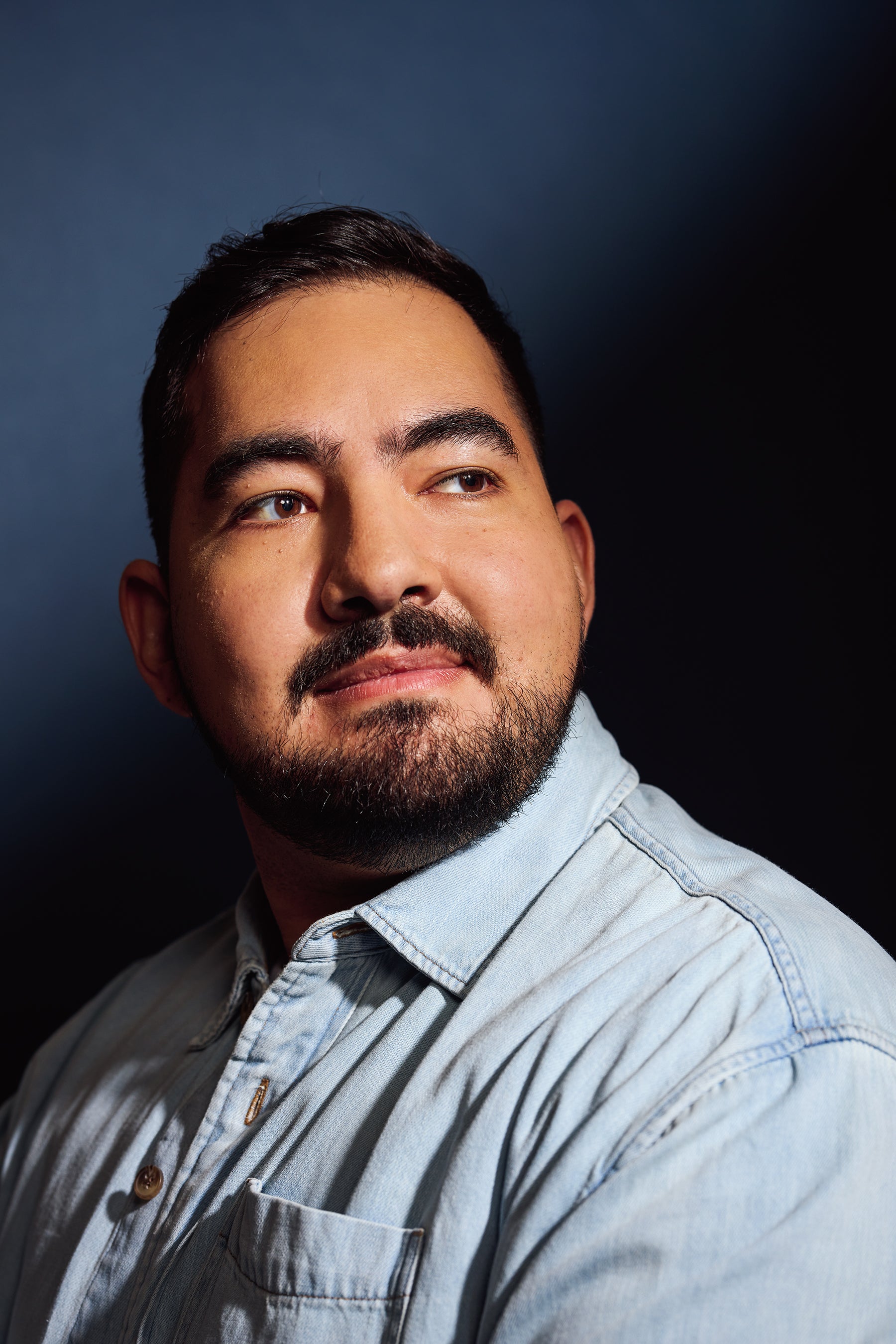
Steven Chavez’s path to chemical engineering started with a teacher, Kelly Silva. “You have a knack for this,” Silva told him one day after chemistry class. She moved him into her advanced chemistry course and urged him to work hard. Now Chavez is at the University of California, Los Angeles, studying catalysts—materials that facilitate chemical processes. Catalysts are used frequently in industries such as petroleum and agriculture to give us plastics, fertilizers, and other drivers of modern life.
Chavez is specifically focused on understanding how catalysts work over time and what happens when they fail. These proteins, compounds, metals, and other materials reduce the amount of energy needed to make a chemical reaction go, but they can stall or stop, slowing processes, lowering yields and creating incomplete products. This, in turn, affects farmers, industrial agriculture and the cost of the food supply. Efficient catalysis is also a concern in pharmaceutical production. If scientists knew when and how these changes happen, they could better control the pertinent chemistry.
On supporting science journalism
If you're enjoying this article, consider supporting our award-winning journalism by subscribing. By purchasing a subscription you are helping to ensure the future of impactful stories about the discoveries and ideas shaping our world today.
Christie Hemm Klok
Chavez is exploring these questions by studying catalysts under different wavelengths of light. Once he understands how a catalyst behaves, he’d like to use light to control it.
With cuts to federal funding and instability in scientific agencies, Chavez tries to stay positive, focusing on what he can control—grant applications, teaching, mentoring and working on his big questions. He comes from an underrepresented group and knows that he is a role model. He won’t be able to relate to all the students he looks like, he says. But he can give them the tools and confidence they need to forge their own trailblazing paths in science.
This article is part of “The Young American Scientists,” an editorially independent project that was produced with financial support from Regeneron. Special thanks to the Exploratorium in San Francisco, where Chavez's portrait and video interview were captured.