
As the bird flu outbreak affecting poultry, dairy cows and humans in the U.S. continues to make headlines, here’s what to know about the situation as of January 23.
Human Cases
The U.S. reported its first human case of H5N1 avian influenza in two years in April 2024. Since then the Centers for Disease Control and Prevention has reported a total of 67 confirmed human cases. The first U.S. death from bird flu was announced earlier this month in Louisiana, but most human cases in the country have remained quite mild.
On supporting science journalism
If you're enjoying this article, consider supporting our award-winning journalism by subscribing. By purchasing a subscription you are helping to ensure the future of impactful stories about the discoveries and ideas shaping our world today.
The CDC maintains that there is no evidence of spread between humans. Most people with avian influenza have been infected through exposure to sick dairy cows or poultry. Cows with bird flu shed large amounts of the H5N1 virus in their milk, although pasteurization has been confirmed to kill the virus, leaving the commercial milk supply safe to drink. (Raw milk is not safe.) Poultry workers have been infected mainly through culling operations. The source of a few human infections remains difficult to pin down.
Poultry Cases
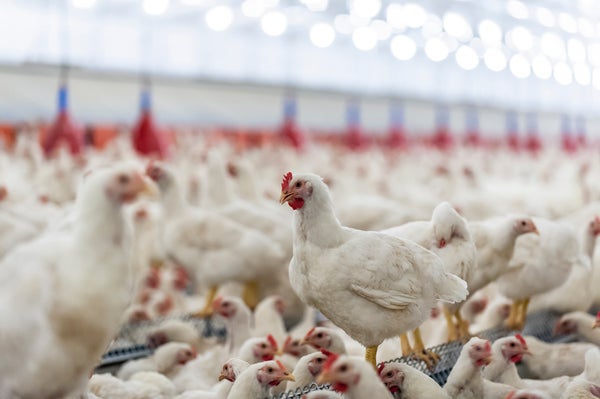
Bird flu continues to spread among commercial and backyard poultry. As of January 23, the U.S. Department of Agriculture reported that there were 98 infected flocks within the past 30 days, with more than 15 million birds affected. Avian influenza is so contagious and deadly in poultry that the entire flock is culled as soon as the presence of the virus is confirmed. Since the bird flu outbreak began in February 2022, more than 140 million birds have been infected or proactively culled.
Recent infections among poultry include two large commercial chicken farms in Georgia, which is a key source of so-called broilers raised for meat. Maryland and Virginia have also reported recent cases at broiler facilities, while Missouri has confirmed bird flu infections at an egg farm. And health officials in New York State announced a massive outbreak at a duck farm on Long Island. With bird flu cases increasing, egg prices are rising fast. Fortunately, although eggs can carry a host of infections and should never be eaten raw, people are unlikely to catch bird flu from commercial chicken eggs.
Cat Cases
There has also been a spate of recent bird flu detections in domestic cats. Positive samples were gathered in January in California, Kansas, Louisiana and Iowa, and several more cases from last December were also confirmed this month. Less information is typically available in these cases, and there are several ways cats can catch bird flu: Those on dairy farms have been particularly vulnerable; such cats likely become infected by drinking milk from sick cows. But outdoor cats can also catch avian influenza from wild birds. And indoor cats can be exposed to the virus through raw milk and raw food. Recognizing this last threat, on January 17 the Food and Drug Administration ordered manufacturers of raw pet food to update their food safety plans to include H5N1.
Federal Communications
Monitoring bird flu has been a challenge since it first arrived in North America, likely through wild birds that aren’t in the purview of any particular health agency. And while poultry farmers have extensive experience with avian influenza and strict biosecurity protocols, experts didn’t expect the virus to jump into dairy cows, which, like poultry, fall under the jurisdiction of the USDA and its state equivalents. Human cases, meanwhile, are the responsibility of local and state public health departments, with federal coordination from the CDC.
The inauguration of President Donald Trump has further clouded the picture: the administration ordered the Department of Health and Human Services, which includes the CDC, to cease all public communications through at least the end of the month.