
CLIMATEWIRE | Despite a small number of weather catastrophes this year, property insurers are facing huge losses and weak finances, partly from climate change, according to two reports released Thursday.
The reports illustrate how damage from smaller climate-driven events can be costly in their growing frequency even if no event causes catastrophic destruction.
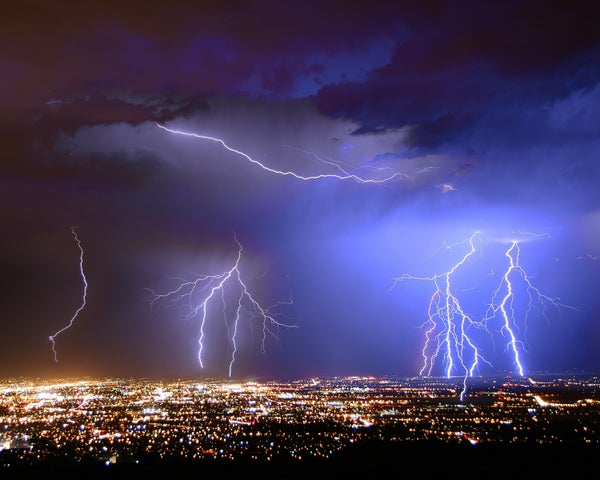
Damage from thunderstorms alone forced insurers to pay claims worth $60 billion worldwide in 2023, according to Swiss Re, an international reinsurance company. That’s nearly twice the annual amount paid on average over the previous five years.
On supporting science journalism
If you're enjoying this article, consider supporting our award-winning journalism by subscribing. By purchasing a subscription you are helping to ensure the future of impactful stories about the discoveries and ideas shaping our world today.
The United States accounted for $50 billion of the claims, and thunderstorm damage “is set to keep rising,” Swiss Re said as it warned about the “high frequency” of severe thunderstorms. The U.S. is “particularly prone” to severe thunderstorms because of its location, Swiss Re said.
Severe thunderstorms are generally smaller and less-damaging than major hurricanes, floods and wildfires.
“The cumulative effect of frequent, low-loss events, along with increasing property values and repair costs, has a big impact on an insurer's profitability,” Swiss Re Group Chief Economist Jérôme Jean Haegeli said in a statement.
Moody’s Investors Service echoed the sentiment in a separate report Thursday that said the outlook for property insurers is “negative” due in part to the growing damage caused by thunderstorms, wildfires and extreme precipitation.
The two reports come as climate change is helping propel a national insurance crisis. Insurers are retreating from areas vulnerable to flooding, hurricanes and wildfires, sharply increasing premiums and suffering huge losses.
Moody’s said the “large losses” in recent years are due primarily to increased development in vulnerable areas, which is “exacerbated by climate change” and soaring costs of building materials and labor.
On Nov. 10, Moody’s downgraded the financial strength of a major U.S. property insurer, noting the company faced “sizable catastrophe losses” and other problems. The downgrade of Nationwide Mutual Insurance’s property and casualty lines to A1 from A2 reflects its “weak profitability over the past several years.”
Downgrading an insurance company’s rating can increase its borrowing costs by signaling weakened financial capacity. Moody’s negative rating for property insurance overall does not carry official weight.
Thunderstorms and other “low-loss events” can be particularly costly to insurance companies because of the insurance industry’s financial structure.
Insurance companies usually buy insurance of their own — called reinsurance — to pay claims after catastrophic events. Reinsurance helps protect insurers from becoming insolvent after a major hurricane by paying excess claims.
But “low-loss events” generally don’t cause enough damage to trigger reinsurance payments. That forces insurers to bear the entire cost themselves.
“Losses from smaller individual events often fall short” of causing enough damage for reinsurers to pay claims, Moody’s wrote. “The aggregate losses fall more on primary insurers than reinsurers."
Reprinted from E&E News with permission from POLITICO, LLC. Copyright 2023. E&E News provides essential news for energy and environment professionals.