
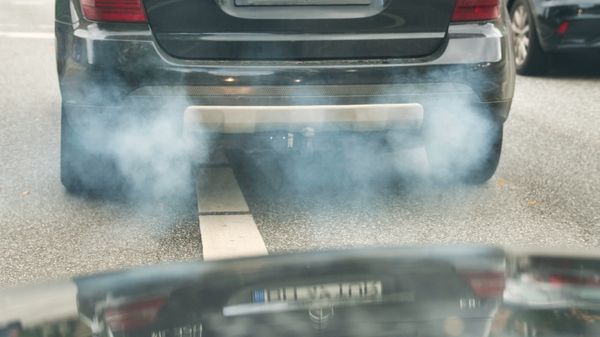
The Trump administration has announced plans to roll back fuel regulations. Advocates say the move could prove “disastrous” for the environment and the economy.
Since the 1975 Energy Policy and Conservation Act, cars have generally gotten more fuel-efficient, while regulations on fuel economy have tightened. In 1975 passenger cars could, on average, drive 13.1 miles on a single gallon of gas—in 2024 the average car could get 35.4 miles to the gallon.
The new policy will require cars and other light vehicles to run at 34.9 miles per gallon by 2031—a sharp reduction in ambition from former president Joe Biden’s plan to have new cars run at 50.4 miles per gallon within the same period.
On supporting science journalism
If you're enjoying this article, consider supporting our award-winning journalism by subscribing. By purchasing a subscription you are helping to ensure the future of impactful stories about the discoveries and ideas shaping our world today.
Secretary of Transportation Sean Duffy said in a statement that the rule change would lower car prices.
“Newer cars are safer cars,” said National Highway Traffic Safety Administration chief Jonathan Morrison in the same statement. “By reducing vehicle prices, more American families will be able to afford newer vehicles, and sensible standards allow automakers more freedom to design and produce vehicles consumers actually want.”
Andy Su, a transportation lawyer at the nonprofit Environmental Defense Fund, says the new regulations could mean a “disastrous future” for the economy and the environment. Lower fuel efficiency will mean more trips to the gas station over a car’s lifetime, he says, costing drivers at least $1,600.
“For decades, our national fuel economy standards have steadily made our vehicles more efficient and less expensive to drive,” Su says. The new standards “are a sharp U-turn that will mean more wasted gas, more pollution and higher costs for Americans who are already struggling with higher fuel prices.”
The changes will go into effect for all passenger cars and light trucks with a model year from 2022 to 2031, with an up to 1 percent increase in fuel efficiency each year.