
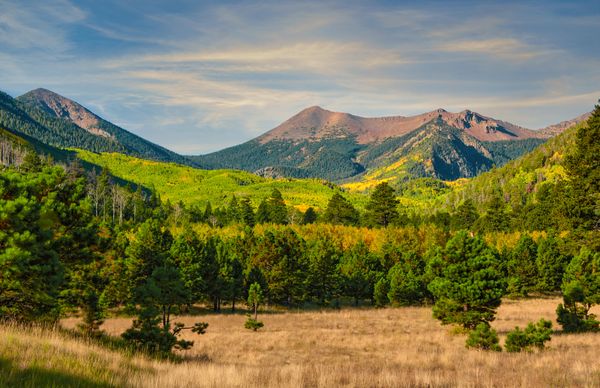
The Trump administration on Tuesday proposed a rule change that would end protections for more than 44 million acres of forest land. The U.S. Department of Agriculture plan would throw out a 25-year-old policy that has prevented logging, road building and other development in some of the nation’s most renowned woodlands.
The move would scrap 2001 Roadless Area Conservation Rule; the idea has been widely decried by environmental groups as risking the demise of some of the nation’s most crucial natural wildernesses.
In a press release, the USDA described the policy as a “one-size-fits-all restriction” that has “frustrated land managers and served as a barrier to wildfire risk reduction work” in the country’s national forests. National forestland currently encompasses around 193 million acres.
On supporting science journalism
If you're enjoying this article, consider supporting our award-winning journalism by subscribing. By purchasing a subscription you are helping to ensure the future of impactful stories about the discoveries and ideas shaping our world today.
Nixing the law would allow for certain management practices, such as thinning forests to prevent wildfires and controlling insects, Secretary of Agriculture Brooke Rollins said in the same press release. It would also give more power to local forest managers over how to use roadless land, particularly in the western U.S.
The Roadless Area Conservation Rule was originally established under President Bill Clinton. It was intended to protect tens of millions of acres of national forestlands without roads from further development.
“The Trump administration is moving to gut our most iconic national forests by giving loggers and drillers free rein to turn them into industrial wastelands,” said Andrew Wetzler, senior vice president for nature at the Natural Resources Defense Council (NRDC), in a statement. “It is trying to walk away from the most successful land conservation policy in modern U.S. history.”
The Center for Biological Diversity said in a separate statement that roadless areas offer connected habitat to imperiled species such as grizzly bears and wolverines. Opening those areas for development would “push these species closer to extinction” and threaten others, the center said.
The proposed rule must go through a 30-day public comment period before it can be finalized.
Editor’s Note (8/18/26): This is a breaking news story and may be updated.