
WASHINGTON (Reuters) - A U.S. Energy Department report calls for incentives to boost coal-fired and nuclear power plants following a slew of closures that it said undermined reliable sources of electricity.
The findings of the study, released late on Wednesday, drew scorn from renewable energy advocates but praise from the coal and nuclear industries.
The report dovetails with President Donald Trump's promise to revive the ailing mining sector. But it differs from conclusions presented in an earlier draft, which had said big increases in renewable power generation remained possible without undermining grid reliability.
On supporting science journalism
If you're enjoying this article, consider supporting our award-winning journalism by subscribing. By purchasing a subscription you are helping to ensure the future of impactful stories about the discoveries and ideas shaping our world today.
The administration had not yet reviewed the early draft, which was written by department staff.
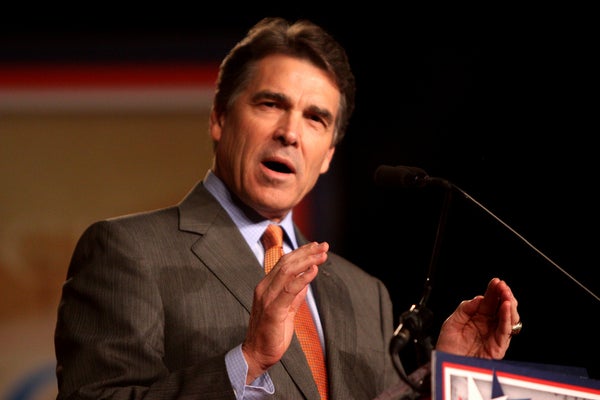
Energy Secretary Rick Perry commissioned the study in April to evaluate whether "regulatory burdens" imposed by past administrations, including that of former President Barack Obama, had hurt the grid by forcing shutdowns of baseload plants, which provide nonstop power, like those fired by coal and nuclear fuel.
Obama had introduced a raft of regulations intended to slash emissions of carbon dioxide, which are blamed for climate change. This accelerated the retirement of coal-fired power plants and bolstered the nascent solar and wind sectors, which depend heavily on weather conditions for their power output.
"It is apparent that in today’s competitive markets certain regulations and subsidies are having a large impact on the functioning of markets, and thereby challenging our power generation mix," Perry said in a letter introducing the study. "It is important for policy makers to consider their intended and unintended effects."
The study, conducted by the department's staff, said cheap natural gas was the main driver of the closure of baseload coal and nuclear plants, a trend that was putting areas of the country at greater risk of power outages. The department recommended giving baseload plants pricing advantages for their power, as well as making it easier and cheaper to get permits to build more such projects.
Howard Crystal, a spokesman for the Center for Biological Diversity which advocates for clean energy, called the recommendations "dangerously misguided.
"The reality is that we can protect our planet and our energy supplies by embracing wind and solar,” he said.
Some coal and nuclear energy groups welcomed the final report's findings.
"This is a much-needed, pragmatic look at U.S. electricity reliability and resilience, including the priority of maintaining critical clean baseload power as electricity markets change," said Rich Powell, director of ClearPath, which advocates for nuclear and hydropower.
Last week, Neil Chatterjee, the newly appointed chairman of the Federal Energy Regulatory Commission, said coal plants needed to be “properly compensated to recognize the value they provide to the system.”