

The following essay is reprinted with permission from The Conversation, an online publication covering the latest research.
The U.S. Drug Enforcement Administration issued a warning on Mar. 21, 2023, about an increase in trafficking of fentanyl adulterated with xylazine, which can increase the risk of overdosing on an already deadly drug. Xylazine is increasingly appearing within the U.S. supply of illicit opioids like fentanyl and heroin. The agency noted that it has seized mixtures of xylazine and fentanyl in 48 of 50 states.
On supporting science journalism
If you're enjoying this article, consider supporting our award-winning journalism by subscribing. By purchasing a subscription you are helping to ensure the future of impactful stories about the discoveries and ideas shaping our world today.
Xylazine, commonly referred to as tranq, is a drug adulterant – a substance intentionally added to a drug product to enhance its effects. Illicit drugmakers may include xylazine to prolong opioid highs or prevent withdrawal symptoms.
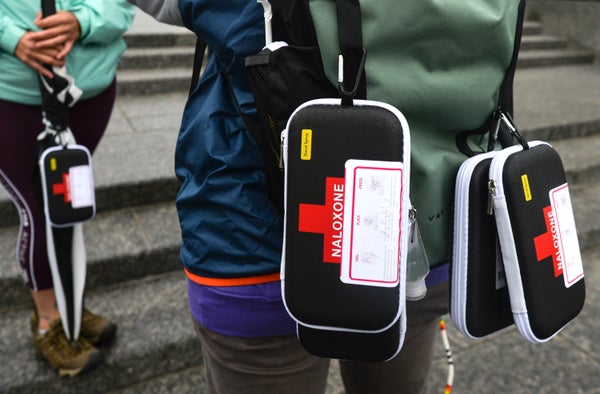
As a physician who cares for people who use fentanyl, I worry about the ways xylazine increases their risk for overdose. I worry even more that misunderstandings about xylazine can make bystanders less likely to administer the lifesaving drug naloxone (Narcan) during an overdose. If you suspect an overdose, calling emergency medical services and administering naloxone are still the critical first steps to saving a life.
Tranq overdoses and fentanyl
Xylazine was originally developed as a veterinary anesthesia. It was first identified as an adulterant in heroin supplies in the early 2000s. Although xylazine is not an opioid, it induces opioidlike effects, including sedation, slowed heart rate and small pupils, similar to the effects produced in people by its pharmaceutical cousin clonidine. Xylazine use is also associated with serious skin and soft tissue ulcers and infections.
The use of opioids with sedating medications like xylazine increases the risk of fatal overdose. Historically, people who use drugs have been unaware that xylazine is in the drug supply and are unable to tell whether they have been exposed to it. Routine hospital drug testing does not detect xylazine, further complicating surveillance.
Xylazine overdoses rarely occur in isolation. Xylazine detection in heroin- and fentanyl-associated deaths in Philadelphia has grown from less than 2% before 2015 to more than 31% in 2019. Similarly, one study of 210 xylazine-associated deaths in Chicago from 2017 to 2021 found that fentanyl or a chemically similar substance was detected in 99.1% of overdoses. This data underscores the key role that fentanyl plays in causing fatal overdoses in cases where xylazine is found, and anecdotal evidence suggests the problem is only increasing.
Naloxone and xylazine
Unfortunately, increasing awareness of xylazine has contributed to the myth of “naloxone-resistant” overdoses. Unlike overdoses with opioids only, patients experiencing xylazine-associated overdoses may not immediately wake up after naloxone administration. While naloxone may not reverse the effects of xylazine, it is still able to reverse the effects of the fentanyl it is often mixed with and should be used in all suspected opioid overdoses.
The critical goal of administering naloxone is to prevent patients from dying of dangerously low breathing rates. Bystanders who suspect an overdose should always call 911 to bring in experts in case treatment is required.
This article was originally published on The Conversation. Read the original article.