
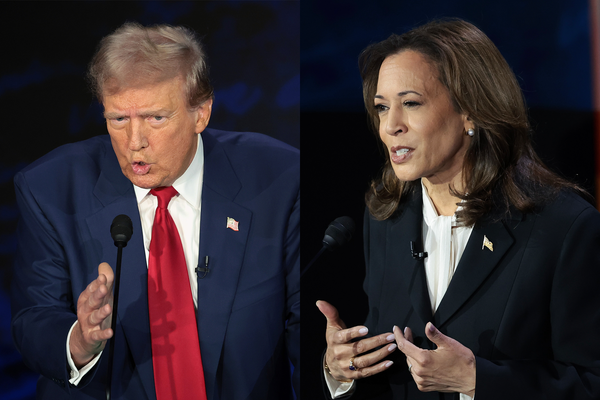
In election debates, language matters. So Scientific American reached out to a linguist for a professional analysis of the recent presidential and vice presidential debates.
Nicole Holliday is an acting associate professor of linguistics at the University of California, Berkeley, and a sociophonetician—someone who studies the relationship between language and social identity. Part of her research centers on political speech, and she’s writing a book about what it means to sound presidential. We previously spoke with Holliday on our podcast Science Quickly. In that episode, she talked about her work on the speaking style of current vice president and presidential candidate Kamala Harris, whom she has studied since 2019. In the videos below, Holliday identifies the interesting linguistic patterns of all the candidates.
ABC, Scientific American
On supporting science journalism
If you're enjoying this article, consider supporting our award-winning journalism by subscribing. By purchasing a subscription you are helping to ensure the future of impactful stories about the discoveries and ideas shaping our world today.
Breaking down Kamala Harris’s speech patterns in the recent presidential debate
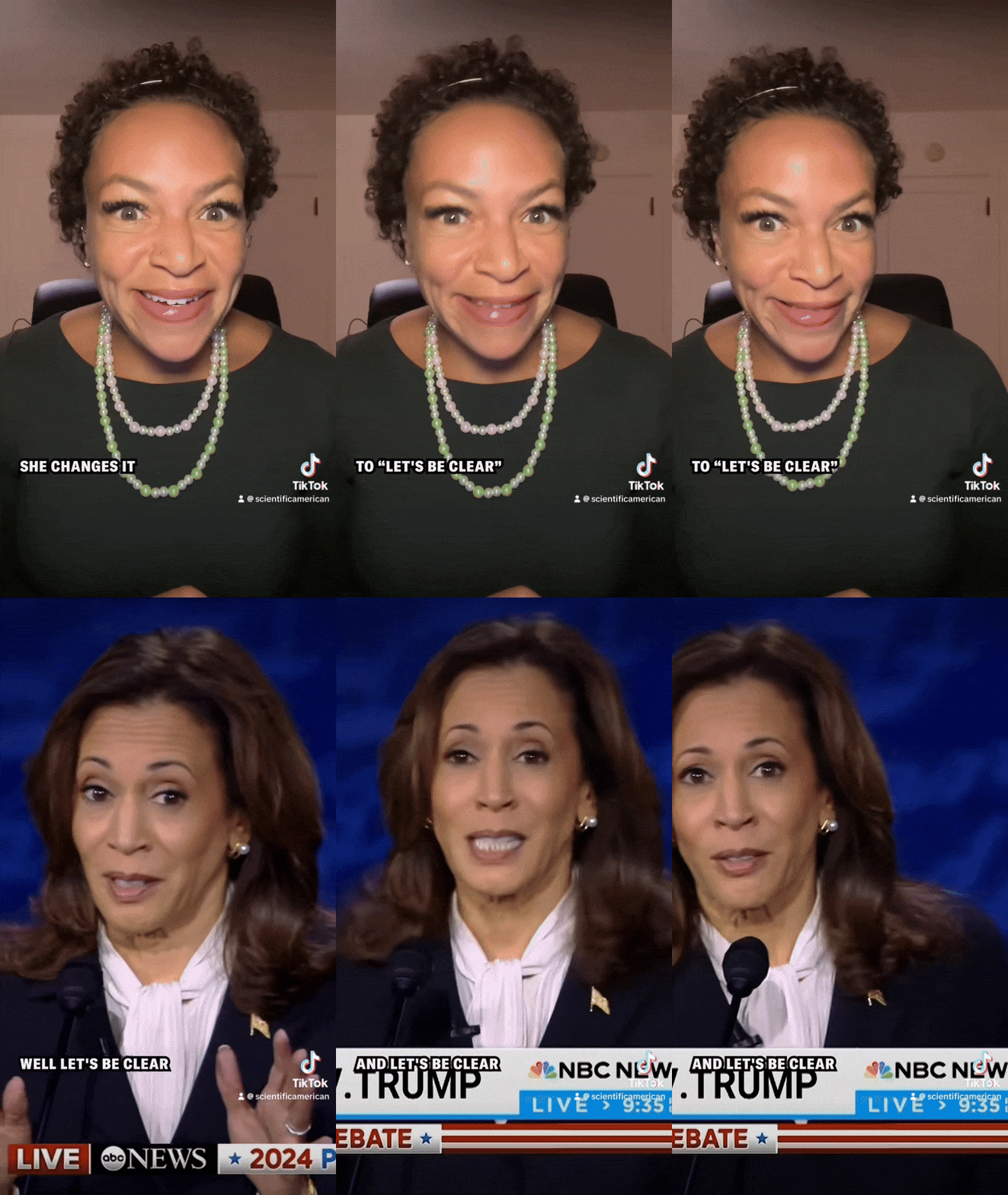
Throughout this election cycle, Holliday has noticed Harris sounding more formal, polished and “traditionally presidential.” In September’s presidential debate, Harris even borrowed a phrase from former president Barack Obama when she adapted his famous refrain “let me be clear” to her own “let’s be clear.” But Holliday points out that although Harris has taken on a more mainstream way of speaking, particularly on issues such as the economy and immigration, she still exhibits features of African American English when she talks about more personal subjects such as race and women’s rights. In this video Holliday explains how Harris still sounded like herself in the debate, just doing so “in the model of a presidential speaker.”
ABC, Scientific American
Trump’s New York accent might come out when he feels threatened
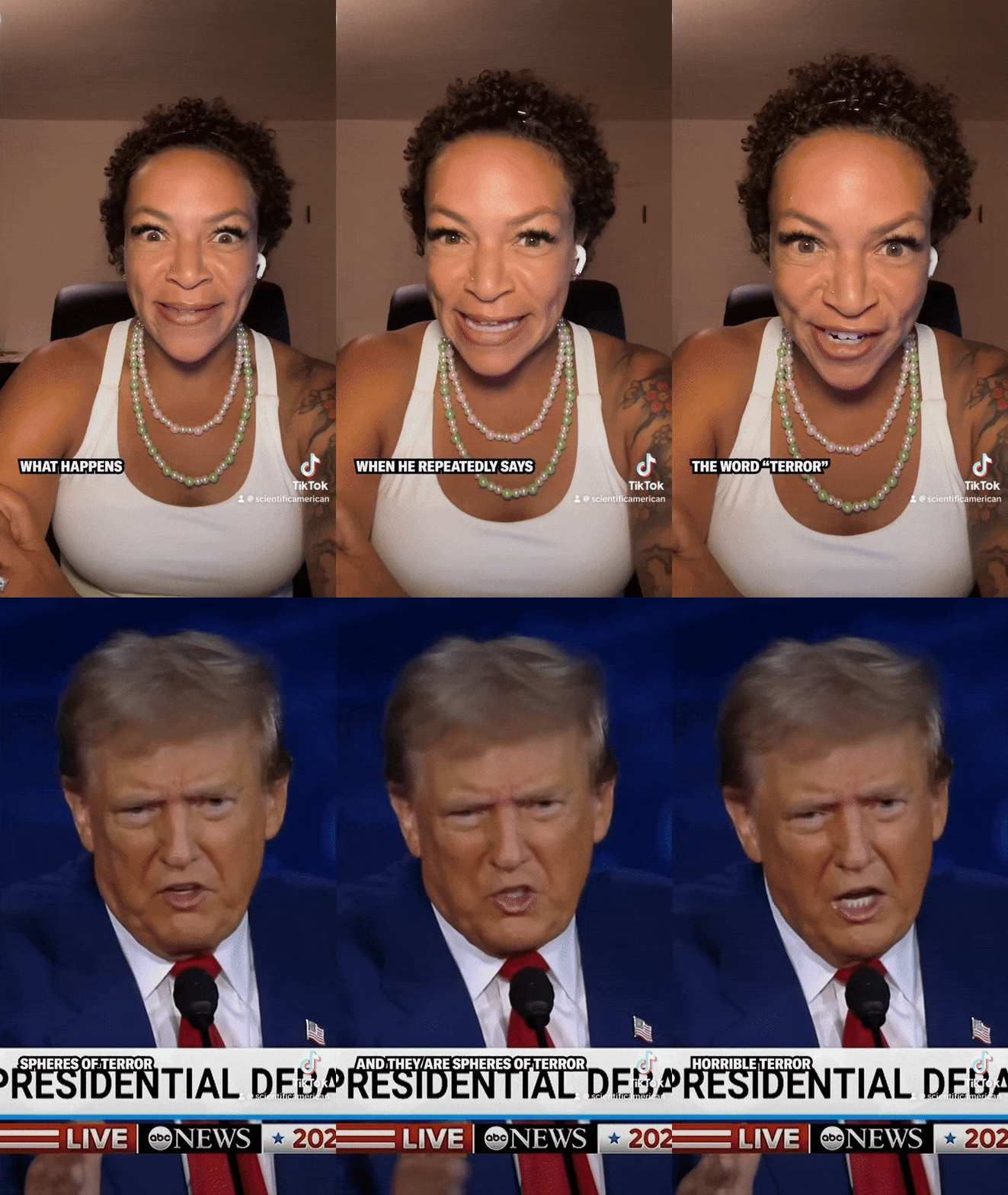
Presidential candidates often drop some of their regional accents and adopt more mainstream features in order to sound more formal or presidential, Holliday explains. Both Harris and former president Donald Trump do this to varying degrees. But sometimes that “sociolinguistic monitor” slips, and a candidate’s accent comes through more strongly. This happened in the presidential debate, when Trump repeatedly pronounced terror as “terr-ah” and horrible as “harrible.” In this video, Holliday explains a theory for why this happened based on a tactic used in linguistic research.
Scientific American
How the vice presidential candidates tried to “out-Midwestern” each other in their recent debate
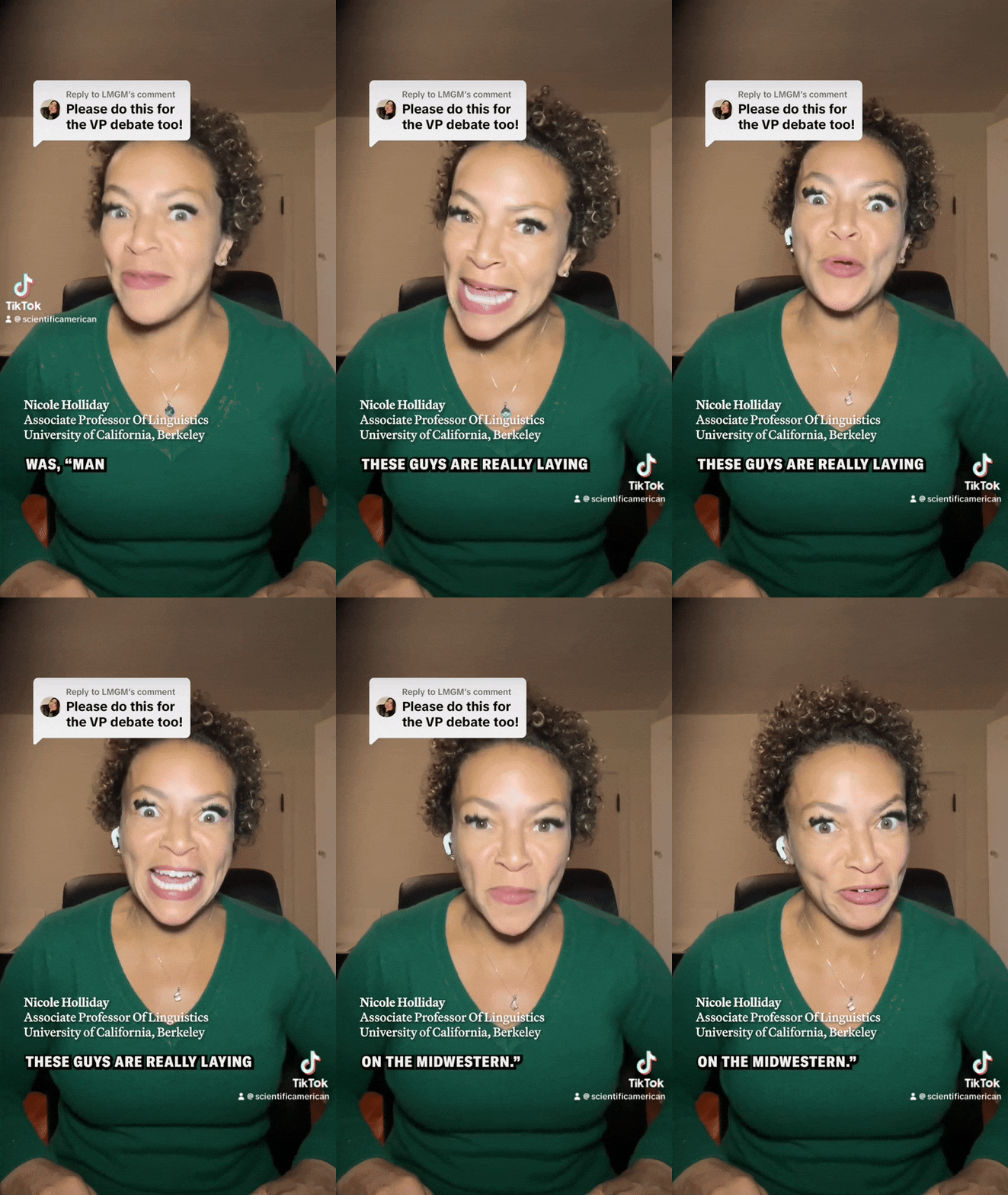
In the vice presidential debate Senator J. D. Vance of Ohio and Governor Tim Walz of Minnesota both leaned heavily into their Midwestern identity, Holliday says. They employed a classic Midwestern congeniality, often called “Minnesota nice,” and repeatedly referred to their humble middle-American upbringing. In contrast to their running mates—a billionaire from New York City and a woman of color from California, respectively—Walz and Vance are both seen as more “default,” Holliday says, and the vice presidential candidates aimed to reinforce that “regular guy” status through their language in the debate.
Scientific American
How word choices reflect our political leanings
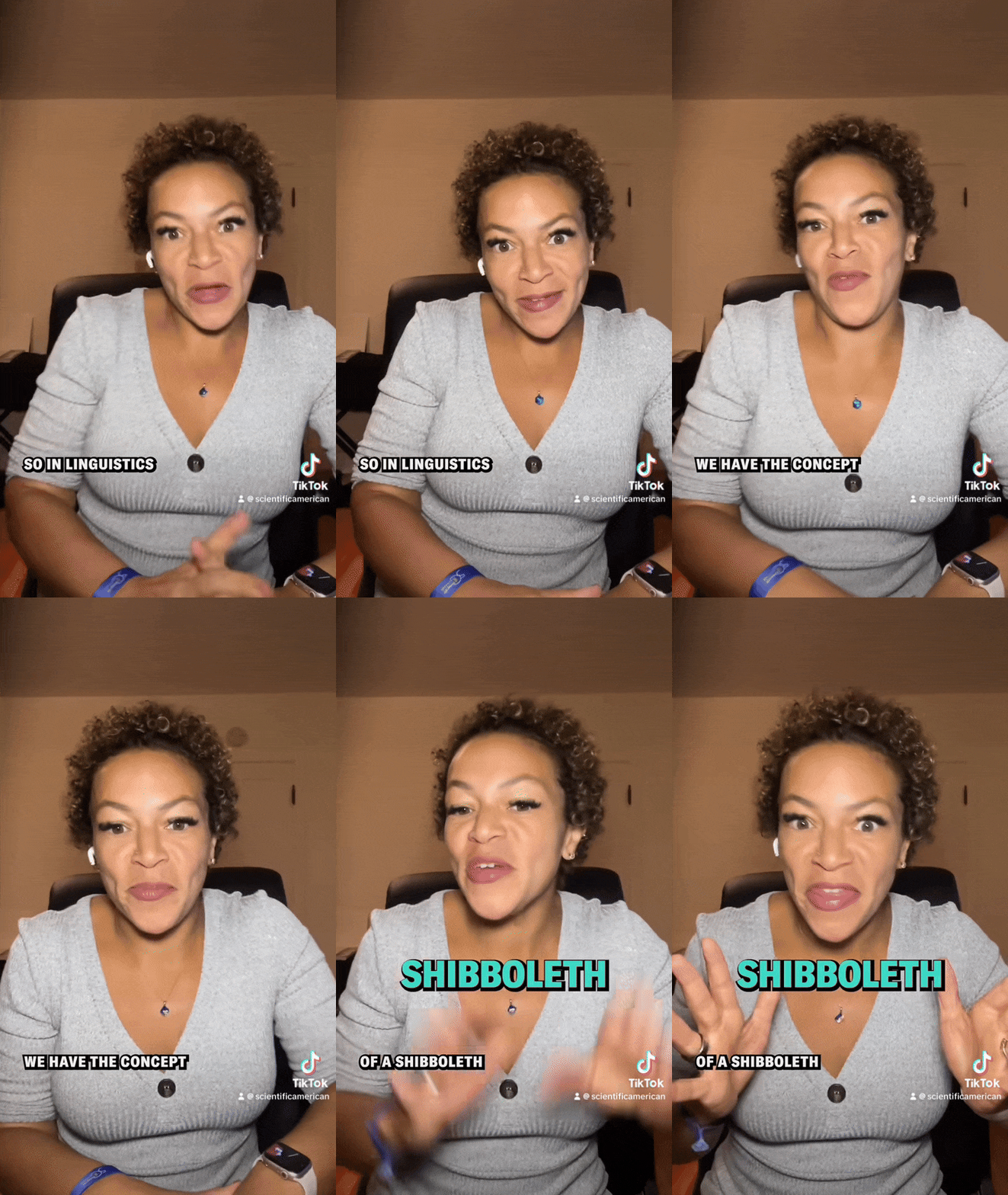
People can live in very different linguistic worlds, depending on their political leanings and media environment, Holliday explains in this video. She introduces us to a linguistic phenomenon called a “shibboleth,” which is a word, phrase or pronunciation that distinguishes one group from another. Particular terms used by Vance in the vice presidential debate, such as “illegal aliens” and “criminal migrants,” are shibboleths that signal his political alignment.