
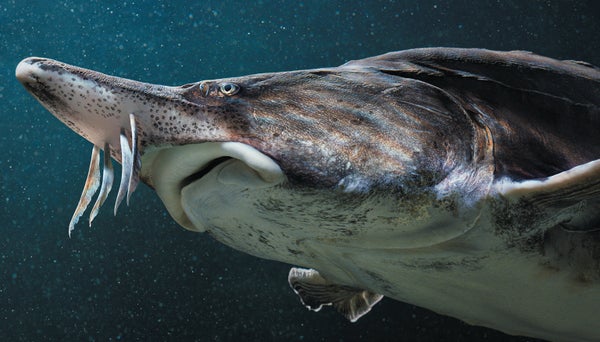
Endangered
Photographs by Tim Flach. Text by Jonathan Baillie.
Abrams Books, 2017 ($65)
We have entered into the sixth great extinction of the earth's species, according to many biologists. The previous five were caused by natural events—meteorite impacts and global temperature change—but this latest is decidedly human-generated, primarily through habitat destruction. Around 20 percent of all species on the planet are now threatened with extinction. In this collection (with descriptions by conservationist Baillie), photographer Flach captures the personality and character of some of the earth's most threatened denizens. He looks into the eyes of the very last male northern white rhino; captures a curled-up pangolin—the most heavily trafficked mammal in the world; and immortalizes a pair of red-crowned cranes in the throes of their graceful mating dance. Each image is a reminder of all we could lose if we don't stand up for these creatures.
Code Girls: The Untold Story of the American Women Code Breakers of World War II
by Liza Mundy.
Hachette Books, 2017 ($28)
On supporting science journalism
If you're enjoying this article, consider supporting our award-winning journalism by subscribing. By purchasing a subscription you are helping to ensure the future of impactful stories about the discoveries and ideas shaping our world today.
A group of Wellesley College students answered two questions for the chance at a secret job for the U.S. Navy in 1941: Did they like crossword puzzles, and were they engaged to be married? If the answers were “yes” and “no,” respectively, they made it into a classified training course that, if they passed, led to a job in Washington, D.C. Those two questions were one way to join the roughly 11,000 American women who ultimately worked as government code breakers during World War II. They deciphered intercepted enemy communications and aided the Allies in encoding their own missives. Journalist Mundy tells the story of the female cryptanalysts, who, she argues, made a vital difference between winning and losing for the Allies. —Clara Moskowitz
A Brief History of Everyone Who Ever Lived: The Human Story Retold through Our Genes
by Adam Rutherford.
The Experiment, 2017 ($25.95)
Geneticist and writer Rutherford takes a sweeping new view of the human evolution story, using the latest science of DNA as the central guide. The tale begins with our early ancestors—where they traveled and with whom they consorted. He covers the evolution of unique human traits—red hair, lactose tolerance—and delves into the genetics of historical celebrities—Richard III and Jack the Ripper, to name two. Some stories are still playing out. Scientists are hunting for genes that code for behavioral traits. So far the search has been futile. Remaining mysteries notwithstanding, one truth from the human genetic code: all people on earth, to some degree, are distant cousins.
