OpinionNovember 4, 2019
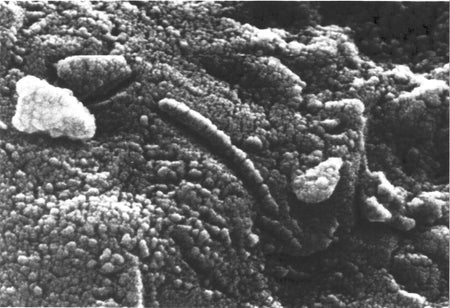
Did Life from Earth Escape the Solar System Eons Ago?
There’s no proof that it happened—but it’s not impossible
Avi Loeb is the head of the Galileo Project, director of the Institute for Theory and Computation at the Center for Astrophysics | Harvard & Smithsonian, founding director of Harvard University’s Black Hole Initiative, and the former chair of the Harvard astronomy department (2011-2020). He is a former member of the President’s Council of Advisors on Science and Technology and a former chair of the Board on Physics and Astronomy of the National Academies. He has published more than a thousand peer-reviewed papers and is the bestselling author of Extraterrestrial and Interstellar and a co-author of the textbooks Life in the Cosmos and The First Galaxies in the Universe.
Did Life from Earth Escape the Solar System Eons Ago?
There’s no proof that it happened—but it’s not impossible

Science Is Not about Getting More “Likes”
Extraordinary groupthink leads to extraordinary ignorance
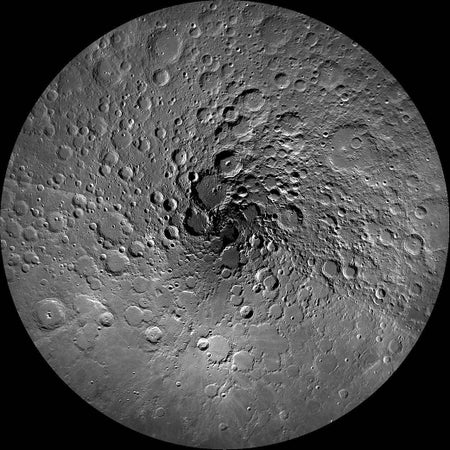
The Moon as a Fishing Net for Extraterrestrial Life
Its surface could, in principle, preserve the remains of organisms or even technology from beyond our solar system

The Only Thing That Remains Constant Is Change
What's true for our own lives is also true for the universe
A Scientist Must Go where the Evidence Leads
When our cherished ideas are contradicted by the facts, we must avoid the human tendency to double down on those ideas
Who Should Pay for “Moon Shots”?
The federal government must step up funding of science and technology R&D
It Takes a Village to Declassify an Error Bar
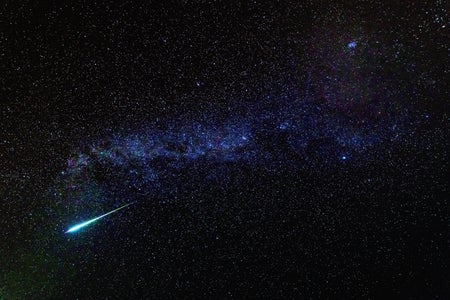
Identifying an interstellar meteorite—‘Oumuamua’s cousin—required a national-security waiver
In Search of Green Dwarfs
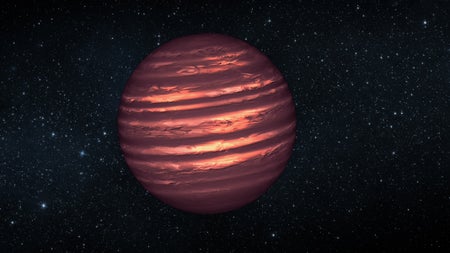
A new idea in the quest to find life beyond Earth
Should Scientists Keep Their Private Debates Private?
No—the give-and-take that happens behind the scenes is an essential part of the scientific process
'Oumuamua's Cousin?
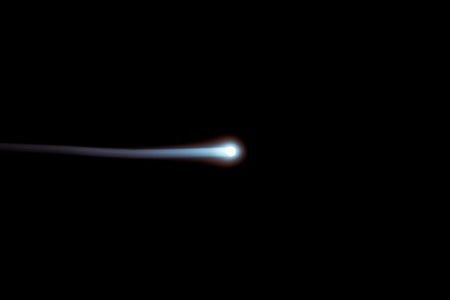
A search of a meteor-detection archive reveals a possible second interstellar visitor

When Lab Experiments Carry Theological Implications
Efforts to create new life-forms—and new universes—will raise profound questions

How to Keep Scientific Innovation Alive
Thinking outside the box is as important for science as it is for a business start-up

The Humanities and the Future
Our descendants’ lives will be intertwined with advanced technologies—and that will revitalize non-technological disciplines such as philosophy
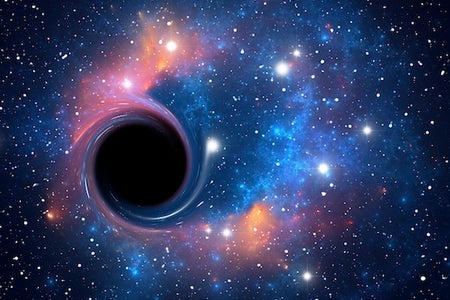
Living Near a Supermassive Black Hole
It would pose some dangers, of course—but it could also be fun!
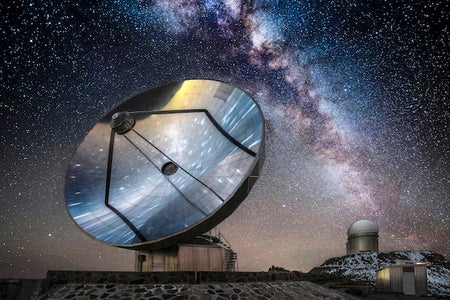
Are We Really the Smartest Kid on the Cosmic Block?
It’s unlikely, and if we keep thinking otherwise, we might be missing some important clues about the existence of extraterrestrial life
Be Kind to Extraterrestrials
We need to tread lightly if we encounter alien ecosystems

Advanced Extraterrestrials as an Approximation to God
Our first encounter with E.T. technology could be as baffling to us as a smartphone would have been to a Neandertal
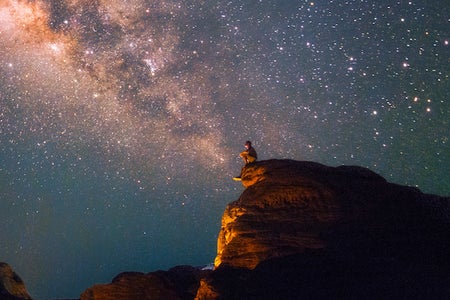
Our Future in Space Will Echo Our Future on Earth
A spacefaring civilization can be expected to transform its home planet
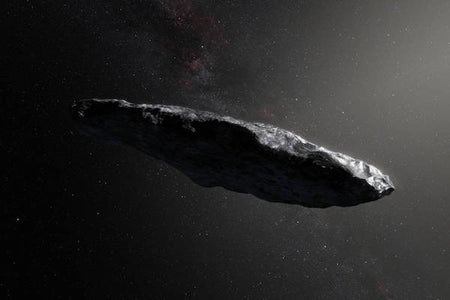
How to Approach the Problem of 'Oumuamua
The first interstellar object ever found provides an excellent test of the scientific process
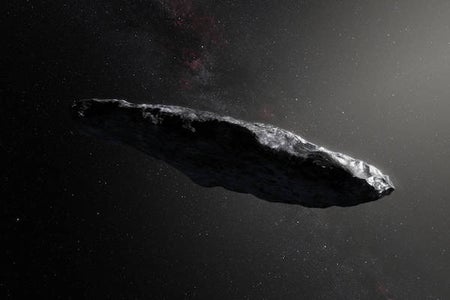
6 Strange Facts about the Interstellar Visitor 'Oumuamua

Seeking the Truth When the Consensus Is against You
You should always listen to the experts—except when you shouldn’t

Making the Church Taller
We should not accept our notions of reality as given, but always make them better
How to Search for Dead Cosmic Civilizations
If they’re short-lived, we might be able to detect the relics and artifacts they left behind

The Fate of Free Will: When Science Crosses Swords with Philosophy
In some domains the two knowledge systems are complementary, but in others they might be headed for conflict