
BiologyJune 21, 2018
Scientists Pinpoint Brain Region That May Be Center of Alcohol Addiction
Researchers map out a cellular mechanism that offers a biological explanation for alcoholism, and could lead to treatments
Bret Stetka was a writer based in New York City and editorial director of Medscape Neurology (a subsidiary of WebMD). His work appeared in Wired, NPR and the Atlantic. He graduated from the University of Virginia School of Medicine in 2005. Stetka died in 2022.
Scientists Pinpoint Brain Region That May Be Center of Alcohol Addiction
Researchers map out a cellular mechanism that offers a biological explanation for alcoholism, and could lead to treatments
That Vision Thing: New AI System Can Imagine What It Hasn't Seen
Scientists have developed machine-learning that can teach itself to visualize a three-dimensional scene from unobserved angles

Babies Think Logically Before They Can Talk
A new study shows language is not a prerequisite for some basic reasoning
A Big Step toward a Blood Test for Alzheimer's
A simple technique to gauge brain levels of a toxic protein could improve diagnosis and drug trials

Cocktail of Brain Chemicals May Be a Key to What Makes Us Human
A study that compares us with other primates finds a brain region linked to social behavior that may offer a biological explanation for why humans, not chimps, produced Shakespeare, Gandhi and Einstein
The Neuroscience of Changing Your Mind
New findings suggest it is more complicated than scientists thought

Steven Pinker: This Is History's Most Peaceful Time--New Study: "Not So Fast"
War deaths have increased dramatically in the modern era, new research contends, despite other statistics that suggest the risks of becoming a victim of violence have lessened
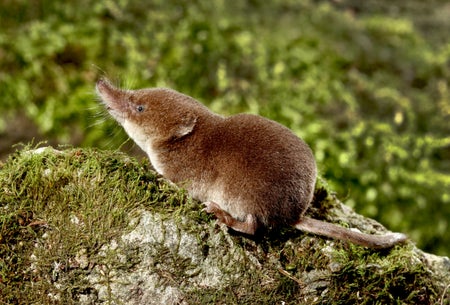
Small-Minded Strategy: The Common Shrew Shrinks Its Head to Survive Winter
The startling change may help conserve energy

Where's the Proof That Mindfulness Meditation Works?
The ubiquitous technique for relieving stress and pain has remarkably little scientific evidence backing it, a group of scientists contend

Extended Adolescence: When 25 Is the New 18
It is a common grumble that children grow up too fast. No more. Teens are in no hurry to embrace the putative joys of adulthood
Mind over Meal: Does Weight-Loss Surgery Rewire Gut–Brain Connections?
New evidence hints that bariatric surgery changes the dialogue between bowel and brain
Monkeys Have a Specialized Brain Network for Sizing Up Others’ Actions
Neural circuitry lets macaques figure out what's going on in social interactions
Curiouser and Curiouser--Octopus's Evolution Is Even Stranger Than Thought
Cephalopods adapt to changing water temperatures by altering their RNA more often than their DNA, according to a new study
Food for Thought: Do We Owe Our Large Primate Brains to a Passion for Fruit?
A new study suggests our outsize brains may have arisen from scouring for and eating kumquats and kiwis
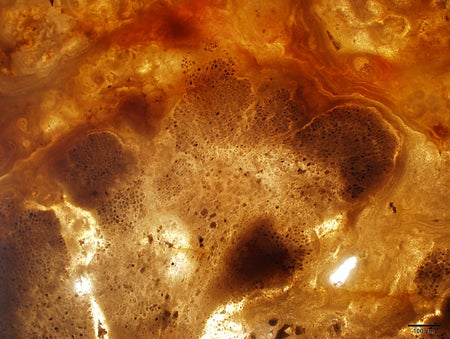
Complex Life Could Be Vastly Older Than Thought
New algae fossil discovery may reset the evolutionary time line
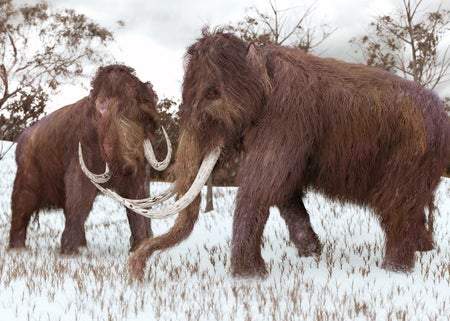
See-Through Hair and Awkward Sexual Problems: The Woolly Mammoth’s Bitter End
After genetic meltdown the last of the species died a lonely death, languishing on a windswept island tundra and unable to attract mates with the scent of its urine
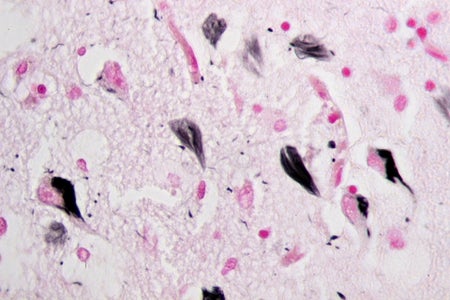
New DNA-Like Drugs Show Promise in Treating Alzheimer’s
The small molecules cleared and prevented tau buildup in mice and monkeys
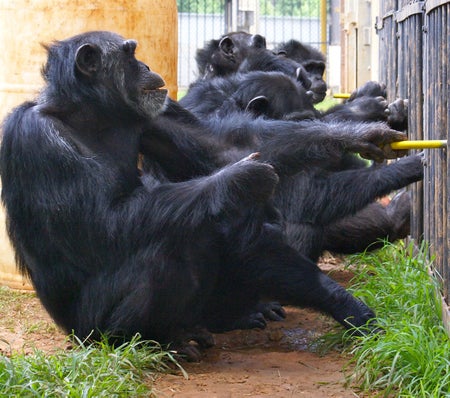
Like Humans, Chimps Reward Cooperation and Punish Freeloaders
Recent research challenges the notion that our closest animal relatives don’t like working as a team
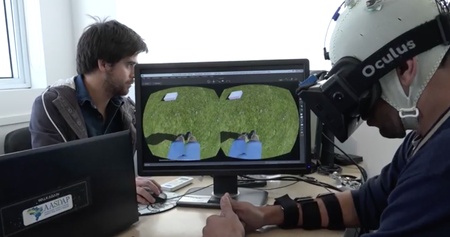
Mind-Controlled Robo-Skeleton Enables Paraplegics to Regain Some Motion
Researchers were surprised when brain–machine interfaces resulted in paralyzed patients’ recovery of long-lost sensation and muscle control

Have We Reached the Athletic Limits of the Human Body?
Record-breaking has slowed, but science could find new ways to make us keep getting stronger and faster
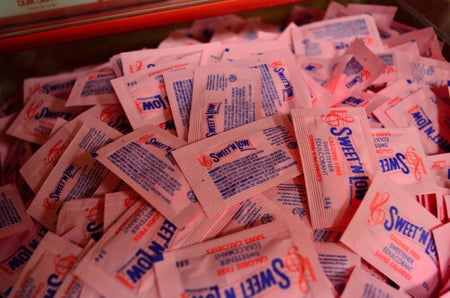
How Artificial Sweeteners May Cause Us to Eat More
Like a freshly cracked diet soda, suspicions have been fizzing away for years that artificial sweeteners may not be the best way to slim down

Monkeys Turn into Grumpy Old Men, Too
Old monkeys, like old humans, would rather not make new friends

How to Coach Like an Olympian
Winners embrace a psychologically nuanced approach to motivating athletes

Do Vitamins and Supplements Make Antidepressants More Effective?
Fish oil, vitamin D and other nutrients appear to raise the potency of medication