Public HealthApril 30, 2021
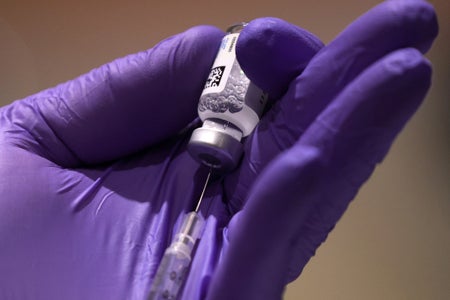
Few Would Fear COVID Vaccines if Policy Makers Explained Their Risks Better
Clear messaging and transparency are vital, say some experts on risk assessment and decision-making
Claudia Wallis is an award-winning science journalist whose work has appeared in the New York Times, Time, Fortune and the New Republic. She was science editor at Time and managing editor of Scientific American Mind.
Few Would Fear COVID Vaccines if Policy Makers Explained Their Risks Better
Clear messaging and transparency are vital, say some experts on risk assessment and decision-making

COVID Showed How Trials for New Drugs Could Be Faster and Better
The pandemic has spotlighted ways to make clinical trials easier on patients and better for science, a heart drug researcher says
At Last, Some Help for Meth Addiction
Studies show that a behavioral treatment works well and that two medications may also be useful
7 Ways to Reduce Reluctance to Take COVID Vaccines
Trusted messengers and repeated reminders can overcome hesitancy, social science shows
Unraveling the Complex Link between COVID and Diabetes
Infection with the pandemic-causing virus seems to trigger diabetes in some patients. Here are five plausible explanations as to why
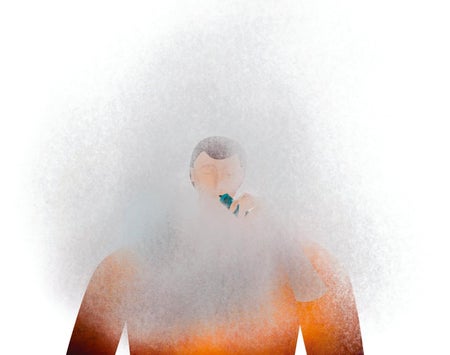
A COVID Look-alike That Strikes Young Adults
A dangerous lung illness stems from substandard vape liquids
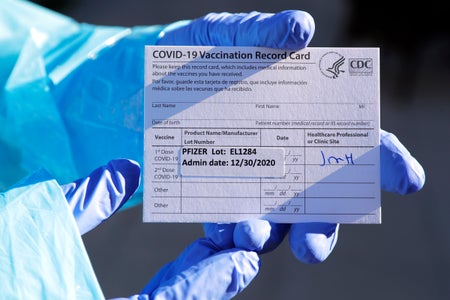
The Best Evidence for How to Overcome COVID Vaccine Fears
Social science offers valuable lessons about ways to convince those who are hesitant about the shots
Is 70 Really the New 60?
People are aging better but not across the board. Education makes a dramatic difference
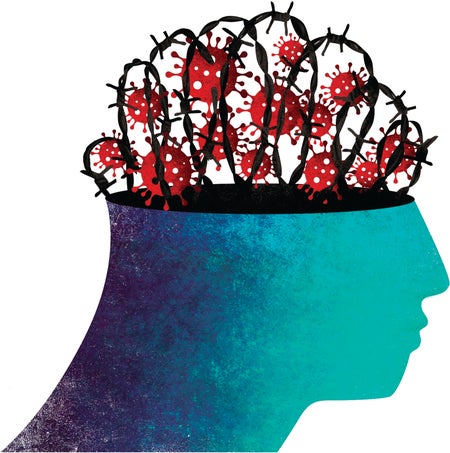
The Surprising Mental Toll of COVID
The rise in depression and anxiety is even worse than expected, especially among young adults
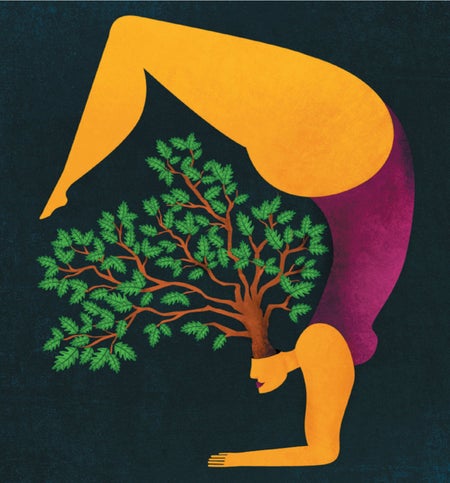
Yoga May Bolster the Brain Regions Most Affected by Aging
Brain-scan studies hint that the ancient practice may benefit areas associated with memory, emotion and thinking
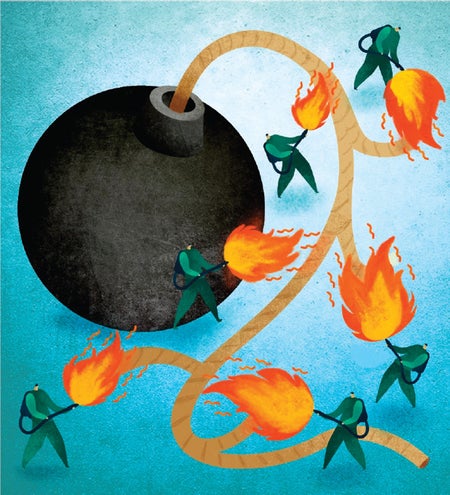
Deadly Spread of Some Cancers May Be Driven by a Common Mouth Microbe
An ordinary bacterium can trigger changes in some primary tumors that lead to dangerous metastasis
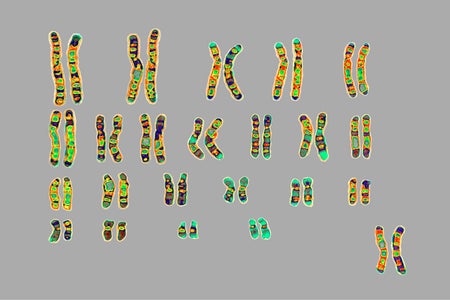
One in Seven Dire COVID Cases May Result from a Faulty Immune Response
Two new studies link some severe infections to genetics and an autoimmune reaction that attacks the body’s own defenses

When Politics Distorts Science
Shocking levels of interference at the CDC and HHS threaten public faith in our most reliable public health institutions

How Good a Diet Is Intermittent Fasting?
The popular fasting diet regimen can work well for weight loss, but many other claims about its benefits remain to be proved

Why Some People Get Terribly Sick from COVID-19
Beyond factors such as age and sex, underlying aspects of biology and society influence disease severity

Another Tragic Epidemic: Suicide
Suicide rates have been rising for two decades in the U.S. Will the pandemic make things worse?
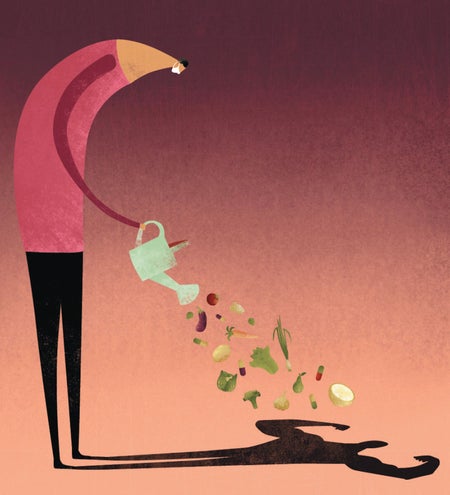
How to boost your immunity
Some simple, practical steps can raise your resistance to viruses
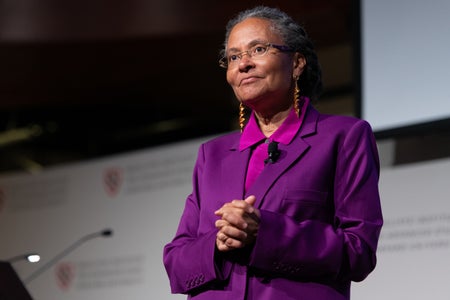
Why Racism, Not Race, Is a Risk Factor for Dying of COVID-19
Public health specialist and physician Camara Phyllis Jones talks about ways that jobs, communities and health care leave Black Americans more exposed and less protected
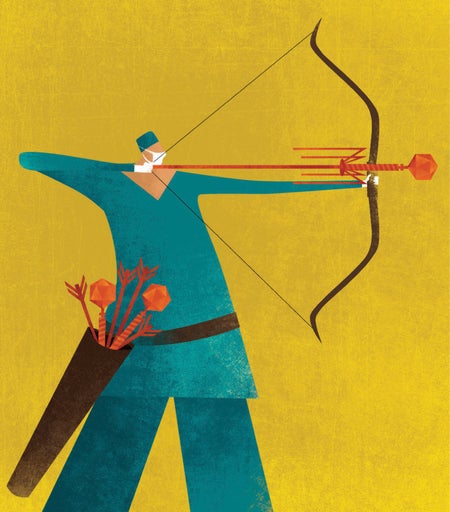
The Virtuous Side of Viruses
As drug-resistant superbugs spread, researchers are turning to microbes that kill bacteria

The Morally Complex Mix of Euthanasia and Organ Donation
Canada’s recent experience with terminally ill patients is instructive
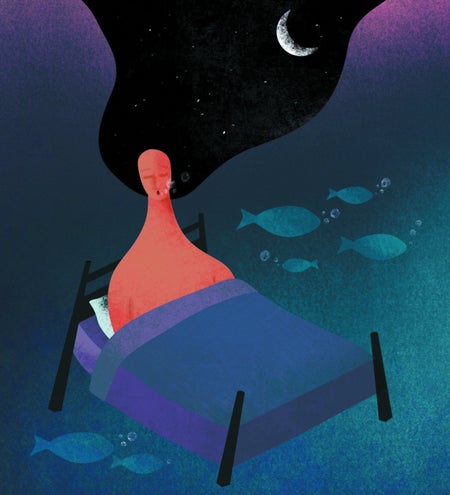
Sleep Apnea Is Different for Women
The risky disorder often follows a different pattern in women that may get overlooked

Life in the Containment Zone
What it’s like in New Rochelle, N.Y., the site of the state’s biggest coronavirus outbreak
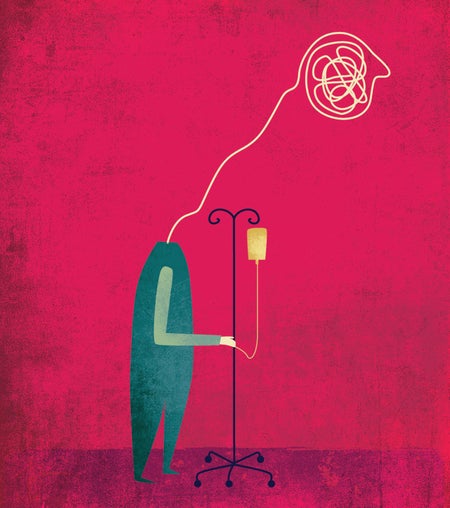
It’s Time to Take Delirium Seriously
The most common complication of hospitalization for older patients can often be prevented
The Case for Fewer Heart Procedures
For some of the most common cardiac conditions, medication is a solid alternative