NeuroscienceSeptember 19, 2017
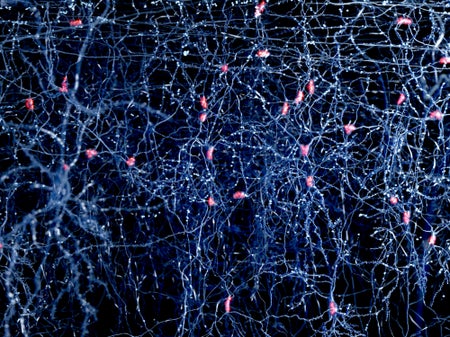
Researchers Unite in Quest for “Standard Model” of the Brain
Modeled on big physics projects, International Brain Lab will bring together preeminent neuroscientists to probe a single behavior
First published in 1869, Nature is the world's leading multidisciplinary science journal. Nature publishes the finest peer-reviewed research that drives ground-breaking discovery, and is read by thought-leaders and decision-makers around the world.
Researchers Unite in Quest for “Standard Model” of the Brain
Modeled on big physics projects, International Brain Lab will bring together preeminent neuroscientists to probe a single behavior

Seismologists Stumped by Mystery Shock after North Korea Nuclear Test
A second jolt felt minutes after this month's detonation continues to confound researchers

The New Economy of Excrement
Entrepreneurs are finding profits turning human waste into fertilizer, fuel and even food

Massive Genetic Study Shows How Humans are Evolving
Analysis of 215,000 people's DNA suggests variants that shorten life are being selected against

Bacterial “Aphrodisiac” Sends Single-Celled Organism into Mating Frenzy
Researchers surprised to observe bacterial protein triggering a switch from asexual to sexual behavior

Budget Battle Looms for U.S. Science Programs
Competing spending priorities in the House and Senate could push funding negotiations into December

Trump Finally Nominates a New Leader for NASA
James Bridenstine, a member of Congress, has long pushed for the U.S. to return to the moon

Doubts Raised about Gene-Editing Study in Human Embryos
Alternative explanations challenge whether CRISPR–Cas9 technique actually fixed a genetic mutation as claimed
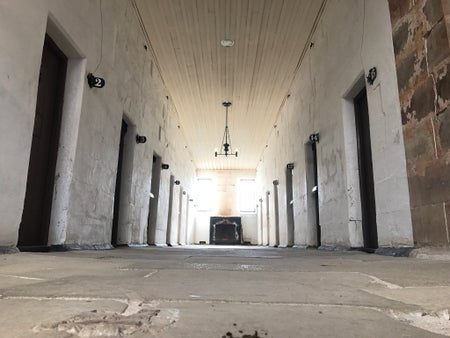
Nature Videos Help to Calm Inmates in Solitary Confinement
Controversial experiment ignites debate over whether scientific work could be used to justify harsh prison tactics

Skeleton Plundered from Mexican Cave Was One of the Americas' Oldest
Rock-encased bone shard left behind by thieves allowed researchers to determine that the remains are probably more than 13,000 years old
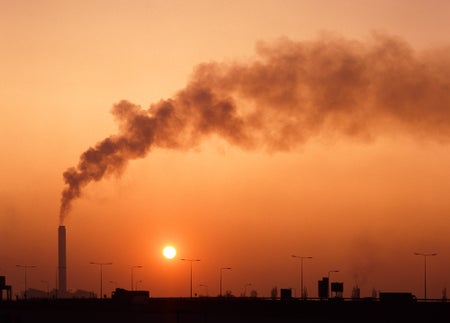
U.S. Energy Agency Asked Scientists to Scrub References to Climate Change
Researchers were told to censor descriptions of projects funded by a Department of Energy laboratory
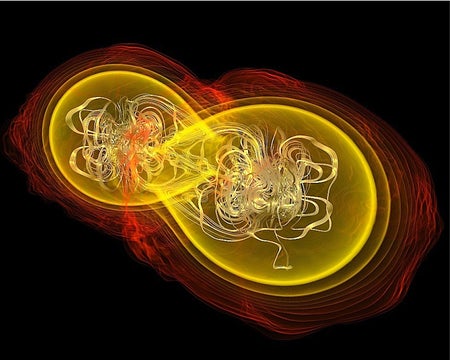
Rumors Swell over New Kind of Gravitational Wave Sighting
Gossip over colliding neutron stars has astronomers in a tizzy
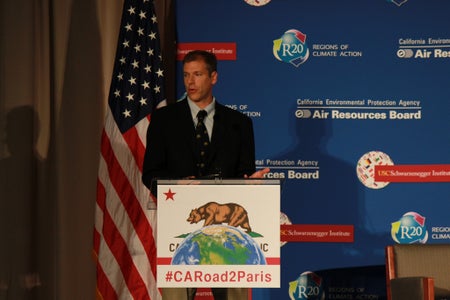
U.S. Science Envoy Resigns to Protest Trump Policies
Energy researcher Daniel Kammen faults president's positions on climate change, energy and his failure to condemn white supremacists
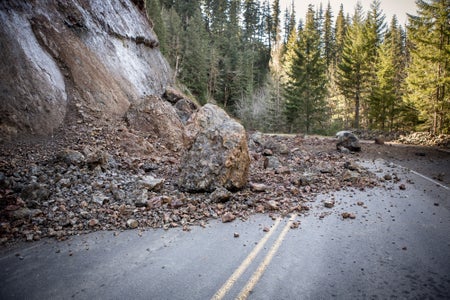
Creeping Earth Could Hold Secret to Deadly Landslides
Scientists investigate why mountain slopes can slip slowly for years and then suddenly speed up, with potentially fatal effects
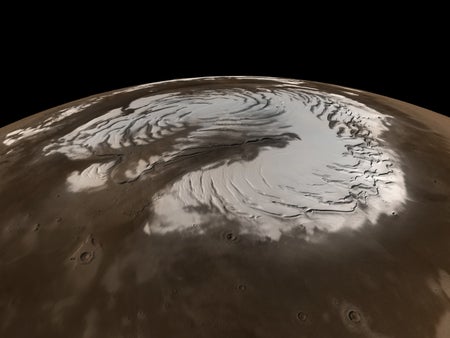
Martian Weather Kicks into High Gear at Night
Sundown sparks blustery snowstorms in the Red Planet’s lower atmosphere
How Machine Learning Could Help to Improve Climate Forecasts
Mixing artificial intelligence with climate science helps researchers to identify previously unknown atmospheric processes and rank climate models
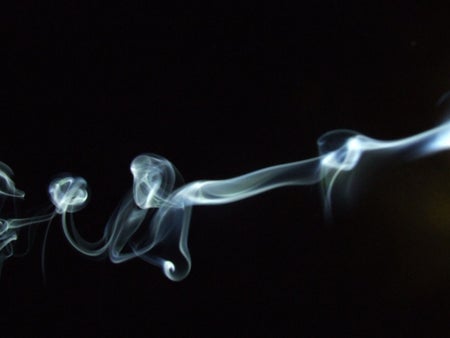
Mysteries of Turbulence Unraveled
Simulations follow how swirls in a fluid transfer and dissipate energy
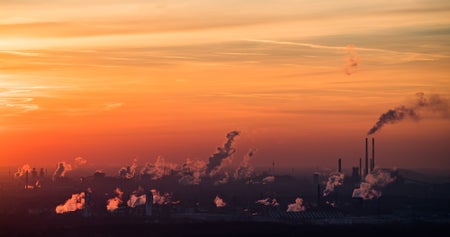
U.S. Government Disbands Climate-Science Advisory Committee
Panel sought to help businesses and state and local governments prepare for effects of warming
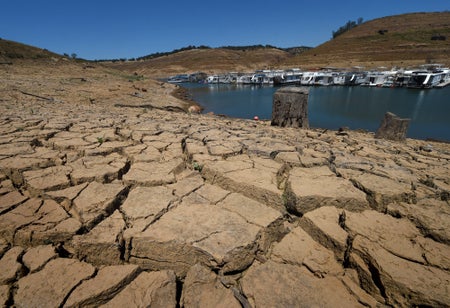
California Scientists Push to Create Massive Climate Research Program
Effort backed by the state’s flagship universities comes as US President Donald Trump shrugs off global warming
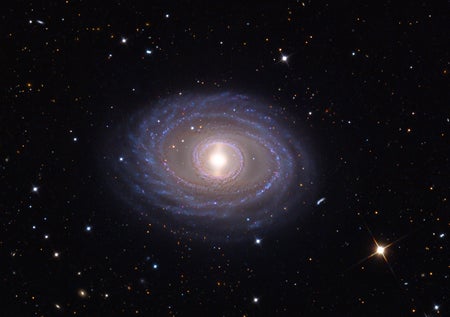
Cosmic Map Reveals a Not-So-Lumpy Universe
Odd results could still be consistent with the Standard Model of cosmology
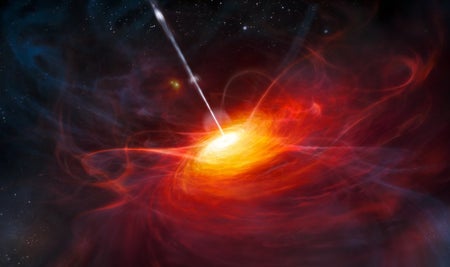
Clues Emerge in Mystery of Flickering Quasars
Some of the universe's most luminous objects have disappeared much faster than expected

“True Blue” Chrysanthemum Flowers Produced with Genetic Engineering
Scientists added two genes to the plant's genome to get the new hue
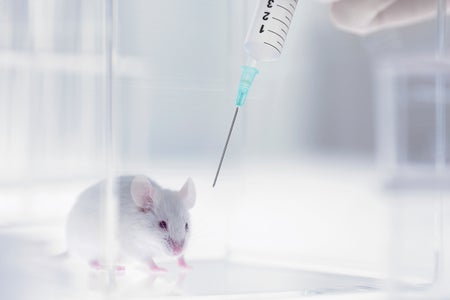
Brain’s Stem Cells Slow Aging in Mice
Transplanted cells offer middle-aged rodents an increased life span
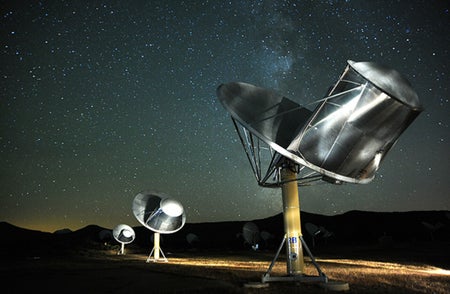
Giant Radio Telescope Scaled Back to Contain Costs
Crowding antennas closer together may affect the Square Kilometer Array's ability to observe the early Universe