The UniverseSeptember 18, 2026
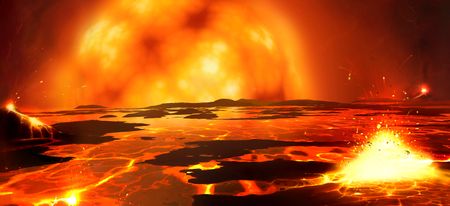
The life and death of the sun
Our sun is on a long, strange trip to its eventual demise. Here are the key stops along the way
Phil Plait is a professional astronomer and science communicator in Virginia. His column for Scientific American, The Universe, covers all things space. He writes the Bad Astronomy Newsletter. Follow him online.
The life and death of the sun
Our sun is on a long, strange trip to its eventual demise. Here are the key stops along the way
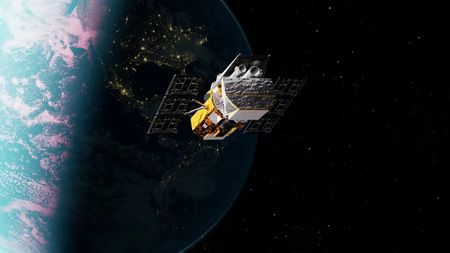
A mighty space telescope is dying. Here’s why it mattered
NASA’s formidable gamma-ray burst hunter is doomed to soon reenter Earth’s atmosphere, leaving a glaring gap in our view of the high-energy sky
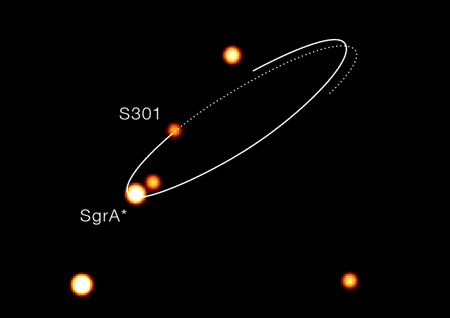
The strangest sky in the galaxy
The newfound star S301 orbits the Milky Way’s supermassive black hole so closely that its view of the heavens gets twisted
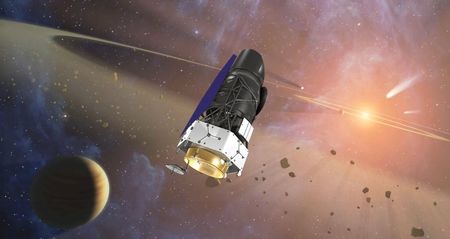
To see exoplanets, NASA’s Roman Space Telescope will throw shade on stars
NASA’s newest major observatory will include the most advanced planet-imaging tech ever flown in space. Here’s how it works
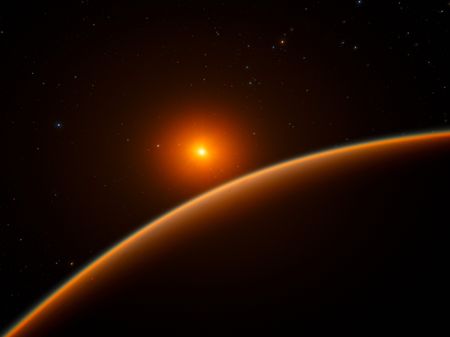
Can we stop calling exoplanets ‘Earth-like,’ please?
Claiming an exoplanet to be “Earth-like” is a trend that needs to bite the dust
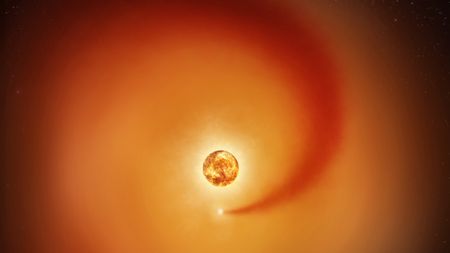
What happens when Betelgeuse blows its top?
Betelgeuse, the sky’s most famous red supergiant, is well studied but poorly understood
How a sheet of paper can take you to the moon
Folding a piece of paper makes it thicker. How many folds would it take to reach the moon—and beyond?
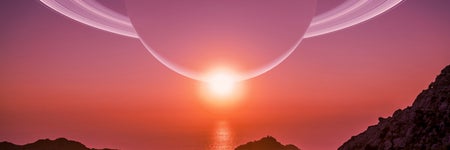
Surf’s up! Here’s how to ride the waves on Saturn’s moon Titan
Lakes of liquid methane on Titan, Saturn’s largest moon, could offer exhilarating—and terrifying—opportunities for otherworldly surfing
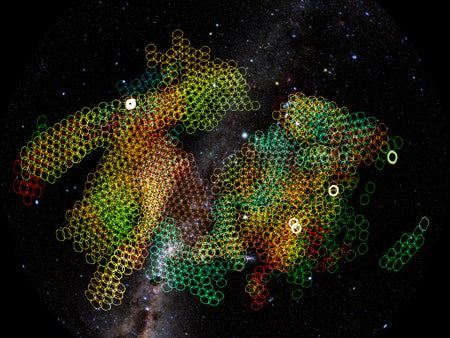
This decade-long ‘movie’ of the sky will be revolutionary
Using the new Vera C. Rubin Observatory, astronomers are beginning the largest and deepest survey of the sky. What will they see?
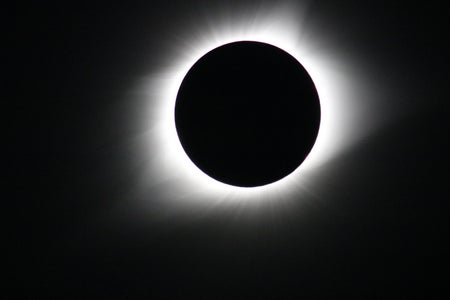
Is there a ‘best’ solar eclipse?
Duration, location, aviation: What makes the best possible view of a total solar eclipse?
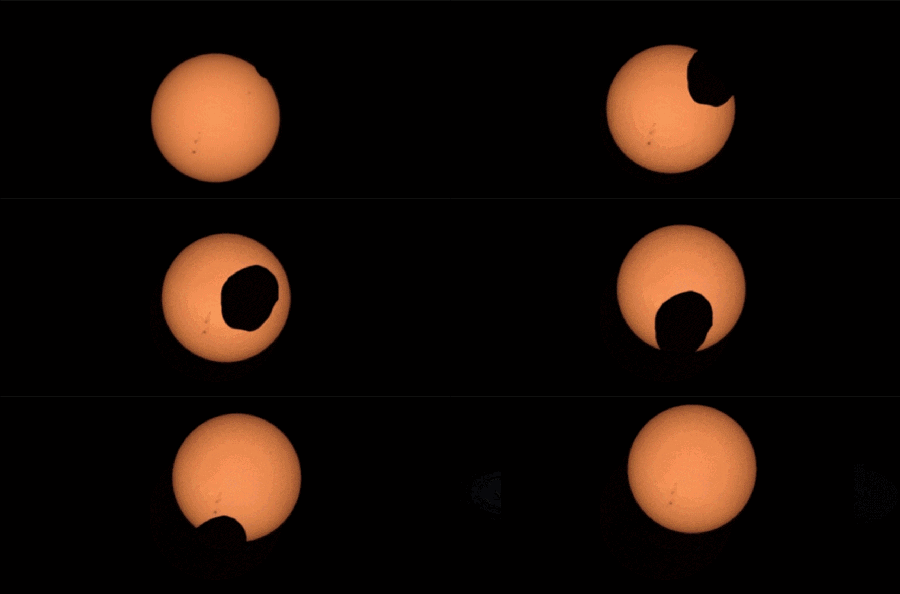
Is Earth the only planet with total solar eclipses?
Other planets have moons, too. Do they get eclipses like we do?
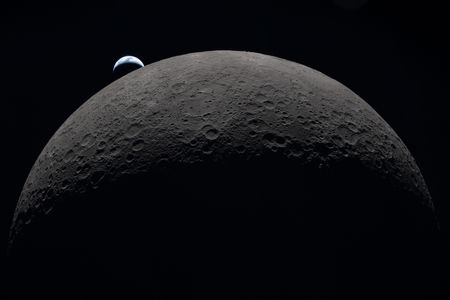
What will happen to Earth’s moon in the far future?
The moon is Earth’s constant companion. But will that always be the case?
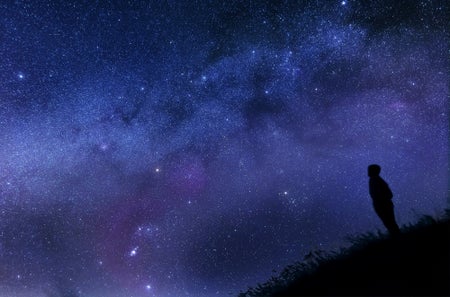
When astronomers get things hilariously wrong
Sometimes we mistake one kind of object with another to disastrous effect
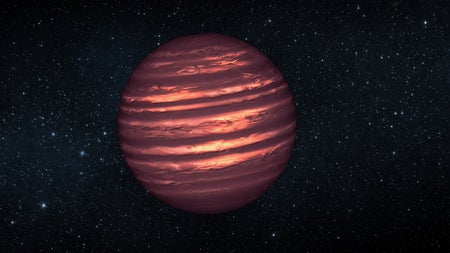
JWST catches cosmic imposters spoofing faraway galaxies
The James Webb Space Telescope has found nearby brown dwarfs masquerading as far-distant galaxies. The discovery reinforces how, in astronomy, what you see isn’t always what you get
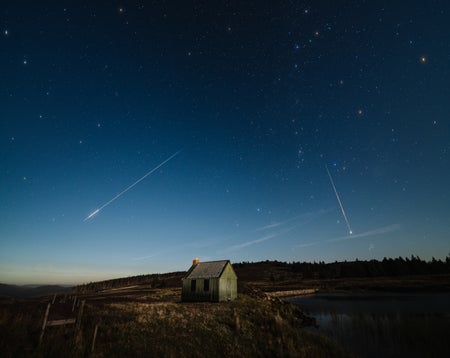
Scientists need more snapshots of shooting stars—and you can help
Meteor camera networks can reveal the hidden history of the solar system, and you can assist from your own backyard
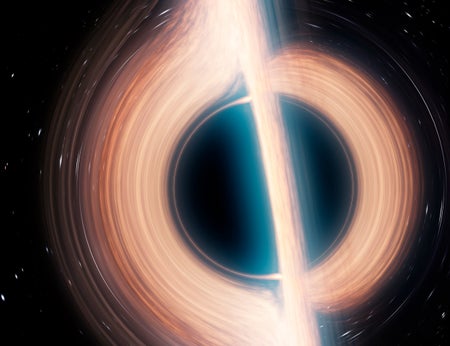
Giant black holes may be the universe’s best planet makers
Planets might exist in the least likely place you’d imagine—around the outskirts of supermassive black holes
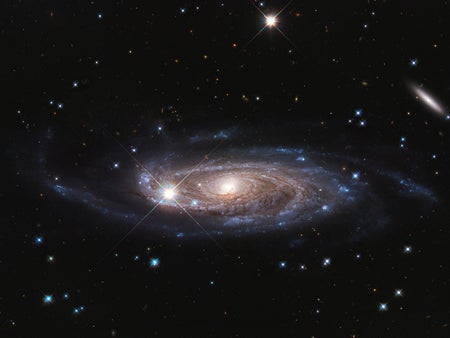
What’s the biggest galaxy in the universe?
Deep surveys of the sky have turned up galaxies vastly larger than our own. Are there even bigger ones yet to be seen?
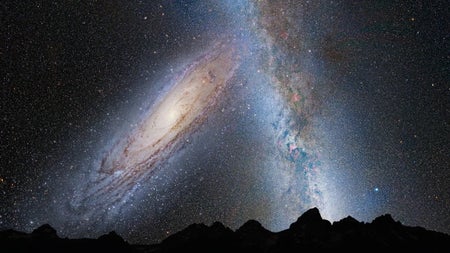
What happens when galaxies collide?
Our galaxy and its nearest large companion, Andromeda, may be headed for a collision on a cosmic scale. What happens then?

Are astronomers ignoring some of the cosmos?
There are parts of the universe, and of the electromagnetic spectrum, that we’re not covering with our telescopes—but not as many as you might think!
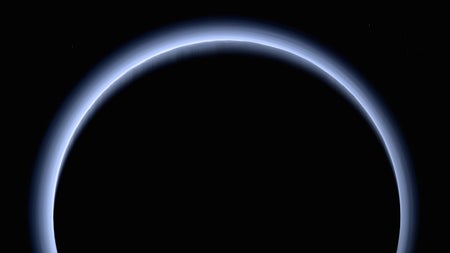
Pluto and the folly of planethood
The problem with Pluto isn’t its planetary or nonplanetary status—it’s our insistence on declaring the world must be one or the other
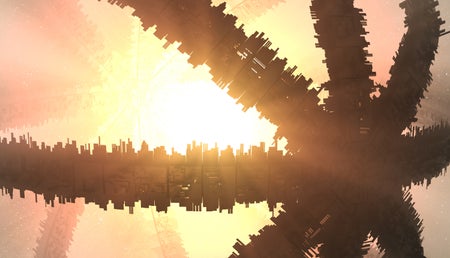
What is the Kardashev scale, and can we climb it?
The Kardashev scale is an interesting but flawed gauge of a civilization’s growth
Death by primordial black hole is hard to come by
Subatomic black holes from ancient cosmic history could, in principle, make you have a very bad day. But chances are you’ll never encounter one
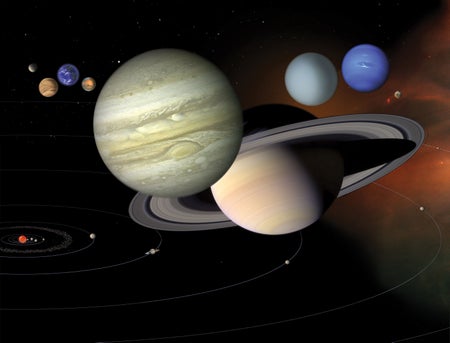
What’s the weirdest planet in the solar system?
All the sun’s planets are oddballs. But some are more so than others
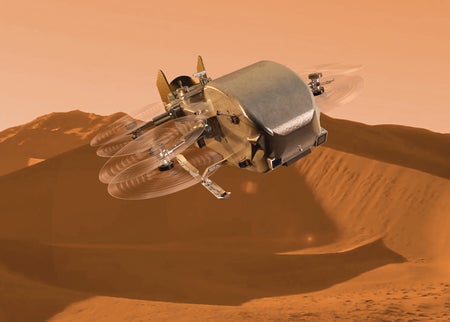
NASA’s Dragonfly will explore the air, land and seas of Titan, Saturn’s most mysterious moon
NASA plans to launch a wildly ambitious nuclear-powered octocopter to Saturn’s largest moon, Titan, in 2028