AgingApril 15, 2025
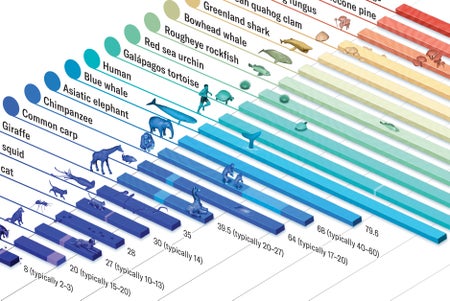
Why Some Animals Live for Only Days and Others Live for Thousands of Years
Scientists are studying why some species live so much longer than others
Why Some Animals Live for Only Days and Others Live for Thousands of Years
Scientists are studying why some species live so much longer than others
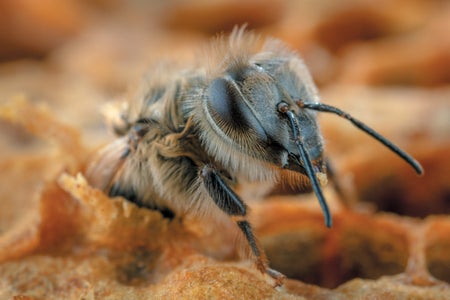
A Deadly Parasite Threatens Bees and 130 Crops They Help Grow
Scientists are racing to stop a tiny mite that could devastate the pollinators and agriculture


Google Is Training AI to Speak Dolphin
Google is developing an LLM that could help us communicate with dolphins

This Butterfly’s Epic Migration Is Written into Its Chemistry
Painted ladies travel the globe every year on massive journeys—including across the Sahara
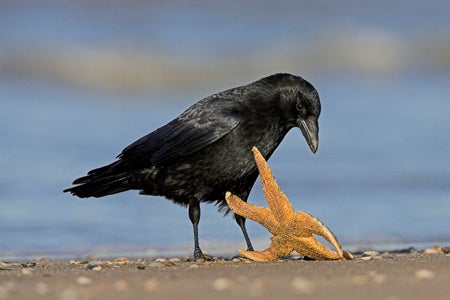
Crows Are Good at Geometry. Don’t Look So Surprised
Crows can tell the shapes of stars from those of moons and symmetrical quadrilaterals from unsymmetrical ones, new results show

Dolphins Communicate with ‘Fountains of Pee’
This discovery adds to a growing list of how animals talk with their urine

Scientists May Have Finally Found the Mysterious Animal Hosts of Mpox
A team of researchers traced the wild animal source of the mpox virus to the fire-footed rope squirrel

Did Scientists Actually De-Extinct the Dire Wolf?
Colossal Bioscience says it has “de-extincted” the dire wolf, but other scientists disagree and say more important conservation science is being lost in all the hype

Bonobos’ Complex Calls Share an Extraordinary Trait with Human Language
Bonobos’ grunts, peeps and whistles may share an advanced linguistic property with human language

It’s Not in Your Head—Why 50-Degree-F Days Feel Warmer in Spring Than in Fall
There are real, physiological reasons why the same temperature feels different in April and October

Why These Tropical Trees Love a Lightning Strike
One species of tropical tree seems not only to survive lightning strikes but also to thrive because of them

Courts Are Rejecting Politicized Attacks on Care for Trans Kids
Gender-affirming care attacked by right-wing groups is being reaffirmed by medical reviews and in the courtroom