
This article was published in Scientific American’s former blog network and reflects the views of the author, not necessarily those of Scientific American
Let's get this out of the way — if dogs could talk they probably wouldn’t say, “Please sign me up to spend time at an animal shelter.”
Animal shelters are typically not thought of as light-hearted, jolly places. Fine. I’ll give you that. I mean, who can forget that Sarah McLachlan commercial featuring her most heart-wrenching song playing alongside the most heart-wrenching images of sad, sad companion animals. Just punch me in the heart why don’t you? Apparently even Sarah McLachlan can’t stomach it.
But if the only thing you associate with animal rescue is pain and suffering, then you've got it all wrong. Developments are taking over the animal welfare field at record speed, and they benefit the animals who come into shelters, how they are cared for, and how they are placed into new homes. The science-based techniques being tested and implemented are good for companion animals, shelter staff and volunteers, and adopters. What I’m saying is there’s a heck of a lot of love that goes on in animal sheltering and rescue, but there’s also a heck of a lot of science.
On supporting science journalism
If you're enjoying this article, consider supporting our award-winning journalism by subscribing. By purchasing a subscription you are helping to ensure the future of impactful stories about the discoveries and ideas shaping our world today.
Two upcoming documentaries, the first on Saturday, April 16, and the second in May, highlight some of this extraordinary work.
SECOND CHANCE DOGS on Animal Planet, Saturday, April 16 at 9:00 am Eastern/Pacific
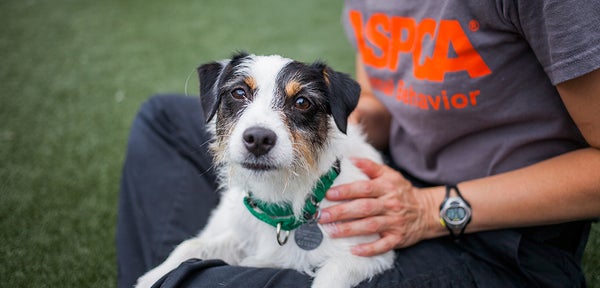
Meet six dogs rescued from horrible conditions and given a chance for a happy life. Through innovative care, ASPCA’s experts at the Behavioral Rehabilitation Center, currently in New Jersey, help fearful dogs heal and become suitable for adoption into loving homes. The ASPCA's rehabilitation program, led by Kristin Collins, ACAAB, will revolutionize the care and treatment of fear in dogs.
SHELTER ME: HEARTS & PAWS on PBS, May 2016, check website for date and time
This episode is hosted by Kristen Bell and features award-winning artist Patrick McDonnell, creator of the popular MUTTS comic strip. With his pen and sketch pad, Patrick looks inside Animal Care Centers of New York City (ACC) and finds inspiring stories. Meet the staff and volunteers at ACC and see the new techniques they're using to help dogs and cats get ready for adoption. Also in the episode, Oakland Animal Services partners with the country's first cat café to get cats adopted.
Over the next few posts on Dog Spies, I’ll cover some of the recent developments in animal sheltering and welfare.
In my next post, find out why the ASPCA’s Behavior Rehabilitation Center at St. Hubert’s Animal Welfare Center in Madison, New Jersey is not only helping the dogs who walk through its doors, it’s changing how we work with and care for fearful and undersocialized dogs.
I can’t encourage you enough to tune into Second Chance Dogs this Saturday on Animal Planet at 9:00 am Eastern/Pacific and Shelter Me: Hearts & Paws in May. Or maybe I can. Tune in.