
This article was published in Scientific American’s former blog network and reflects the views of the author, not necessarily those of Scientific American
Last week, the U.S. Fish and Wildlife Service (FWS) proposed to protect seven rare bee species and 42 other disappearing plant and animal species native to the Hawaiian Islands under the Endangered Species Act.
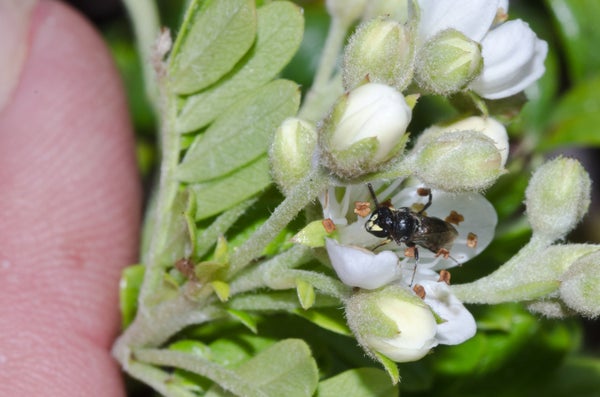
The list of candidates includes all of Hawaii’s yellow-faced bee species (from the genus Hylaeus) as well as many plant species that depend on these pollinators for survival. Other species proposed for protection include the band-rumped storm-petrel (Oceanodroma castro), the orangeblack Hawaiian damselfly (Megalagrion xanthomelas), and the anchialine pool shrimp (Procaris hawaiana).
Hawaii has long been called the extinction capital of the world due to its high number of threatened endemic species—ones which exist nowhere else. Dozens of species have been wiped out since humans first arrived on the islands, carrying with them diseases and invasive species such as rats, cats, feral pigs and mosquitoes. More recently, habitat loss, pollution and climate change have put these organisms at risk. Many of these rare species find themselves even further at risk due to their limited genetic diversity and extremely small distributions.
On supporting science journalism
If you're enjoying this article, consider supporting our award-winning journalism by subscribing. By purchasing a subscription you are helping to ensure the future of impactful stories about the discoveries and ideas shaping our world today.
Currently, some 435 Hawaiian species are protected by the Endangered Species Act.
Last week’s proposal comes in response to a long list of petitions from the Center for Biological Diversity and the Xerces Society for Invertebrate Conservation, one of which dates back more than 10 years. “Many of these species are on the brink of extinction, and I’m relieved to see them moving toward the protection they desperately need,” CBD species recovery director Loyal Mehrhoff said in a prepared release.
FWS has identified 11 different types of habitats these species depend upon, ranging from coastal ecosystems to mountain rainforests. Many of these species have overlapping habitats or would benefit from similar habitat-protective measures. As a result, FWS representatives indicated they’re planning an ecosystem-based approach that would preserve these environments and therefore the species that live in them. “Implementing an ecosystem-based approach to the proposed listing allows the Service to better prioritize and focus conservation and recovery actions in Hawaii,” Kristi Young, FWS acting field supervisor for the Pacific Islands Fish and Wildlife Office, said in another prepared release.
FWS has 12 months to gather information and public comments on the 49 species currently up for ESA protection. Their decision on which species will gain protection is due next year.
Photo: Hylaeus assimulans, one of the seven species of yellow-faced bee species proposed for protection. By John Kaia, courtesy of the Xerces Society for Invertebrate Conservation
Previously in Extinction Countdown:
Life on the Volcano Is Increasingly Tough for These Hawaiian Birds
Amazing Hawaiian Plant Loved by Tourists but Endangered by Climate Change
Critically Endangered Plant with Brilliant Purple Flowers Discovered in Hawaii
Other Hawaiian Extinction Stories by John Platt: