
This article was published in Scientific American’s former blog network and reflects the views of the author, not necessarily those of Scientific American
Another year under our belts, a few more extinctions to our credit. But also a few victories.
I wrote more than 200 articles about endangered and threatened species this past year, half of which appeared here at “Extinction Countdown.” There were good stories of conservation success and bad stories of species that we lost (or which we’re in the process of losing). Most stories, however, covered the broad spectrum in between loss and victory.
Here are my picks for the articles of the year. These aren’t necessarily the ones that got the most readers or the ones that covered the most iconic species. They’re just the articles that continue to resonate with me as the year draws to a close.
On supporting science journalism
If you're enjoying this article, consider supporting our award-winning journalism by subscribing. By purchasing a subscription you are helping to ensure the future of impactful stories about the discoveries and ideas shaping our world today.
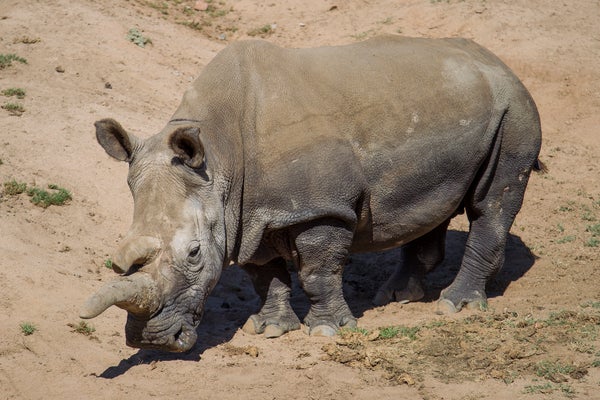
Northern White Rhino Dies, Leaving Just Three on the Planet — It won’t be long before I write this species’ final obituary.
Stowaway Snail Helps Save Species from Extinction — A nice success story that helps to illustrate that people can make a difference, even if it’s by accident.
If Apes Go Extinct, So Could Entire Forests — Poop matters. Hey, it’s the little things.
Is Chocolate Driving Monkeys into Extinction? — The unexpected impact of cocoa.
Mesquite Invasion Threatens a Unique Species in India — One of several articles I’ve written about “devil’s tree” in recent months. (Here’s another.)
Prehistoric `Lizard of Great Sleepiness' Nearly Extinct in Vietnam and China — This story kept me up at night.
Wolves and Monkeys: Unusual Hunting Buddies — It’s a strange, strange world out there.
Sexually Deceptive Orchid Seeks Specialty Pollinator — Headline of the year, and a pretty good story to boot.
Giant Panda Conservation Also Helps Other Unique Species in China — Finally, proof that “umbrella species” are a thing.
No Motherhood Yet for 100-Year-Old Turtle — Keep your fingers crossed for good news on this story in the New Year.
What will we see next year? I predict a few more victories, a handful of new extinctions, and more struggles from every corner of the globe to try to turn the tide.
Photo: San Diego Zoo Global