
This article was published in Scientific American’s former blog network and reflects the views of the author, not necessarily those of Scientific American
The great reptiles of ages past are often depicted as the rulers of their world. They thrived on land, filled the seas, and soared overhead, confident in their dominion for well over 100 million years. We don’t often talk about when they screwed up.
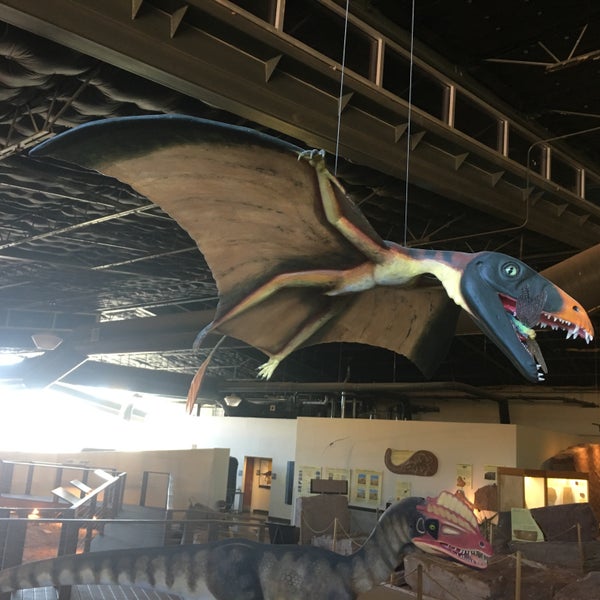
The fossil cephalopod is stunning in its own right. It’s a Plesioteuthis subovata – an ancient relative of squid that looks like an elongated cuttlefish – preserved with soft tissues intact, an outline of an animal that lived and died in the Jurassic. But what makes this fossil extra special, paleontologist René Hoffman and colleagues write, is a tooth found embedded in the fossil. Some creature tried and failed to eat this squishy invertebrate for lunch. The most likely culprit is the pterosaur Rhamphorhynchus muensteri – the tooth matches with more complete fossils of this Jurassic flyer.
Caution is always needed in these cases. Just because two organisms – or parts of two organisms – are buried together doesn’t mean that they interacted in life. In a similar case, a shark tooth found with a Pteranodon fossil may or may not indicate that the shark fed on the reptile. It’s presently impossible to tell. But, with the Plesioteuthis, the delicate preservation of the invertebrate’s soft parts also records evidence that the pterosaur tooth didn’t find its resting spot by chance.
On supporting science journalism
If you're enjoying this article, consider supporting our award-winning journalism by subscribing. By purchasing a subscription you are helping to ensure the future of impactful stories about the discoveries and ideas shaping our world today.
Looking at the fossil under ultraviolet light, Hoffman and coauthors found that the pterosaur tooth was actually embedded in the cephalopod’s tissue. The tooth isn’t just resting atop the Plesioteuthis, but is jammed in it and broken off.
We can’t rewind to see exactly what happened, but, the researchers suggest, it’s possible to outline the scene. Rhamphorhynchus could fly and walk, but wasn’t much of a swimmer. The flying reptile must have tried to nab the Plesioteuthis at or near the surface of the water. But something went wrong. Perhaps the pterosaur didn’t time its bite right. Maybe the cephalopod struggled. Or another pterosaur could have tried to get a free lunch and jerked the prey out of the first pterosaur’s jaws. Regardless of what we envision, the pterosaur’s tooth broke and the Plesioteuthis fell back into the water. Whether the cephalopod survived a while or soon died, sinking to the oxygen-depleted bottom where it was preserved, isn’t clear.
Plesioteuthis can be added to the slowly-growing pterosaur menu. And not just that. Other Rhamphorhynchus fossils indicate that these snaggletoothed reptiles sometimes had a hard time with seafood – some fossils of the pterosaur are intertwined with the fish Aspidorhynchus. Clearly grabbing lunch in the Late Jurassic was no simple task. You could lose your lunch, if you don’t end up as someone else’s.