

This article was published in Scientific American’s former blog network and reflects the views of the author, not necessarily those of Scientific American
On December 24th 1968 the crew of Apollo 8 were orbiting around the Moon for the fourth time when they saw the sunlit Earth coming up above the lunar horizon. In these fleeting moments the astronaut William Anders took one of the most iconic images ever captured by our species.
Earthrise.
.jpg?w=1350)
Credit: Bill Anders NASA
On supporting science journalism
If you're enjoying this article, consider supporting our award-winning journalism by subscribing. By purchasing a subscription you are helping to ensure the future of impactful stories about the discoveries and ideas shaping our world today.
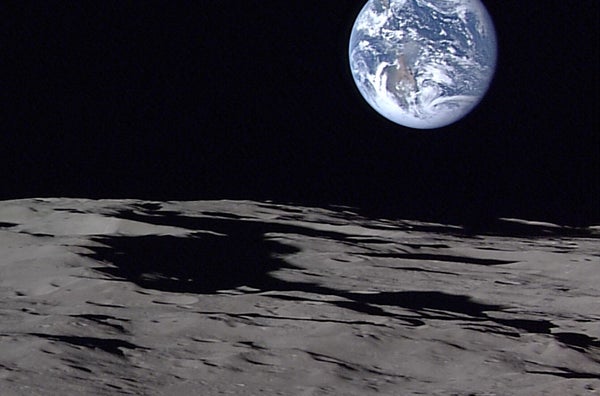
Today we've all seen this unique picture. But of course nature recreates this moment for real again and again, if you're in the right place at the right time. The Japanese space agency's SELENE (Kaguya) mission had that privilege. The spacecraft operated in lunar orbit from 2007 to 2009, and in addition to a payload of scientific instrumentation it also carried a pair of HDTV cameras - a piece of inspired PR.
A couple of months ago the agency (JAXA) released the final archive of the still and videos from the mission - more than 450 files capturing the austere beauty of the Moon, and its primary world - Earth.
In the spirit of the solstice, western holiday traditions, and an homage to Apollo 8, here are a few of these remarkable high-definition shots:
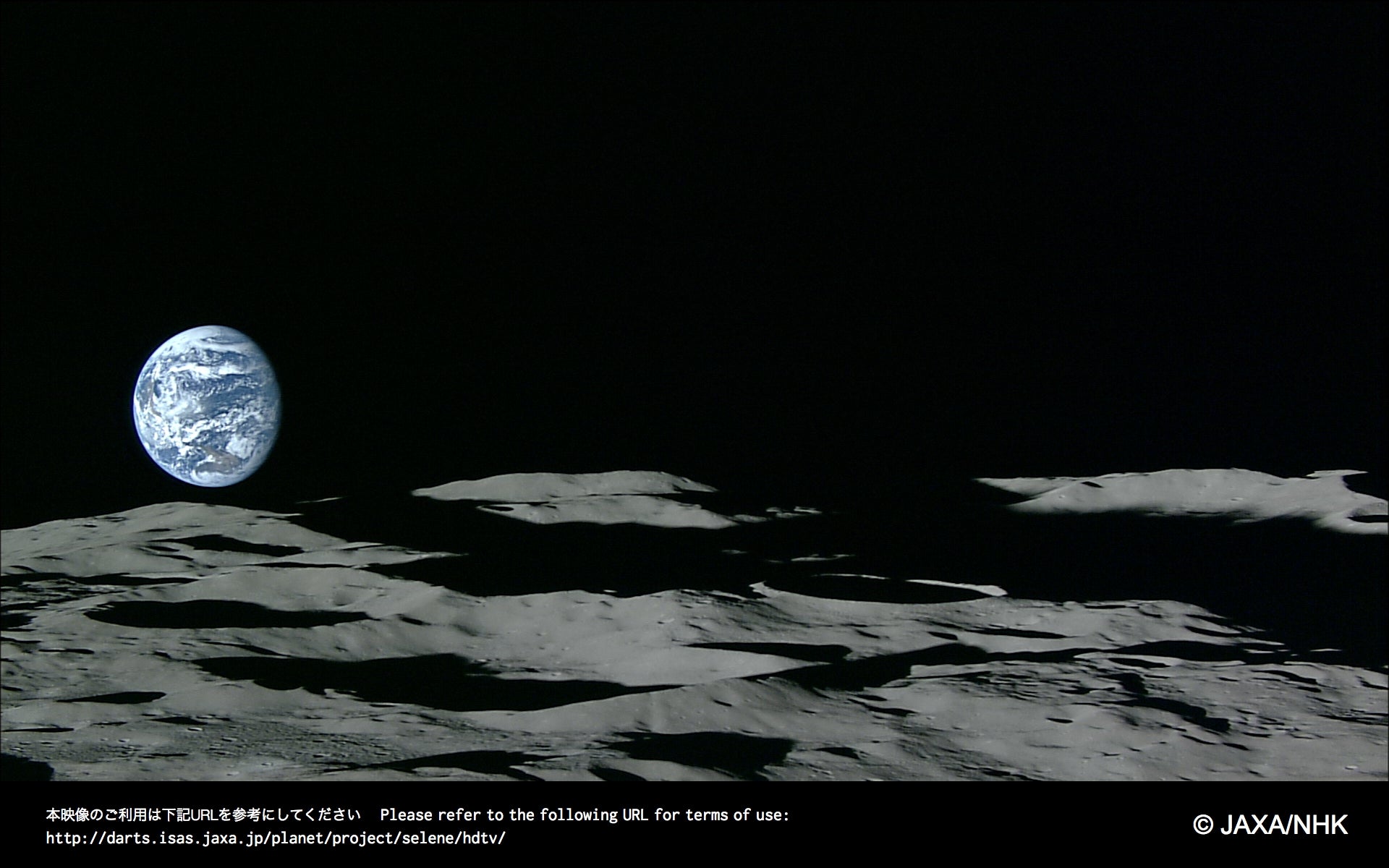
Earthrise redux. Credit: JAXA, NHK


Credit: JAXA, NHK


A thin crescent Earth. Credit: JAXA, NHK


Credit: JAXA, NHK


Cheating a little, Earth from 11,000 km. Credit: JAXA, NHK

And finally, click here for a HD video flyover of the lunar surface.