
This article was published in Scientific American’s former blog network and reflects the views of the author, not necessarily those of Scientific American
Photo by John Moore/Getty Images
Drug overdoses have become the leading cause of injury in the United States. More people between the ages of 25 and 64 now die from overdose than in car crashes—and prescription drugs are largely to blame. Opioids are particularly dangerous, killing more than 16,000 people in 2010. Prescription opioid overdoses now claim more lives each year than heroin and cocaine combined.
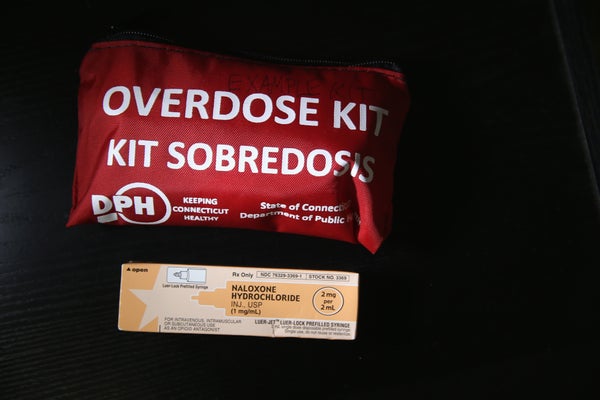
When an opioid overdose happens, a quicker response time often means the difference between life and death. Today the Food and Drug Administration approved a long-awaited emergency drug-overdose treatment that family or community members can easily use to treat someone who has overdosed. The device, called Evzio, is a pocket-size auto-injector filled with the opioid antidote naloxone. Its approval is a boon for drug advocates who have long sought faster response options for drug overdoses. It is also a rare example of a fast action from FDA; many medications take years to pass regulatory hurdles, but Evzio passed after just 15 weeks of review.
On supporting science journalism
If you're enjoying this article, consider supporting our award-winning journalism by subscribing. By purchasing a subscription you are helping to ensure the future of impactful stories about the discoveries and ideas shaping our world today.
Evzio looks and works much like the most modern Epi Pens. When a family member or caregiver sees signs of drug overdose (unconsciousness, slowed breath), they turn on the device, and an audio recording delivers verbal instructions for delivering a single dose of naloxone into the subject’s muscle or under his or her skin. The drug is not a replacement for emergency care, FDA Commissioner Margaret Hamburg said today, noting that the verbal instructions still tell a user to call 911.
Naloxone is already the standard treatment for overdose, but existing versions of the drug have to be administered via syringe and are generally only employed by trained medical personnel. FDA’s approval of a naloxone auto-injector is expected to be a big step in reducing opioid overdose deaths. “While the larger goal is to reduce the need for products like these by preventing opioid addiction and abuse,” Hamburg said, this innovation will “help save lives.” On average, 105 people die each day from drug overdoses, while more than 6,500 are treated in emergency departments.
Beyond the action on the federal level, the attorney general of New York state announced plans today to fund the purchase of naloxone overdose treatment kits among state and local law enforcement officers. Already, in a pilot project conducted by the Quincy, Massachusetts police department, earlier response to overdoses with naloxone prevented hundreds of deaths. Exactly what formulation of the drug New York law enforcement officers buy – either older versions used by first responders or this new auto-injector –will be up to them.
FDA’s news about the new drug approval comes on the heels of the agency’s controversial decision to approve a new, powerful opioid drug called Zohydro, which critics maintain could actually fuel the opioid misuse epidemic due to its easily-crushable capsule formula. Last fall, an FDA advisory panel voted 11-to-2 against the drug’s approval. But FDA decided to approve it anyway, in part because it would be the only hydrocodone on the market without acetaminophen, which can damage the liver. Its approval continues to be divisive: Massachusetts is blocking sale of the painkiller in its state as part of its effort to combat overdose deaths.