
This article was published in Scientific American’s former blog network and reflects the views of the author, not necessarily those of Scientific American
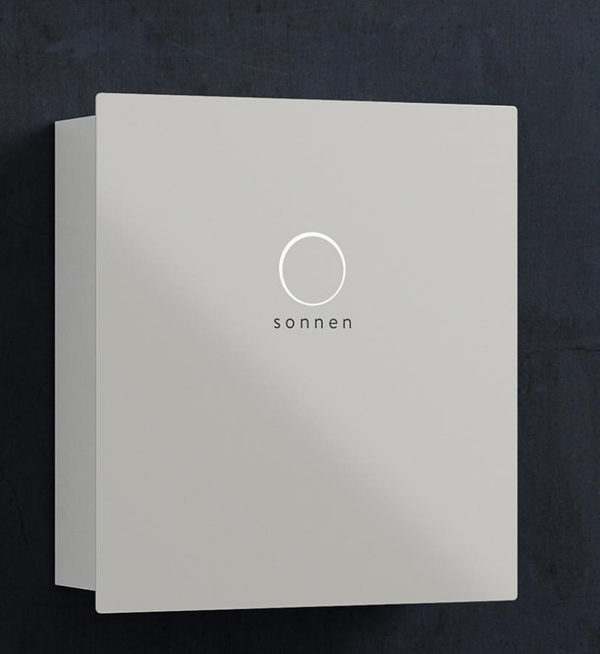
On Wednesday, Germany’s market leader for residential energy storage – Sonnenbatterie – launched an energy trading platform that the company hopes will become “bigger than E.ON” over the next decade.
This trading platform capitalizes on three major trends, including the:
increasing use of decentralized power generation in Germany
uptake of small, residential energy storage systems
growing networks of smart meters and other digital technologies
On supporting science journalism
If you're enjoying this article, consider supporting our award-winning journalism by subscribing. By purchasing a subscription you are helping to ensure the future of impactful stories about the discoveries and ideas shaping our world today.
Dubbed “Sonnen”, the concept is fairly clear – you take electricity from distributed power generators (e.g. rooftop solar panels), batteries, and a digital network to enable peer-to-peer energy trading. The result is a virtual utility of distributed generators and storage systems that operate independently from the traditional utility’s power markets, though it still depends on the electricity grid. Those without either solar or batteries are able to participate in this energy trading scheme for a monthly fee.
According to Sonne CEO Christoph Ostermann, this trading platform will create “virtual pools” of connected energy storage systems. In an interview with PV Tech storage, Ostermann explained that his company would act as the service provider for these pools. In turn, they would differentiate themselves from companies that only sell hardware.
But, according to PV Tech Storage’s Andy Colthorpe, who attended Wednesday's launch in Berlin:
“Sonnen appears prepared to be competitive on hardware prices too. The systems could even undercut Tesla’s much-anticipated Powerwall. At Tesla’s stationary storage launch in April, the EV-maker’s CEO Elon Musk gave a price of US $3,000 for a single residential unit – with the price excluding essential non-battery hardware, including power electronics.
Tesla’s German rival said it will launch SonnenCommunity at a cost of EUR3,599 (US$3,818) including VAT – including everything to make it ready to connect, excepting the installation cost. Existing Sonnenbatterie customers are expecting to be offered a significant discount.”
This is not the first time that peer-to-peer energy trading concepts have been proposed in Europe. For example, Vandebron in the Netherlands lets consumers buy power directly from independent renewable energy producers. In the United Kingdom, Open Utility is currently hosting a 6-month pilot of an “online peer-to-peer market for renewable energy” called Piclo.
According to Sonnen’s managing director for sales, Philip Schoeder, the company and its energy trading platform could become as big as a conventional utility within 10 years. But, it will need to overcome some key barriers including uncertainty regarding economics and potential regulatory hurdles.