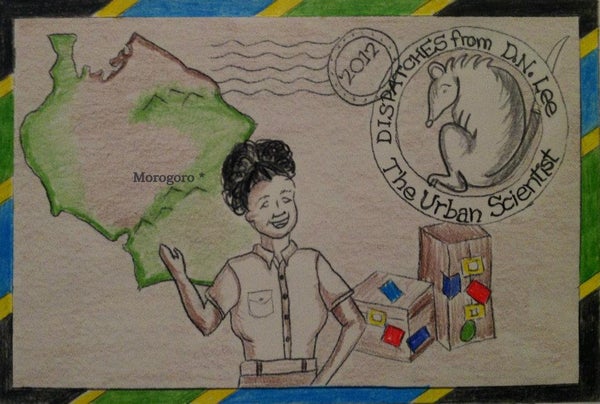
#DispatchesDNLee 2015: Week 3 Recap

Recaps from the field #DispatchesDNLee 2015. I share my week in tweets and pictures from Tanzania, researching giant pouched rats and living far from home.

Join Our Community of Science Lovers!

This article was published in Scientific American’s former blog network and reflects the views of the author, not necessarily those of Scientific American


Three weeks in and I'm back in the field - trapping.  The heart and soul of the work I do in Tanzania is the Capture-Mark-Recapture study. I am fortunate enough to work with some of the most experienced pest researchers and pouched rat experts the world. These amazing individuals don't get the credit they deserve.
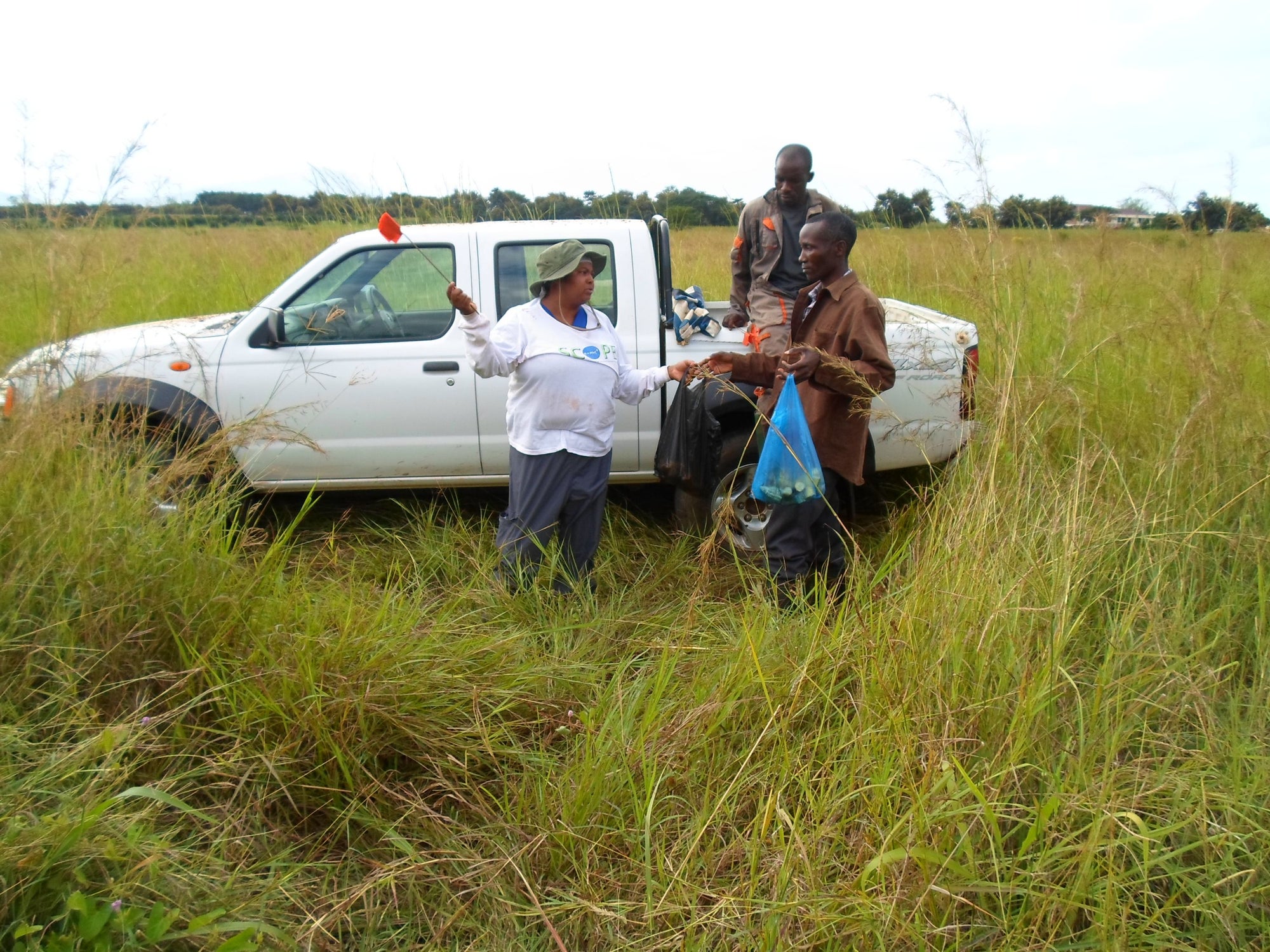
Me, holding marking flags talking with my team before we bait and set traps in one of our shamba grids. In the truck: Shabani Lutea - this man is the most experienced pouched rat natural history person in the world. He literally is a rat whisperer. Standing: Genithon Mhampfi - he's a researcher studying various rodent pest abatement techniques.

These men keep the "lights on" if you will, with this study when I'm in the States. I'll be sharing more about the great work they and other scientists in my host department, Pest Management Center of Sokoine University of Agriculture, during my #AfricanSTEM highlights.


On supporting science journalism

If you're enjoying this article, consider supporting our award-winning journalism by subscribing. By purchasing a subscription you are helping to ensure the future of impactful stories about the discoveries and ideas shaping our world today.


Follow along in real time (well, 7-10 hours ahead of U.S.) on Twitter @DNLee5 and #DispatchesDNLee on IG DNLee5. All the fun, all the food. All of the Adventures! LOL.

For now, check out my amazing and itch-tastic Week 3 in the field. My amazing social media intern puts these Storify recaps together. Be sure to follow her too on Twitter (@Intheknowshow)

DNLee is a biologist and she studies animal behavior, mammalogy, and ecology . She uses social media, informal experiential science experiences, and draws from hip hop culture to share science with general audiences, particularly under-served groups.

More by DNLee

It’s Time to Stand Up for Science

If you enjoyed this article, I’d like to ask for your support. Scientific American has served as an advocate for science and industry for 180 years, and right now may be the most critical moment in that two-century history.

I’ve been a Scientific American subscriber since I was 12 years old, and it helped shape the way I look at the world. SciAm always educates and delights me, and inspires a sense of awe for our vast, beautiful universe. I hope it does that for you, too.

If you subscribe to Scientific American, you help ensure that our coverage is centered on meaningful research and discovery; that we have the resources to report on the decisions that threaten labs across the U.S.; and that we support both budding and working scientists at a time when the value of science itself too often goes unrecognized.

In return, you get essential news, captivating podcasts, brilliant infographics, can't-miss newsletters, must-watch videos, challenging games, and the science world's best writing and reporting. You can even gift someone a subscription.

There has never been a more important time for us to stand up and show why science matters. I hope you’ll support us in that mission.

Thank you,

David M. Ewalt, Editor in Chief, Scientific American

Subscribe