Things to Do before You Start Your New Faculty Position

iBiology in partnership with the National Research and Mentoring Network bring a series of videos to smooth the way for biologists

Join Our Community of Science Lovers!

This article was published in Scientific American’s former blog network and reflects the views of the author, not necessarily those of Scientific American


Around the time I was negotiating terms with my future employer, this tweet cam across my timeline.

I saved it. When I officially signed the paperwork and submitted it I watched this video.


On supporting science journalism

If you're enjoying this article, consider supporting our award-winning journalism by subscribing. By purchasing a subscription you are helping to ensure the future of impactful stories about the discoveries and ideas shaping our world today.


I took copious notes and I've been executing the good advice Dr. Avery August shares. I have a list of possible grants I plan to apply for and an idea notepad of all of the research and teaching ideas I plan to pursue when I arrive at SIUE.

Thank you iBiology and the National Research and Mentoring Network for this video series. They are are a help to so many people.

Admittingly, I'm still swirling in post-doc duties now. I'm trying to get some major things off of my plate so I won't have attend to any leftovers at my new position. And despite walking the same hallways as him, I have yet to meet Dr. August. So, now I have another thing to add to my To Do list before departing. Wish me luck.

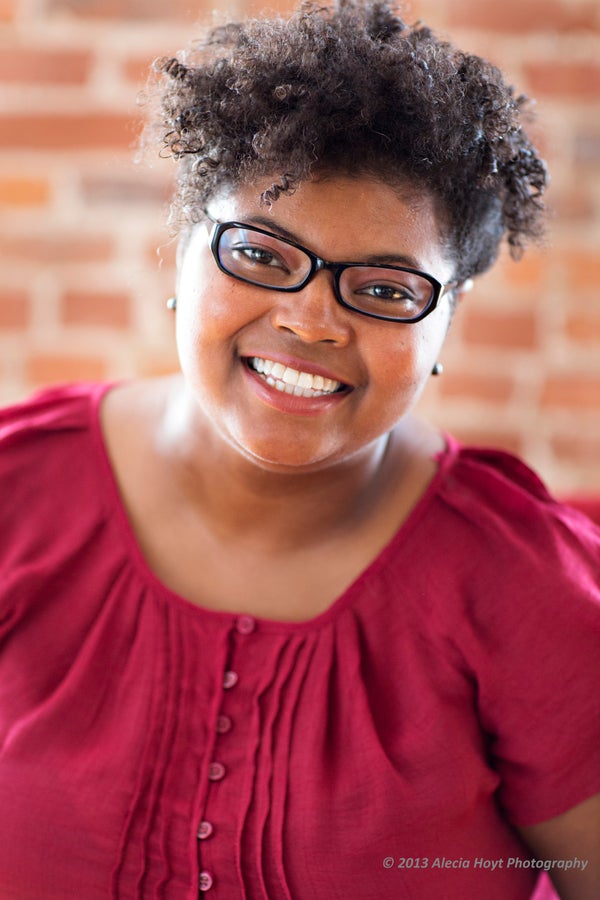
DNLee is a biologist and she studies animal behavior, mammalogy, and ecology . She uses social media, informal experiential science experiences, and draws from hip hop culture to share science with general audiences, particularly under-served groups.

More by DNLee

Subscribe to Support Independent Journalism

Great science journalism requires human expertise, time, effort and creativity. And it costs money. That’s why I and the journalists here at Scientific American hope you’ll join our community.

When you subscribe, you are supporting staff and freelance journalists who are passionate about telling science stories that are true, important and compelling. Our editors and reporters are often experts in their fields, which means they understand the nuances of big discoveries and can untangle the breakthroughs from the hype. With a subscription, you are also supporting rigorous fact-checking to ensure the words we publish are precise and accurate. And you’re supporting original illustrations, graphics and photos that bring you closer to an advanced laboratory, an ice sheet in Antarctica or a space mission in orbit. You’re helping us craft other types of high-quality journalism as well: Our newsletters are carefully written, edited and curated by staffers you have or will come to know and love. Our Science Quickly podcast is based on original reporting, collaboration with editors and scientists and exacting production.

Subscriptions keep this engine running so we can continue to deliver thoughtful, rigorous and independent science journalism to you. In an era of viral misinformation, this work is crucial. If you value what we do, I hope you’ll consider joining us as a subscriber

Thank you,

Jeanna Bryner, Editor in Chief, Scientific American

Subscribe