Lung Cancer Screen Could Be Easy Pee-sy
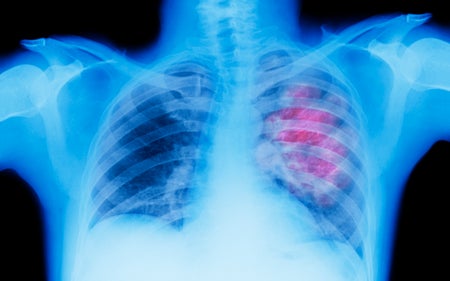
In mice, a test for lung cancer involves nanoprobes that recognize tumors and send reporter molecules into the urine for simple analysis.

Lung Cancer Screen Could Be Easy Pee-sy
In mice, a test for lung cancer involves nanoprobes that recognize tumors and send reporter molecules into the urine for simple analysis.

Meteorologists Rain on Cloud-Seeding Parade
Originally published in July 1957


COVID-19: The Need for Secure Labs—and Their Risks
Coronavirus research requires high-containment labs. Journalist Elisabeth Eaves talks with Scientific American contributing editor W. Wayt Gibbs about her article “The Risks of Building Too Many Bio Labs,” a joint project of the New Yorker and the Bulletin of the Atomic Scientists.

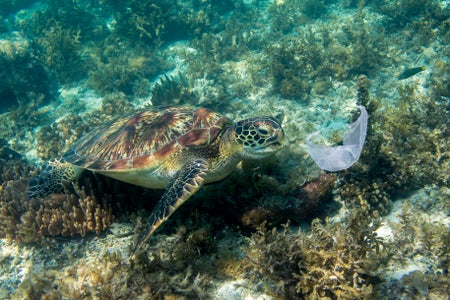
Ocean Plastic Smells Great to Sea Turtles
Ocean plastic gets covered with algae and other marine organisms, making it smell delicious to sea turtles—with potentially deadly results.

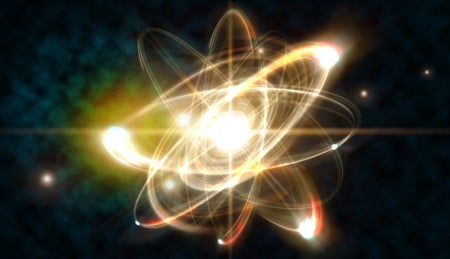
Carbon Conundrum: Experiment Aims to Re-create Synthesis of Key Element
An Ohio particle accelerator will test an alternative idea of how the universe’s carbon came to be

Test Proves Blood on Murder Weapon Was Fruit Preserves
Originally published in February 1857

New Party Food: Oxygen Cakes
Originally published in February 1907

One Reason Not to Leave Radioactive Fluid in Your Pocket
Originally published in August 1901

Wasp Nests Help Date Aboriginal Art
Art created by Australian Aboriginal people used organic carbon-free pigments, but wasp nests above or below the art can be used for radiocarbon dating that supplies boundaries for the age of artworks.

The Supercool Materials That Send Heat to Space
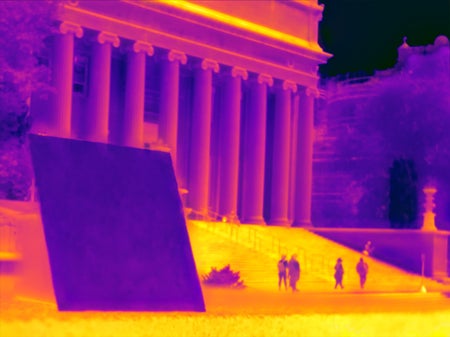
Paints, plastics and even wood can be engineered to stay cool in direct sunlight—but their role in displacing power-hungry air conditioners remains unclear

Espresso May Be Better when Ground Coarser
A very fine grind can actually hamper espresso brewing, because particles may clump more than larger particles will.

Fingering Fake Whiskeys with Isotopes
Whiskeys claimed to be from the 19th century are revealed to be made with much more recently grown barley, thanks to the unique isotopic fingerprint of the nuclear-testing era.