The SciencesFebruary 14, 2020
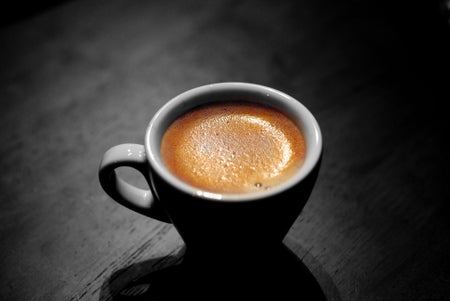
Espresso May Be Better when Ground Coarser
A very fine grind can actually hamper espresso brewing, because particles may clump more than larger particles will.
Espresso May Be Better when Ground Coarser
A very fine grind can actually hamper espresso brewing, because particles may clump more than larger particles will.
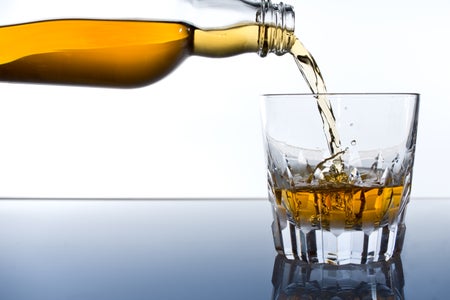
Fingering Fake Whiskeys with Isotopes
Whiskeys claimed to be from the 19th century are revealed to be made with much more recently grown barley, thanks to the unique isotopic fingerprint of the nuclear-testing era.

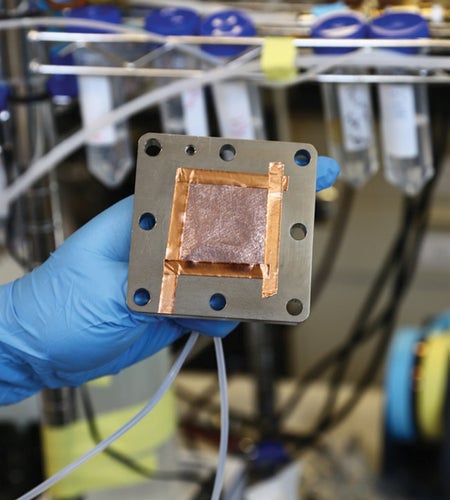
New Process Could Provide More Sustainable Plastic Production
A common component of plastics could come from existing carbon sources
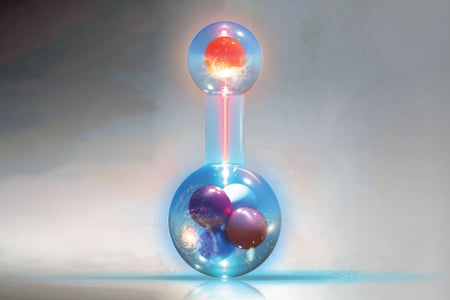
The First Molecule in the Universe
Scientists have identified mystery molecules in space and the compound thought to have started chemistry in the cosmos
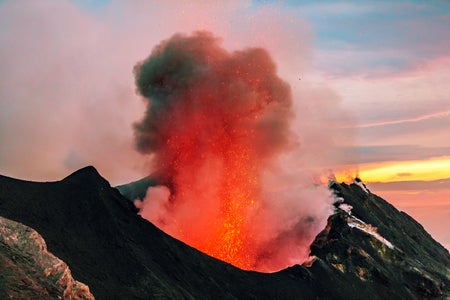
How to Make a Mass Extinction
Journalist and author Peter Brannen talks about his book The Ends of the World: Volcanic Apocalypses, Lethal Oceans, and Our Quest to Understand Earth’s Past Mass Extinctions.

Flames Extinguish Themselves in Zero Gravity
Originally published in November 2000
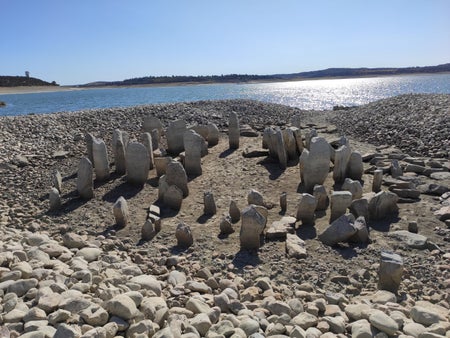
Science News Briefs from around the Globe
A few brief reports about international science and technology from Indonesia to Spain, including one from Brazil about the highest-voltage electric eel ever discovered.

Want to Crack Open a Safe? Try Nitroglycerine
Originally published in January 1856

Fido’s Human Age Gets New Estimates
By comparing how DNA gets altered over the lifetimes of people and dogs, researchers came up with a new way to compare canine years with human years.

Superstrong Fibers Could Be Hairy Situation
Human hair tested stronger than thicker fibers from elephants, boars and giraffes, providing clues to materials scientists hoping to make superstrong synthetic fibers.
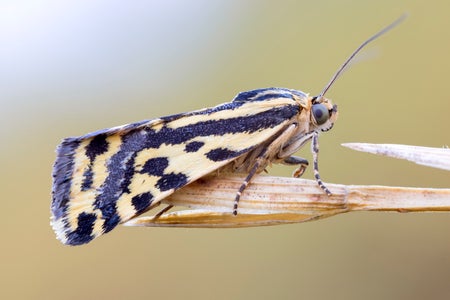
Moths Flee or Face Bats, Depending on Toxicity
Tiger moth species that contain bad-tasting and toxic compounds are nonchalant in the presence of bats, while edible moth species evade their predators.
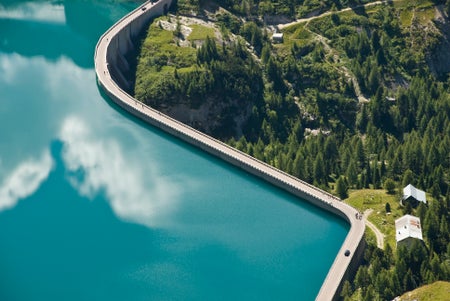
Not All Hydropower Is Climate-Considerate
While some hydropower facilities release almost no greenhouse gases, others can actually be worse than burning fossil fuels.