ChemistryMay 10, 2018
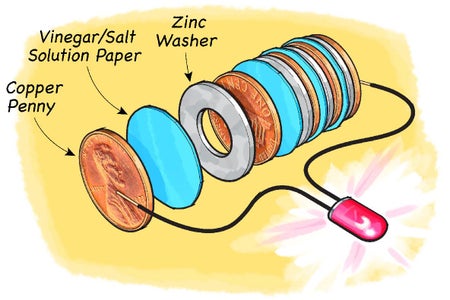
Charge from Change: Make a Coin Battery
An electric science project from Science Buddies
Charge from Change: Make a Coin Battery
An electric science project from Science Buddies

A Hangover Pill? Tests on Drunk Mice Show Promise
The treatment decreased rodents’ blood alcohol level by 45 percent

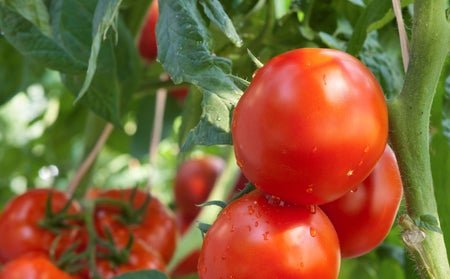
Plants Can Sense Animal Attack Coming
Tomato plants detected snail slime in soil near them and mounted preemptive defenses, even though they were not directly touched.
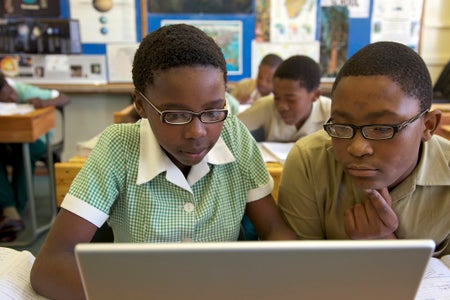
Africa: Future Worldwide Science Hub
Thierry Zomahoun, president of the African Institute for Mathematical Sciences, talks about the potential and needs of science on the continent.

The Hidden Data in Your Fingerprints
A fingerprint could give a molecular signature revealing aspects of a person’s lifestyle and environment, such as their job, eating habits or medical problems
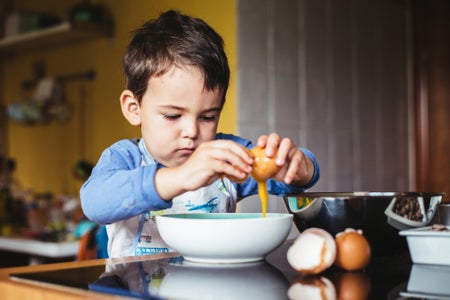
Helping the Lab Feel More Familiar
Skills learned in the kitchen, at the vanity, in the craft room or in the garage can help put classroom struggles into context
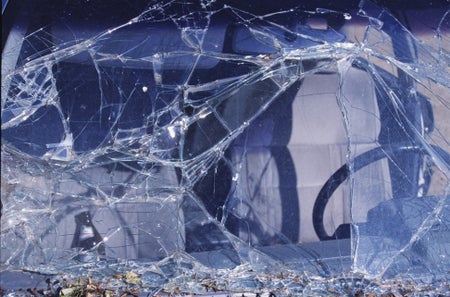
Traffic Deaths Increase after 4:20 P.M. on 4/20
A look at a database of fatal traffic accidents found a 12 percent increase on the informal marijuana holiday 4/20 after 4:20 P.M. compared with nearby dates.
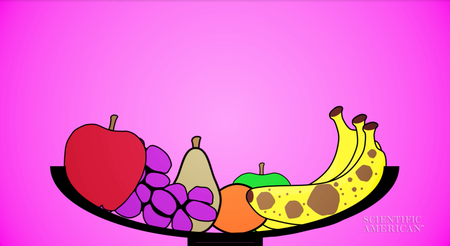
Why Do Bananas Change Color?
Bananas undergo chemical and physical changes to become more appealing.
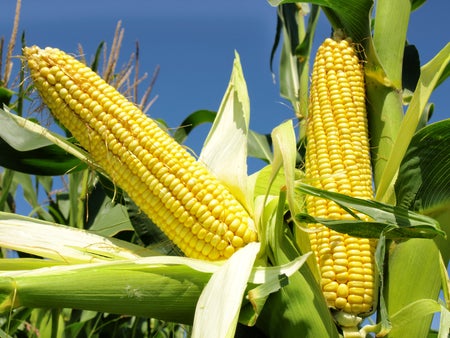
Rev Up Photosynthesis to Boost Crop Yields
Photosynthesis actually is an inefficient process, but a biological chemist is trying to crank it up.
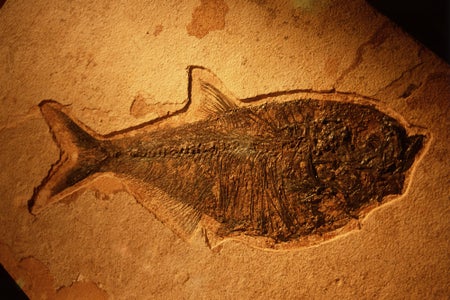
Rotting Flesh Offers Insight on Fossilization
To learn more about decay and fossilization, researchers conduct unorthodox experiments—like dissecting decomposing animals in the lab. Christopher Intagliata reports.
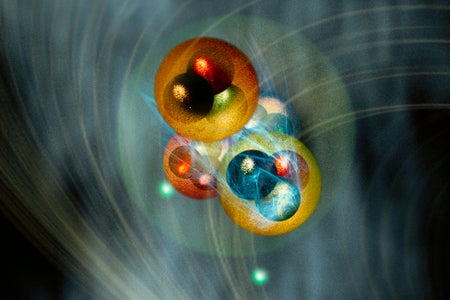
A Noble Gas Surprise: Helium Can Form Weird Compounds
A new idea explains recently discovered chemistry that seems to break the rules of high school textbooks everywhere
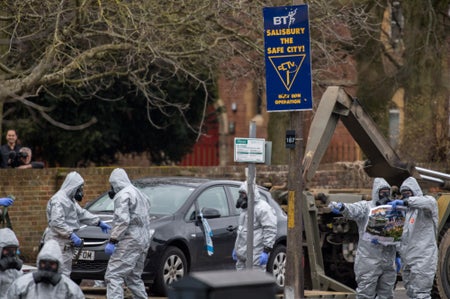
What We Know about Novichok, the "Newby" Nerve Agent Linked to Russia
The Soviet-designed chemical is the nerve agent responsible for poisoning a former spy and his daughter, according to British Prime Minister Theresa May