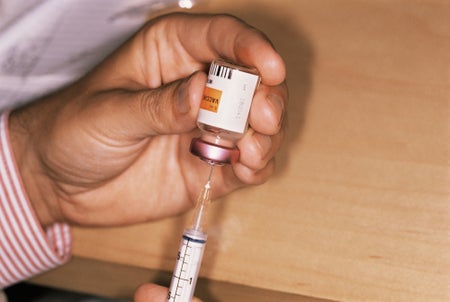
Homeopathic Medicine Labels Now Must State Products Do Not Work
U.S. trade agency requires products say there is no scientific evidence for effectiveness

Homeopathic Medicine Labels Now Must State Products Do Not Work
U.S. trade agency requires products say there is no scientific evidence for effectiveness

Will Salt Water Quench the World’s Thirst?
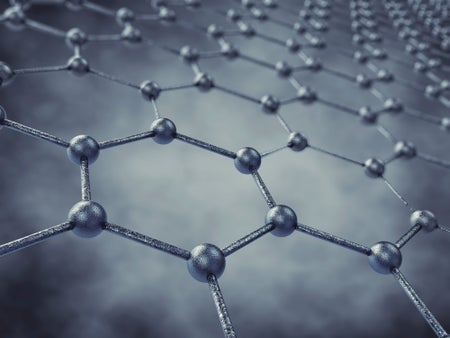
Fresh water shortages are likely to plague two-thirds of the world's population in the next decade and processes like desalination are still very costly. Luckily, a new material called graphene may be able to help


Living Cells Bind Silicon and Carbon for the First Time
A modified bacterial enzyme is taught to make bonds that evolution avoids

Cook the Perfect Turkey with Chemistry
Don’t settle for limp, soggy turkey skin—use science when you roast your bird to get that perfect, crackling bite.

Pass the Cranberry...Volcano!
A berry exciting science project

“Nanocars” Gear Up for World’s Most Amazing Molecular Race
Tiny molecular machines will chase around a gold track in a 38-hour sprint

Edible Insects Have More Iron Than Sirloin Beef
Beetles, eaten in several parts of the world, amply supply this essential nutrient to a meat-poor diet

Plastic Garbage Chemical Attracts Hungry Seabirds
One substance in ocean debris smells like food, and the mistake leads to poisoning and malnutrition

Exploring Enzymes
A catalyzing science project

Poison Ivy’s Itch Can Be Calmed by a Protein
Blocking an immune system protein, interleukin-33, squelches itch signaling in mice

Spinach Works as a Hidden Bomb Detector
Plants soak up explosive chemical traces from soil, then special sensors in leaves light up

Salt: Historical Notes from Scientific American