
CultureSeptember 14, 2016
Oldest Known Indigo Dye Found in Peru
Fabric dyed with indigo just found in Peru is some 1,600 years older than indigo-dyed fabrics that have been found in the Middle East.
Oldest Known Indigo Dye Found in Peru
Fabric dyed with indigo just found in Peru is some 1,600 years older than indigo-dyed fabrics that have been found in the Middle East.
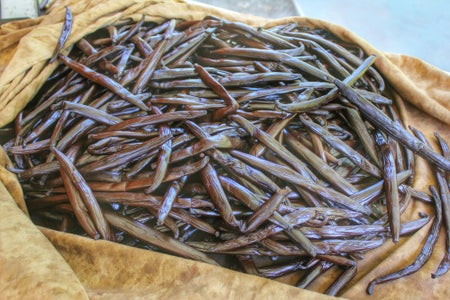
The Problem with Vanilla
After vowing to go natural, food brands face a shortage of the favored flavor


Chemicals Linked to Health Hazards Are Common in Household Dust
Two studies highlight overlooked ways that we are being exposed to indoor and outdoor pollution

Ale Genomics: How Humans Tamed Beer Yeast
Sequences of nearly 200 beer-making strains reveal yeast in action

Chemistry Could Save Billions of Baby Male Chickens
Non-egg-layers are killed after they are born. A new technique detects sex in 3-day-old embryos, which can be dispatched before they feel pain

New Catalyst Could Split Water Cheaply
The goal: Inexpensive hydrogen for fuel cells that power cars and homes

U.S. Bans Common Chemicals in Antibacterial Soaps
Although there is no conclusive evidence of danger to humans, antibacterials’ benefits have not been proved to exceed potential risks

New Material Makes Coolest Clothing Around
Even cotton traps the skin's infrared radiation, making you sweat, but a new nanoporous fabric lets it out

The Scientific Secret of Stretchy Dough
A science activity for bakers, from Science Buddies

Astrochemists Detect Chiral Molecules in Interstellar Space for the First Time
Could mirror molecules in space help explain why life prefers molecules with a single-handedness?

Color-Changing Skin Aids Climate Control and Communication
Bearded dragons modify their colors for camouflage or to maintain body temperature, or to communicate with other dragons. Jason G. Goldman reports.

Diapers: What Keeps Babies and Astronauts from Springing a Leak?
A swell project