
ChemistryAugust 24, 2016
Can Hungry Fungi Recycle Lithium Batteries?
Microbes produce organic acids that may help leach out valuable metals
Can Hungry Fungi Recycle Lithium Batteries?
Microbes produce organic acids that may help leach out valuable metals

A Green Solution to Improve Indoor Air Quality
In 12 hours Dracaena plants removed nearly all the acetone from an airtight chamber, suggesting they might be put to use as air filters in nail salons. Christopher Intagliata reports.

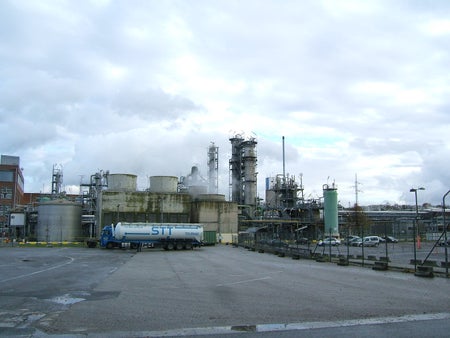
New Membrane Could Save $2 Billion a Year for U.S. Industries
The synthetic membrane from ExxonMobile would also avert 45 million tons of carbon dioxide emissions
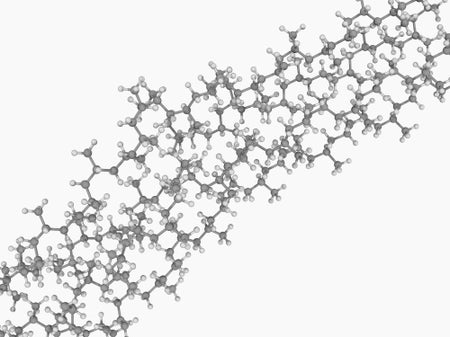
The Plastics Revolution: How Chemists Are Pushing Polymers to New Limits
Polymers have infiltrated almost every aspect of modern life. Now researchers are working on next-generation forms

Big Bang of Body Types: Sports Science at the Olympics and beyond
David Epstein talks about his 2013 bestseller The Sports Gene: Inside the Science of Extraordinary Athletic Performance and his recent Scientific American article "Magic Blood and Carbon-Fiber Legs at the Brave New Olympics."
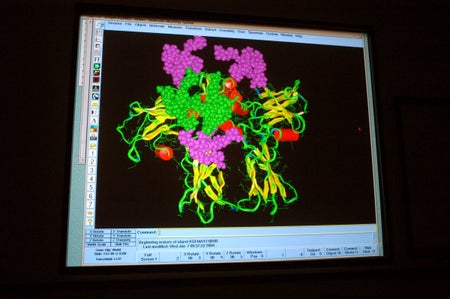
Molecular Origami: Protein Engineering Emerges to Fight Disease
Creating molecules that do not exist in nature could give drug design a boost
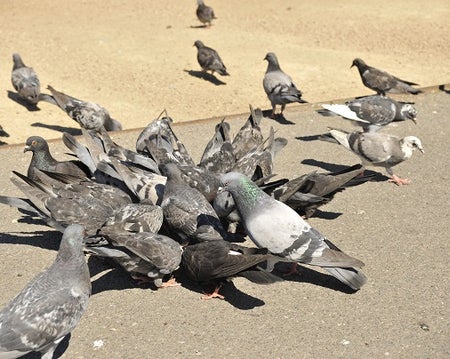
Pigeon Pb Proxies Could Cut Kids' Blood Tests
In neighborhoods where kids have an increased chance of exposure to toxic lead, pigeons also have higher blood lead levels—making the birds potential proxies for risk assessment.

Magic Blood and Carbon-Fiber Legs at the Brave New Olympics
With technology and pharmaceuticals dominating our reality, how do we define “natural” human effort in sports? The author of bestseller The Sports Gene weighs in

Water-Wise: Keep Soil Wet without Waste
A gardening project from Science Buddies

Chemistry Pioneer Ahmed Zewail Dies
The scientist won a Nobel Prize for using ultrafast lasers to reveal chemical reactions

The Chemistry of Bumper Crops [Excerpt]
Irrigation is more than just throwing water on a field—it can be a nuanced chemical conversation between humans and plants
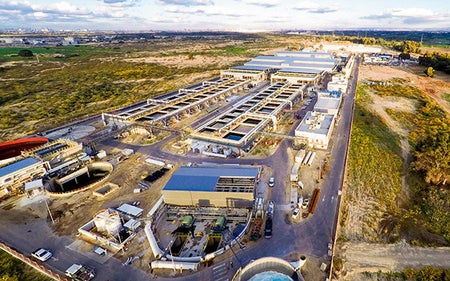
Israel Proves the Desalination Era Is Here
One of the driest countries on Earth now makes more freshwater than it needs